
Singapore’s photonics ambitions are entering their industrial test. AMF’s integration into GlobalFoundries and a new packaging agreement create routes to scale—but lasting influence will depend on reliable production, customer adoption and the expertise Singapore retains.
Industry
Asia’s global role, with manufacturing systems and production networks shaping supply chains worldwide.
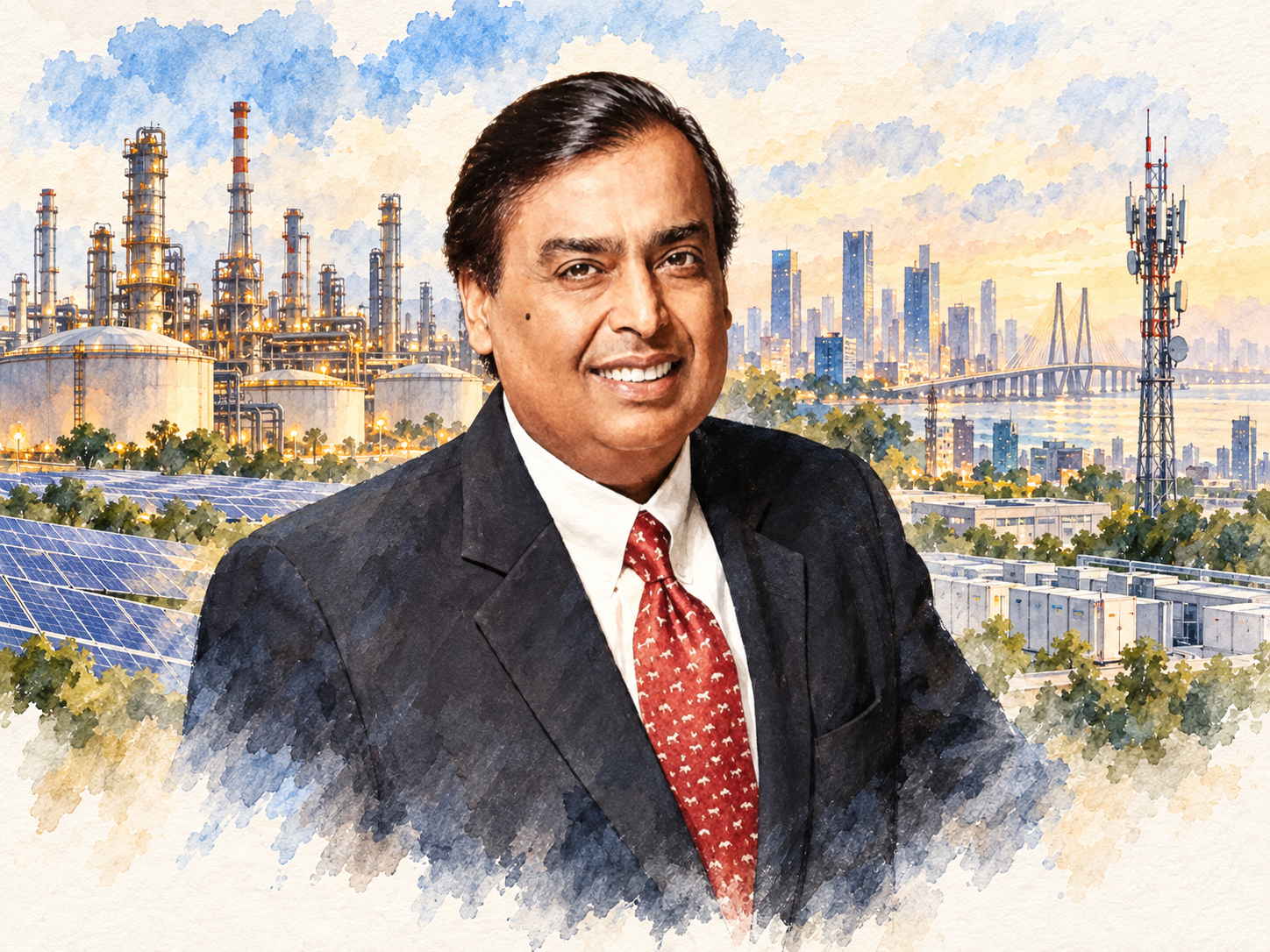
Mukesh Ambani’s real power lies not only in the size of Reliance, but in how he uses its balance sheet. Profits from mature businesses can finance new industries long before public markets are ready to price them.

Macau is far more than a casino economy. Centuries of encounter between Chinese society and Portuguese institutions created a distinctive culture whose architecture, food, language and traditions still shape this small territory at the edge of southern China.
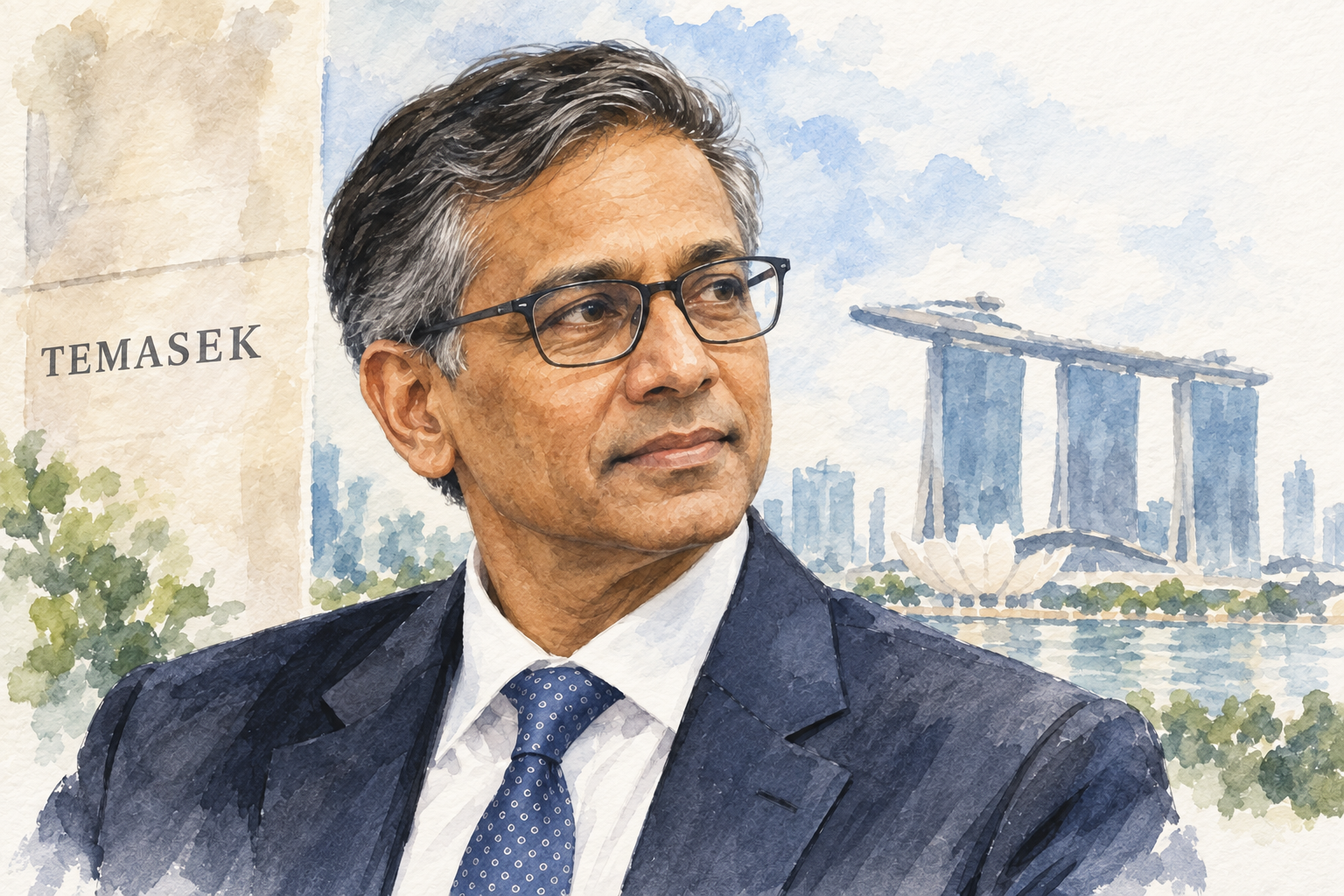
Temasek is state-owned, but it is not a ministry. Through Dilhan Pillay, Altair Media examines how Singapore combines public ownership, commercial discipline and patient capital to invest across AI, infrastructure, energy and long-term economic transitions.

Japan does not lack capital. Its challenge is making that capital move. Through Hiromi Yamaji and the Tokyo Stock Exchange, Altair Media examines how governance reform, higher interest rates and changing corporate behaviour are reshaping the way Japanese capital is allocated.

AI is pushing semiconductor manufacturing in two directions at once: transistors are shrinking, while the infrastructure needed to produce advanced chips is becoming larger, more complex and increasingly dependent on coordination across Europe and East Asia.
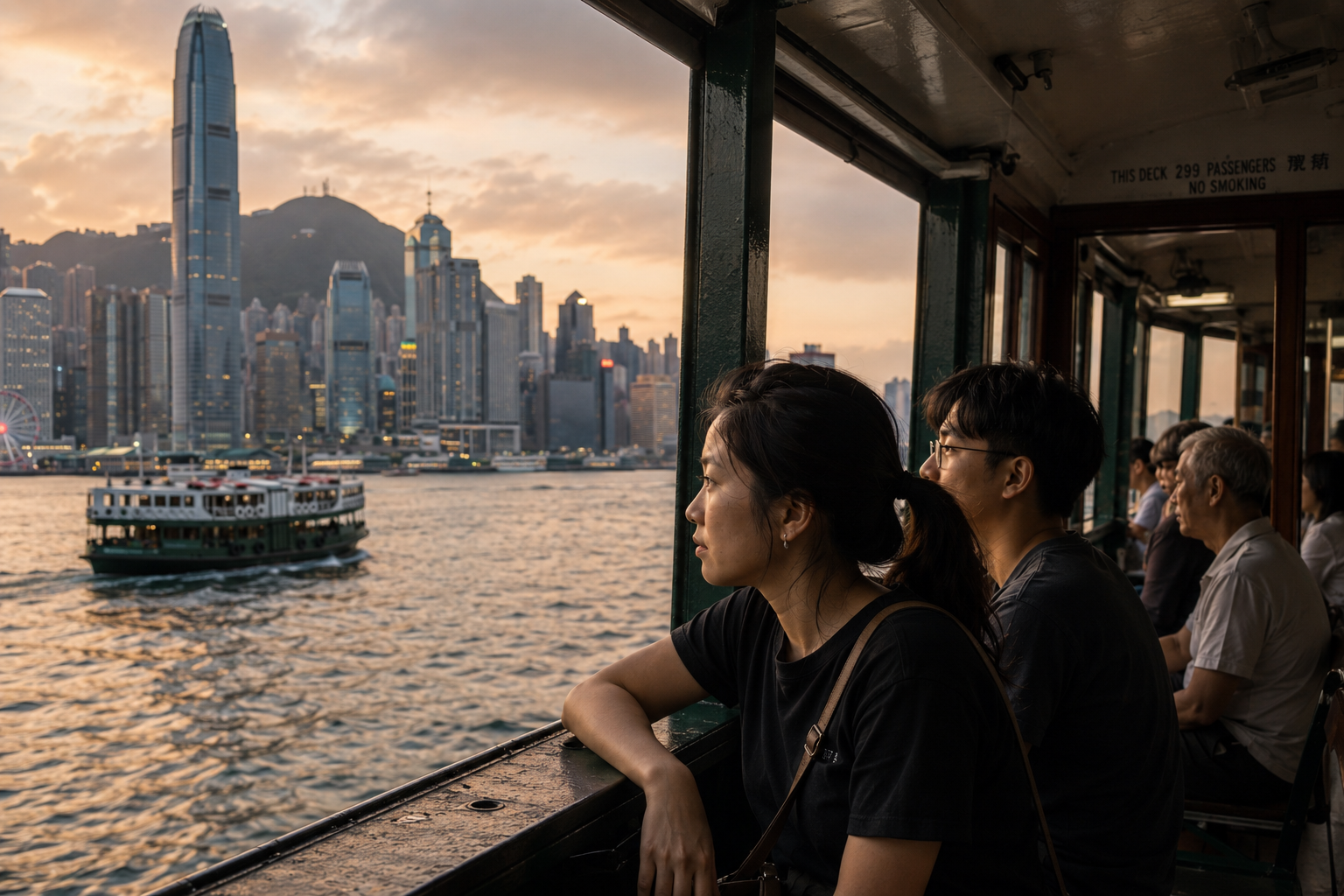
Hong Kong was built through movement and connection. Migration, Cantonese culture, colonial institutions, manufacturing, finance and extraordinary urban density created a society between worlds—one whose future now depends on redefining what it connects.

For decades, Indonesia exported raw materials while much of the economic value was created elsewhere. Today, the country is pursuing a different strategy: transforming natural resources into industrial ecosystems that strengthen long-term competitiveness and reshape its position in global supply chains.
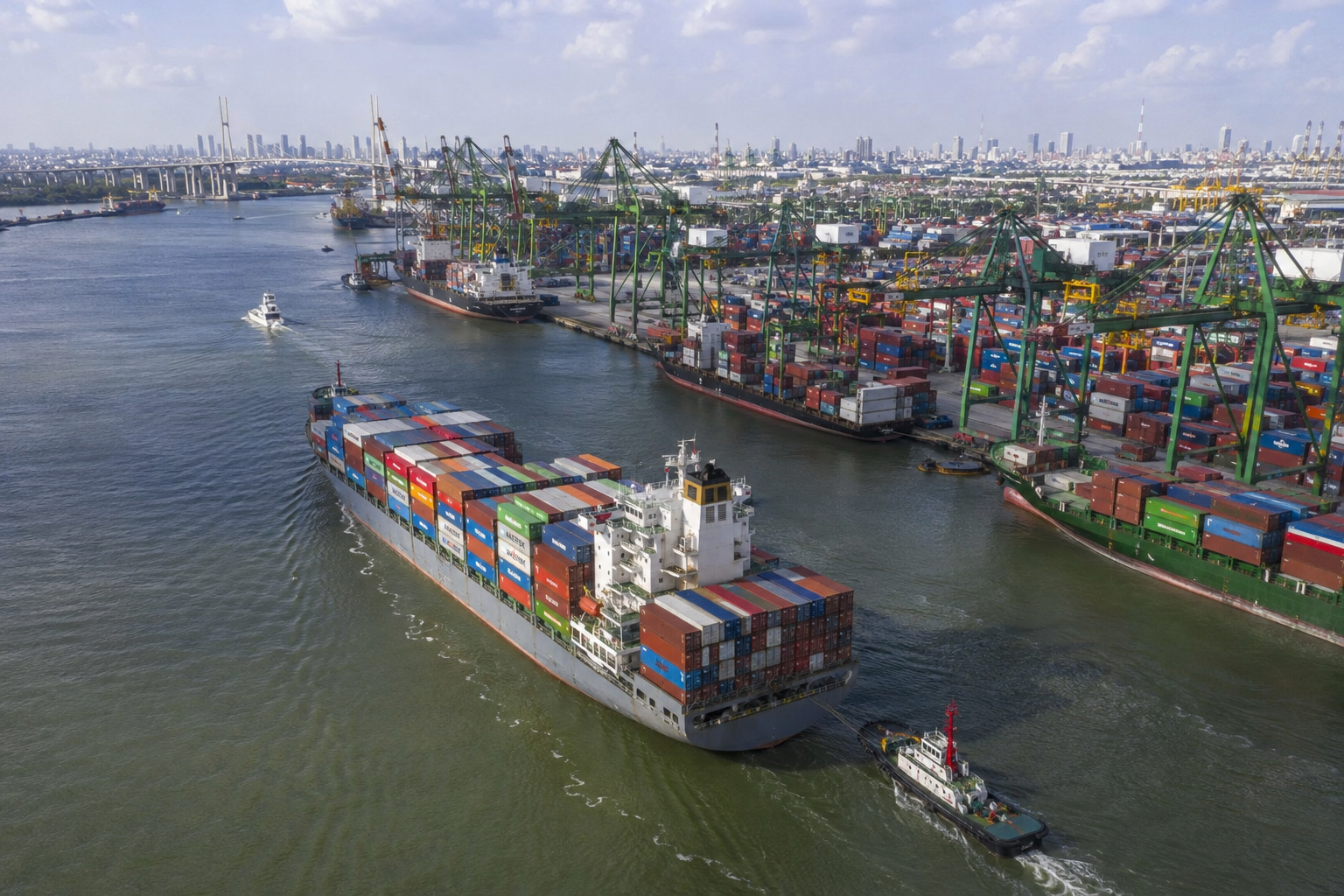
Asia does not feed the world through sheer agricultural volume alone. Its real power lies in concentrated food flows — from rice and palm oil to aquaculture, coffee and spices — that global markets cannot easily replace.
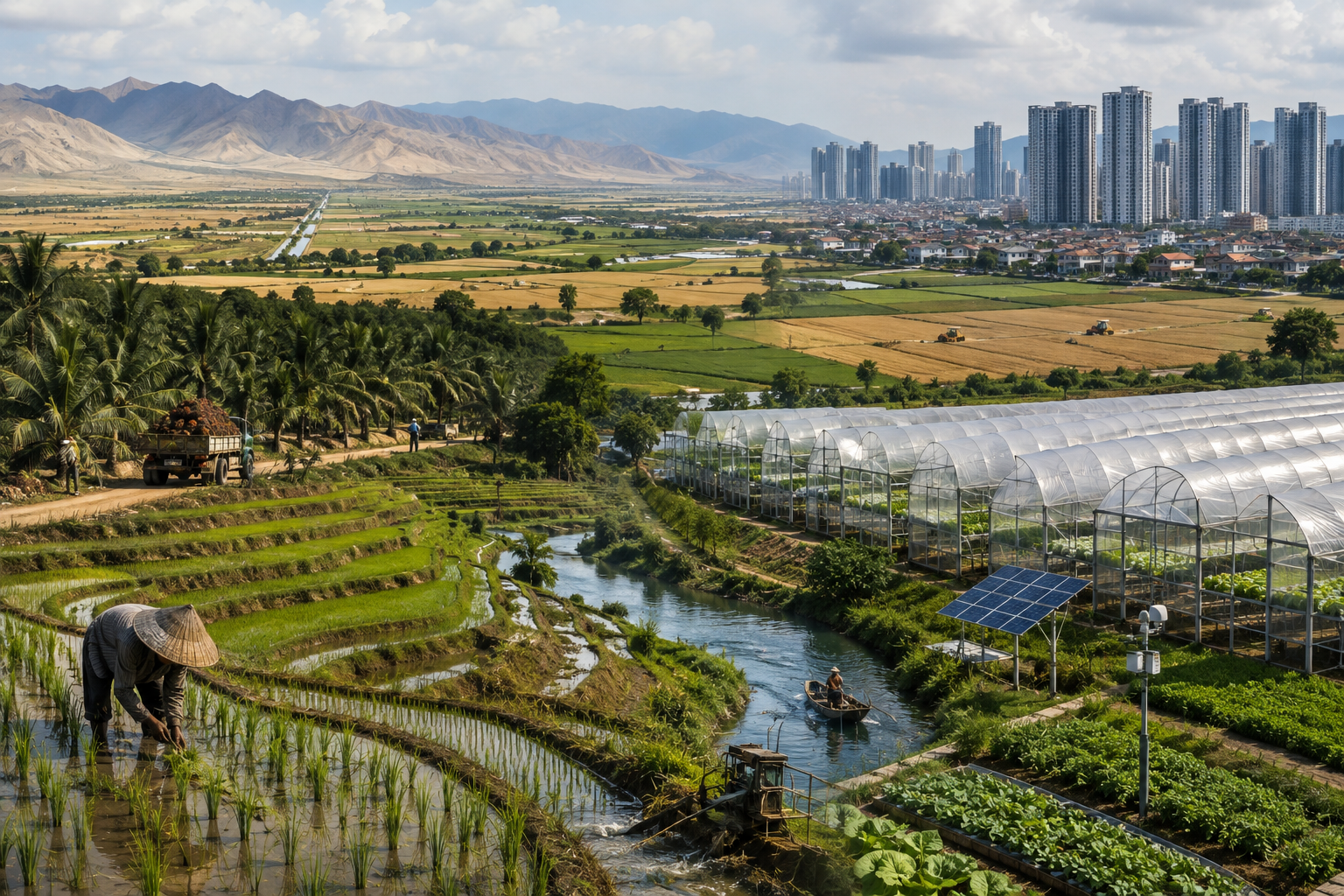
Beyond Asia’s megacities lies an immense agricultural landscape shaped by rice terraces, grain fields, plantations, irrigation and increasingly engineered farming. Understanding this geography reveals the physical system beneath Asia’s extraordinary economic and technological transformation.

In Kuala Lumpur, shopping malls have evolved beyond retail. Shaped by climate, mobility and urban density, they increasingly function as places where people meet, work and spend time—raising a broader question about how cities organise public life in the twenty-first century.

Samsung Electro-Mechanics rarely appears in headlines, yet its microscopic components power the world’s most advanced technologies. From AI servers and electric vehicles to smartphones and robotics, the company demonstrates that modern innovation increasingly depends on invisible engineering rather than visible products.
