
Semiconductors have become the fault line of modern geopolitics. The United States and China are investing aggressively in domestic chip production, treating semiconductors not as consumer goods but as strategic infrastructure. Europe, by contrast, spent decades optimising research while outsourcing large-scale manufacturing — until recent crises exposed how fragile that model had become.
Strategy
Strategic thinking guides how states and institutions navigate long-term geopolitical change in Asia.

As Indonesia approaches the centenary of its independence in 2045, the nation finds itself at a pivotal crossroads. The Golden Indonesia 2045 Vision (Visi Indonesia Emas 2045), launched by President Joko Widodo in 2019, charts an ambitious course to transform the country into one of the world’s top five economies—sovereign, technologically advanced, equitable and sustainable.

Innovation in Asia is too often reduced to scale, speed and state power. Yet some of the most consequential debates about technology today are not being driven by corporations or governments alone, but by individuals who understand how innovation intersects with democracy, geopolitics and human dignity.

As the new working year begins, conversations across boardrooms and timelines will once again be dominated by artificial intelligence, automation and the next wave of digital disruption. These themes matter. Yet beneath the noise of software updates and AI agents, a far more physical reality is unfolding — one that may shape Europe’s future just as profoundly.

The Middle East is emerging as one of the most advanced regions in telecommunications. While many countries are still expanding their fifth generation coverage, Gulf nations such as the United Arab Emirates, Saudi Arabia.and Qatar are already testing fifth generation Advanced networks and preparing for the sixth generation. These networks are not merely faster internet—they are the foundation for smarter cities, more efficient industries and more connected lives.
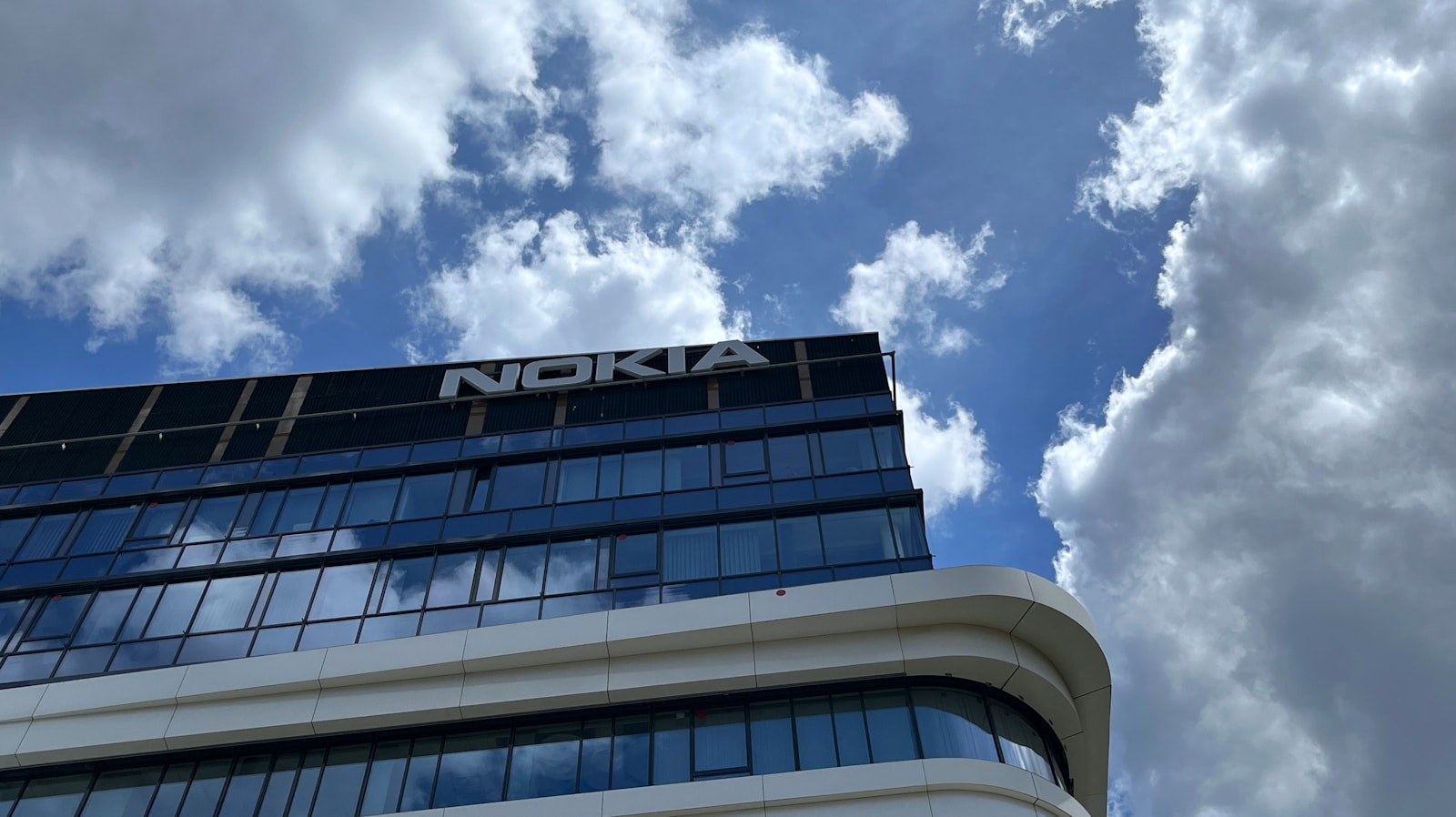
The quiet transition of Niranth Amogh from Huawei to Nokia may appear, at first glance, as an individual career decision within the global telecom industry. In reality, it signals a deeper geopolitical realignment taking shape inside the architecture of 6G. As standards become instruments of power rather than technical coordination, the Asia-Pacific region has emerged as the decisive battleground where influence is exercised not through markets or mandates, but through the control of protocols, procedures and technical language.
