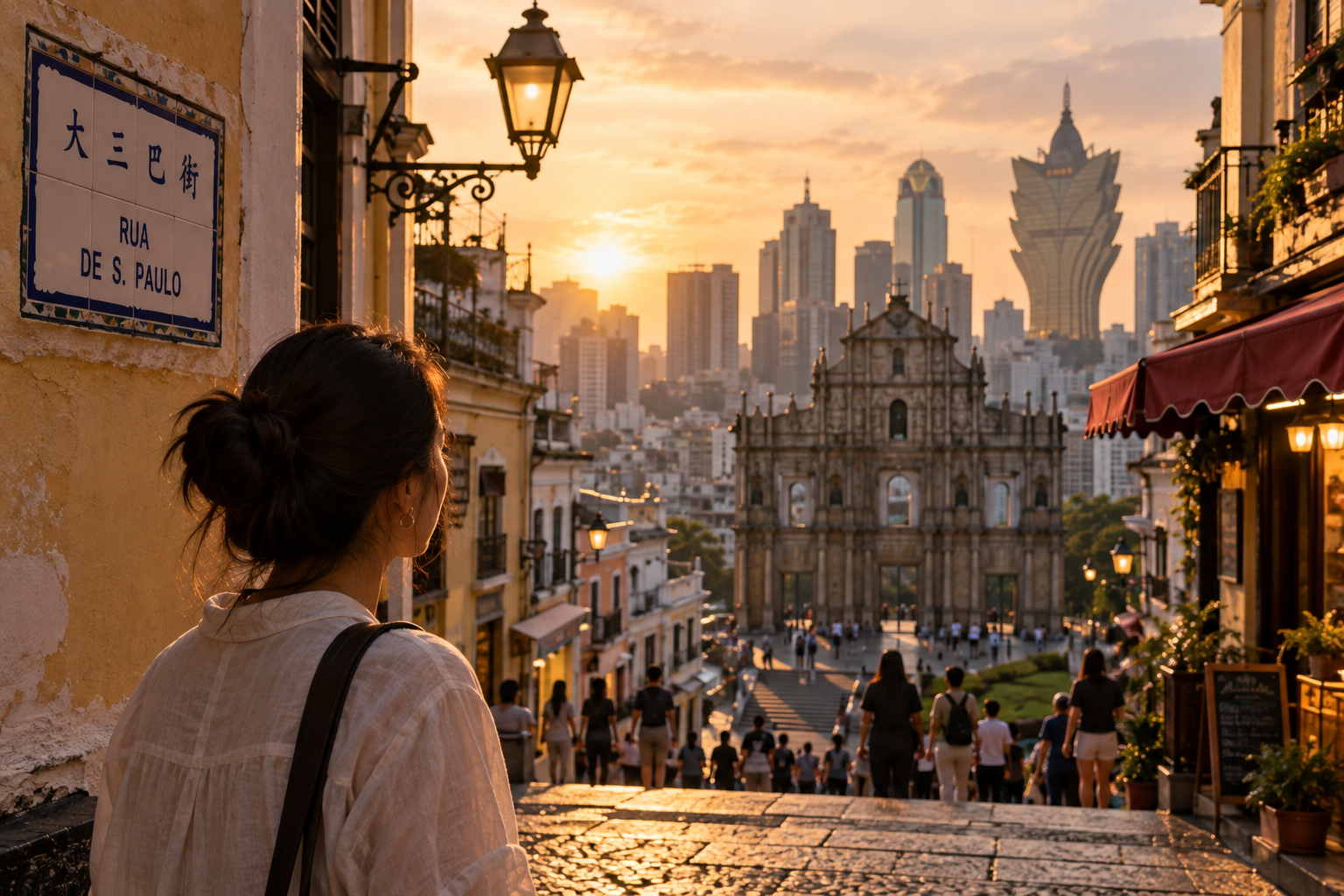
Macau is far more than a casino economy. Centuries of encounter between Chinese society and Portuguese institutions created a distinctive culture whose architecture, food, language and traditions still shape this small territory at the edge of southern China.
Cities
Cities drive economic activity and social transformation across Asia’s rapidly expanding urban landscapes.

In Kuala Lumpur, shopping malls have evolved beyond retail. Shaped by climate, mobility and urban density, they increasingly function as places where people meet, work and spend time—raising a broader question about how cities organise public life in the twenty-first century.
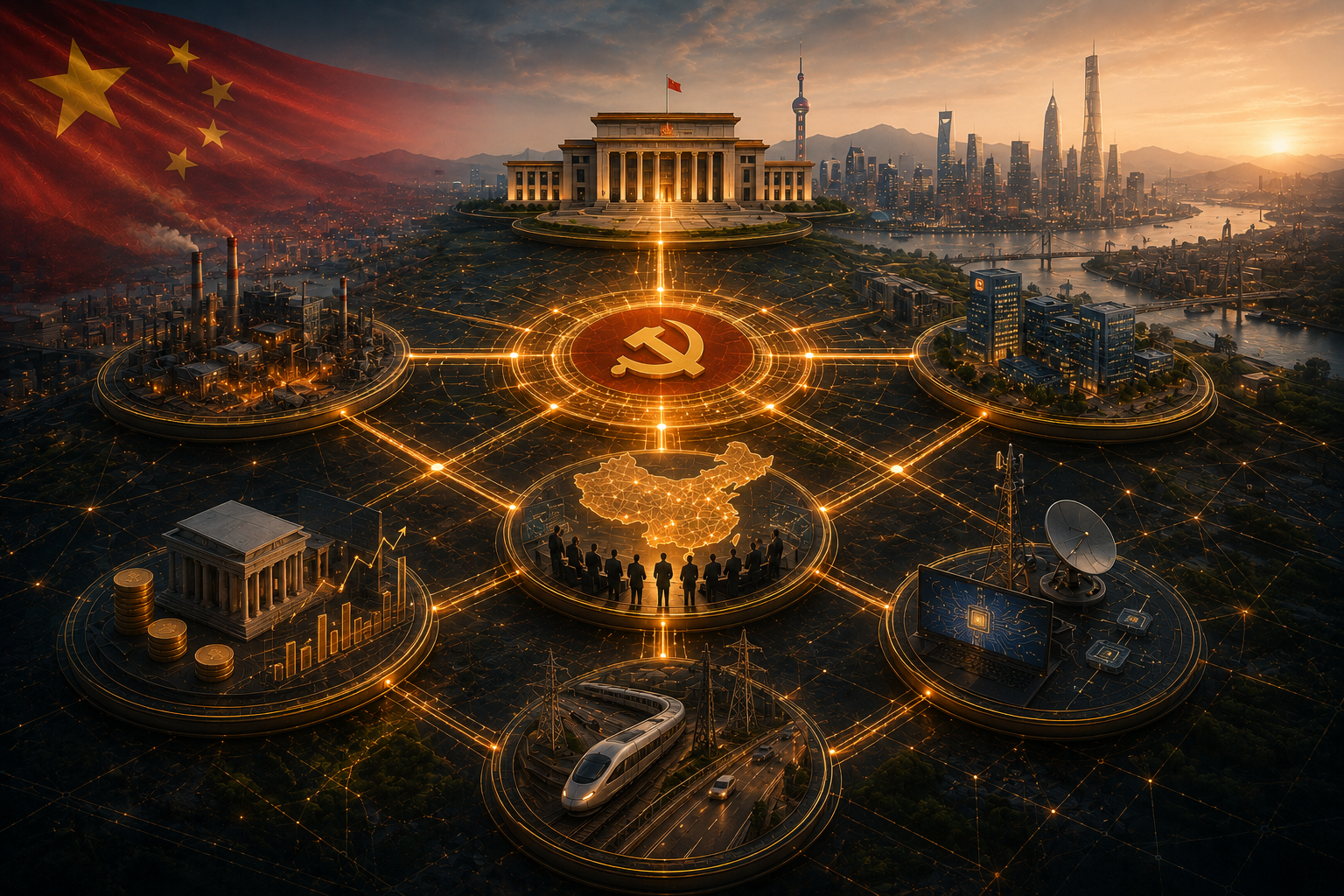
Many observers focus on China’s government or its companies. Yet understanding modern China requires examining the institution that connects them. The Communist Party functions not only as a political organisation, but also as a coordinating mechanism that links state institutions, economic development and long-term national priorities.

The air is thick with humidity and the smell of two-stroke engines. Scooters spill into intersections long before the light turns green. Street vendors push their kaki lima carts toward familiar corners, claiming the same few square meters they have occupied for years. A sudden rain darkens the asphalt. Nothing stops. Everything adapts.

For decades, artificial intelligence was defined by Silicon Valley: large models, venture capital, global hype. But the next phase of AI is different. The challenge is no longer invention alone—it is execution at scale, across diverse societies and infrastructures. Increasingly, the answer points to Bengaluru. Once India’s outsourcing hub, today it is where AI moves from laboratory experiments to operational systems with real-world impact.
