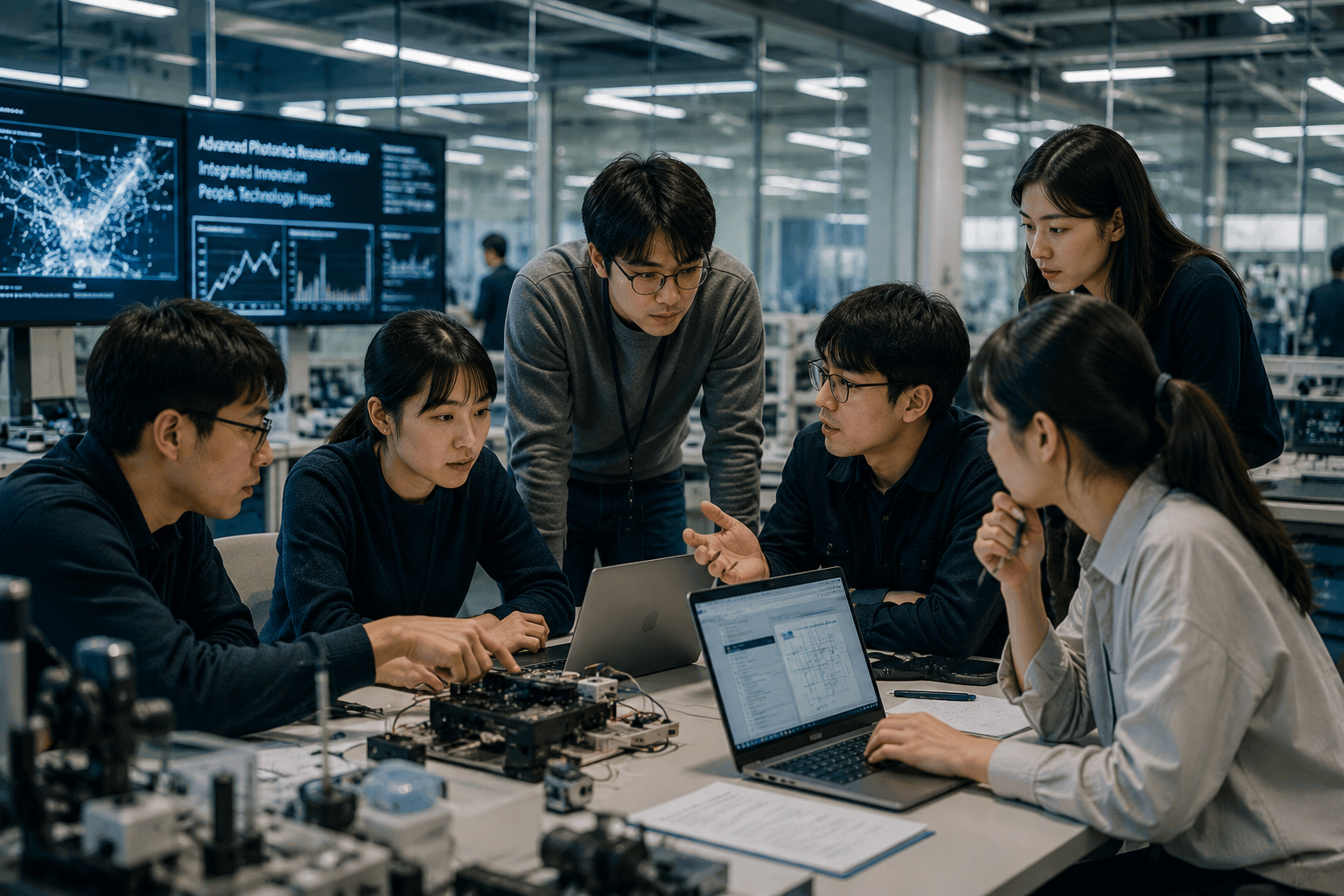
Across Asia, universities are increasingly becoming part of coordinated talent systems designed to support innovation, industrial capacity and national competitiveness. Education is evolving from a social institution into strategic infrastructure for generating the capabilities that shape future economic power.
Education
Education shapes human capital, innovation and social mobility across Asia’s rapidly changing societies.

For decades, education was one of China’s most reliable pathways to opportunity and upward mobility. Today, academic achievement remains highly valued, yet growing numbers of graduates are discovering that qualifications no longer provide the same certainty they once did. This essay explores the widening gap between educational success and confidence in the future.

A new global competition is emerging — not for capital, but for talent. As India, China and Singapore build distinct systems to deploy human capital, the future of economic power will be defined by which model proves most resilient.

Singapore has built a different model of technological power — not through scale, but precision. By treating talent as policy and the state as a platform, it has engineered a global knowledge hub designed for connectivity, control and long-term strategic advantage.

China’s technological rise is built on more than scale. At the center lies Tsinghua University — a state-aligned institution that integrates talent, research and industry into a single system designed to accelerate innovation and achieve technological sovereignty.

India’s technological rise is not accidental but built on a layered system of elite institutions. From the engineering pipelines of the Indian Institutes of Technology to deep-tech research and entrepreneurial scale, this is the hidden infrastructure behind the global talent economy.
