
Singapore’s photonics ambitions are entering their industrial test. AMF’s integration into GlobalFoundries and a new packaging agreement create routes to scale—but lasting influence will depend on reliable production, customer adoption and the expertise Singapore retains.
Technology
Technology drives innovation, productivity and global competitiveness across Asia’s rapidly evolving economies.
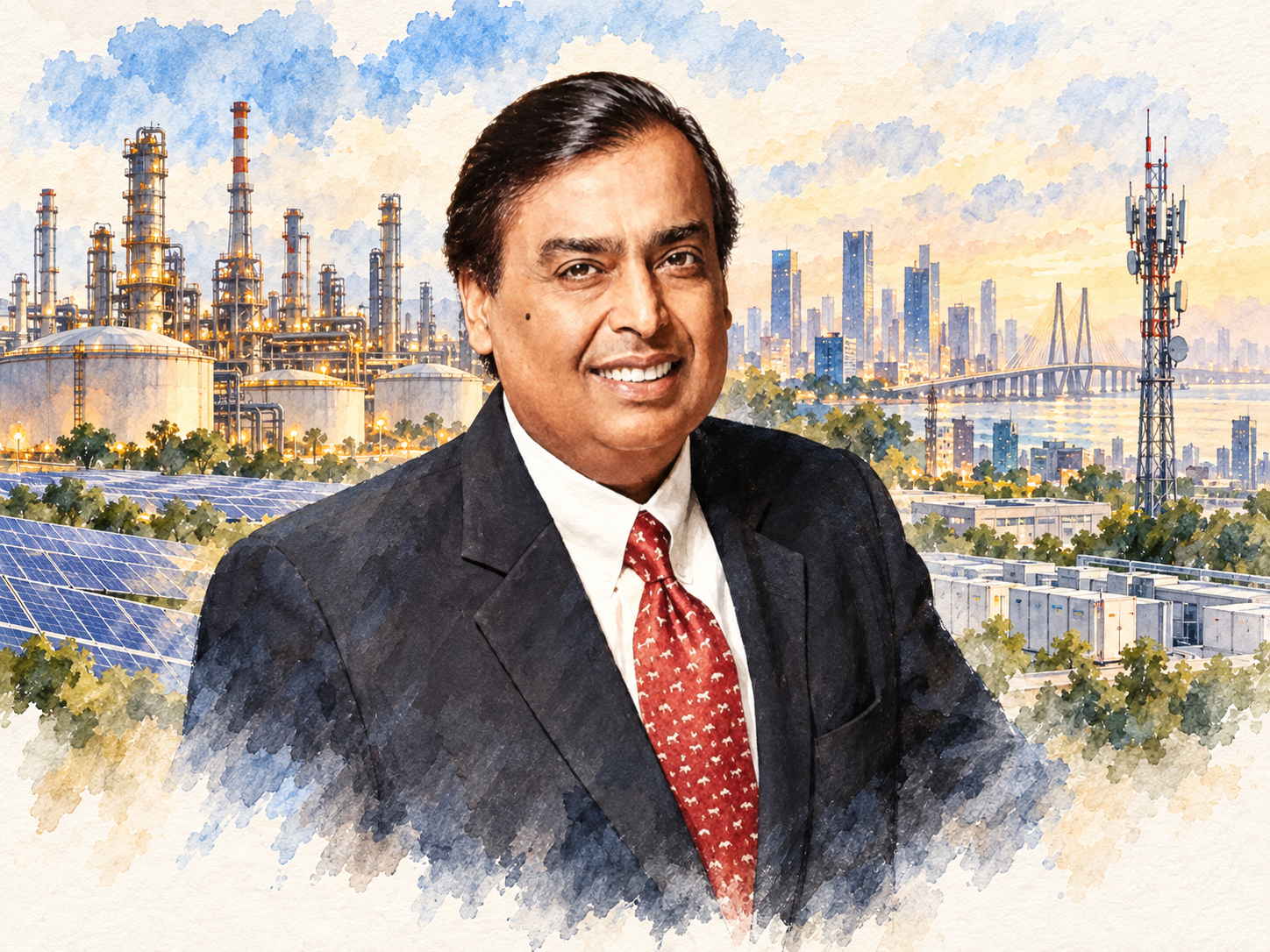
Mukesh Ambani’s real power lies not only in the size of Reliance, but in how he uses its balance sheet. Profits from mature businesses can finance new industries long before public markets are ready to price them.
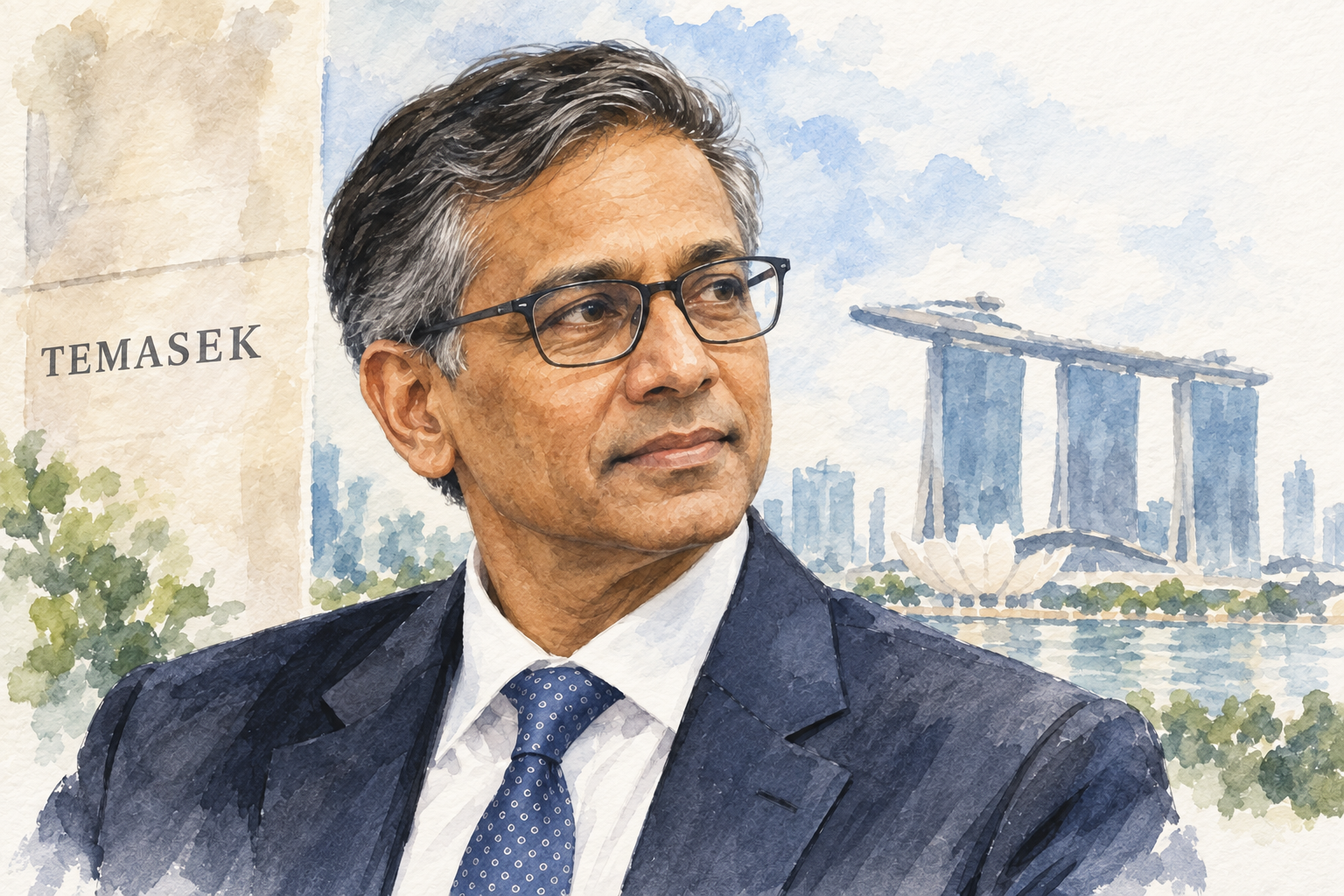
Temasek is state-owned, but it is not a ministry. Through Dilhan Pillay, Altair Media examines how Singapore combines public ownership, commercial discipline and patient capital to invest across AI, infrastructure, energy and long-term economic transitions.

AI is pushing semiconductor manufacturing in two directions at once: transistors are shrinking, while the infrastructure needed to produce advanced chips is becoming larger, more complex and increasingly dependent on coordination across Europe and East Asia.

Samsung Electro-Mechanics rarely appears in headlines, yet its microscopic components power the world’s most advanced technologies. From AI servers and electric vehicles to smartphones and robotics, the company demonstrates that modern innovation increasingly depends on invisible engineering rather than visible products.

Across Asia, governments are building increasingly digital states. As cloud infrastructure, AI and digital public services become part of national governance, Meridian Exchange 2026 explores how digital sovereignty is evolving into a question of resilience, trust and long-term state capacity.
