
Taiwan is more than semiconductors and geopolitics. Shaped by migration, colonial history, democratisation and technological ambition, the island has developed a distinctive society whose identity continues to evolve through the many historical layers it carries.
Demographics
Demographics shape Asia’s economic and social development through shifting population structures and generational change.

South Korea has invested billions to reverse one of the world’s lowest birth rates, yet demographic decline continues. This essay explores why the challenge extends beyond financial incentives and what it reveals about the limits of governance in modern societies.

Singapore’s evolving visa policies reveal a broader shift in Asia’s talent competition. What appears to be tighter migration rules may actually reflect a more selective strategy focused on attracting the skills needed to sustain long-term economic competitiveness.
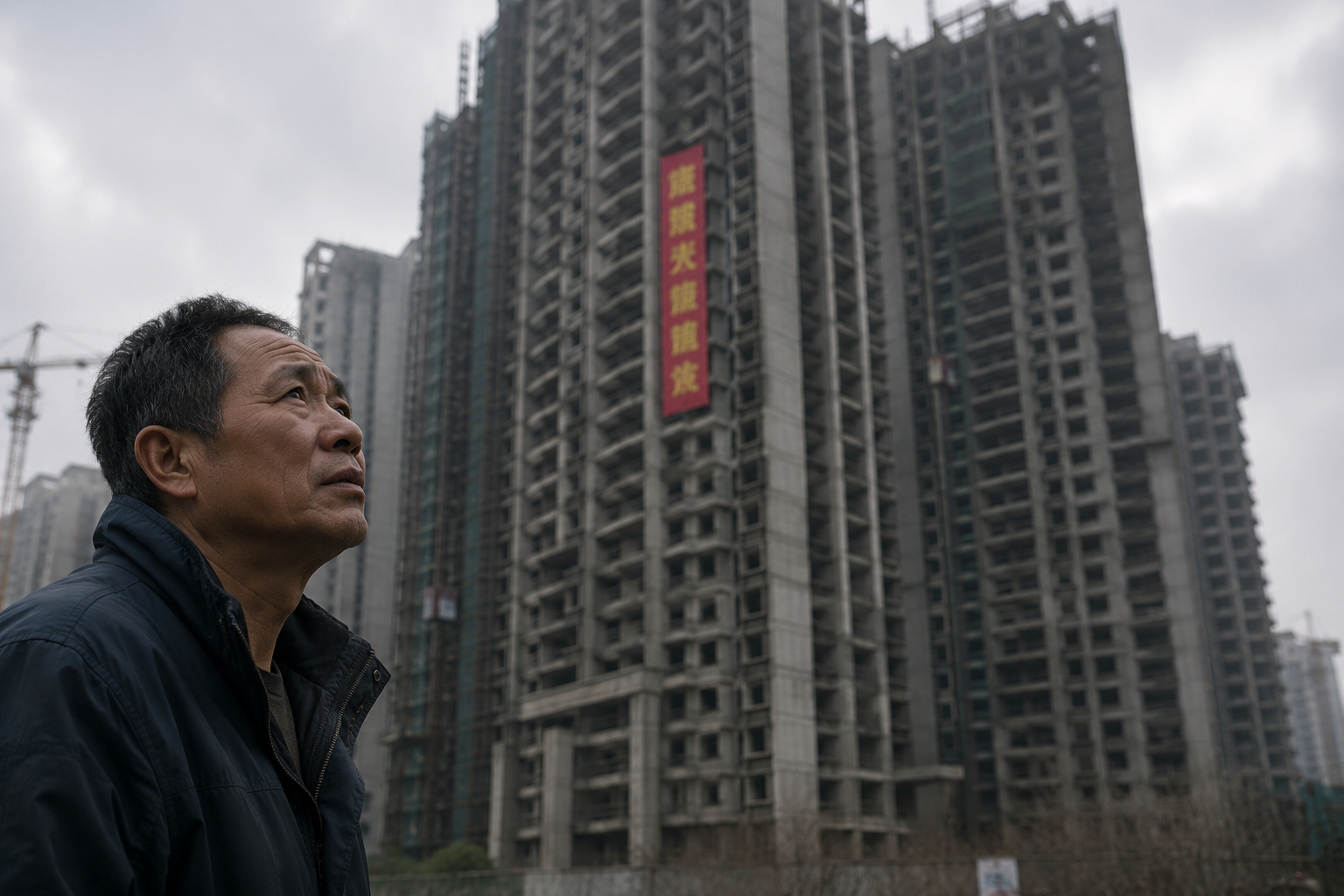
China’s economic slowdown is often discussed through statistics and growth forecasts. Yet behind the numbers lies a quieter reality: changing expectations, weakened confidence and a society learning to operate without the momentum that once seemed automatic.

India’s semiconductor ambitions are often described as a technology story. Increasingly, they look like something deeper: a shift from software to industrial capability, from talent to ecosystems, and from participation in global supply chains to becoming indispensable within them.

Japan is often portrayed as the world’s robotics leader. Yet behind the futuristic image lies a more practical reality. As demographic decline accelerates and labour shortages deepen, automation is becoming less a choice than a necessity — raising new questions about the future relationship between technology and human care.
