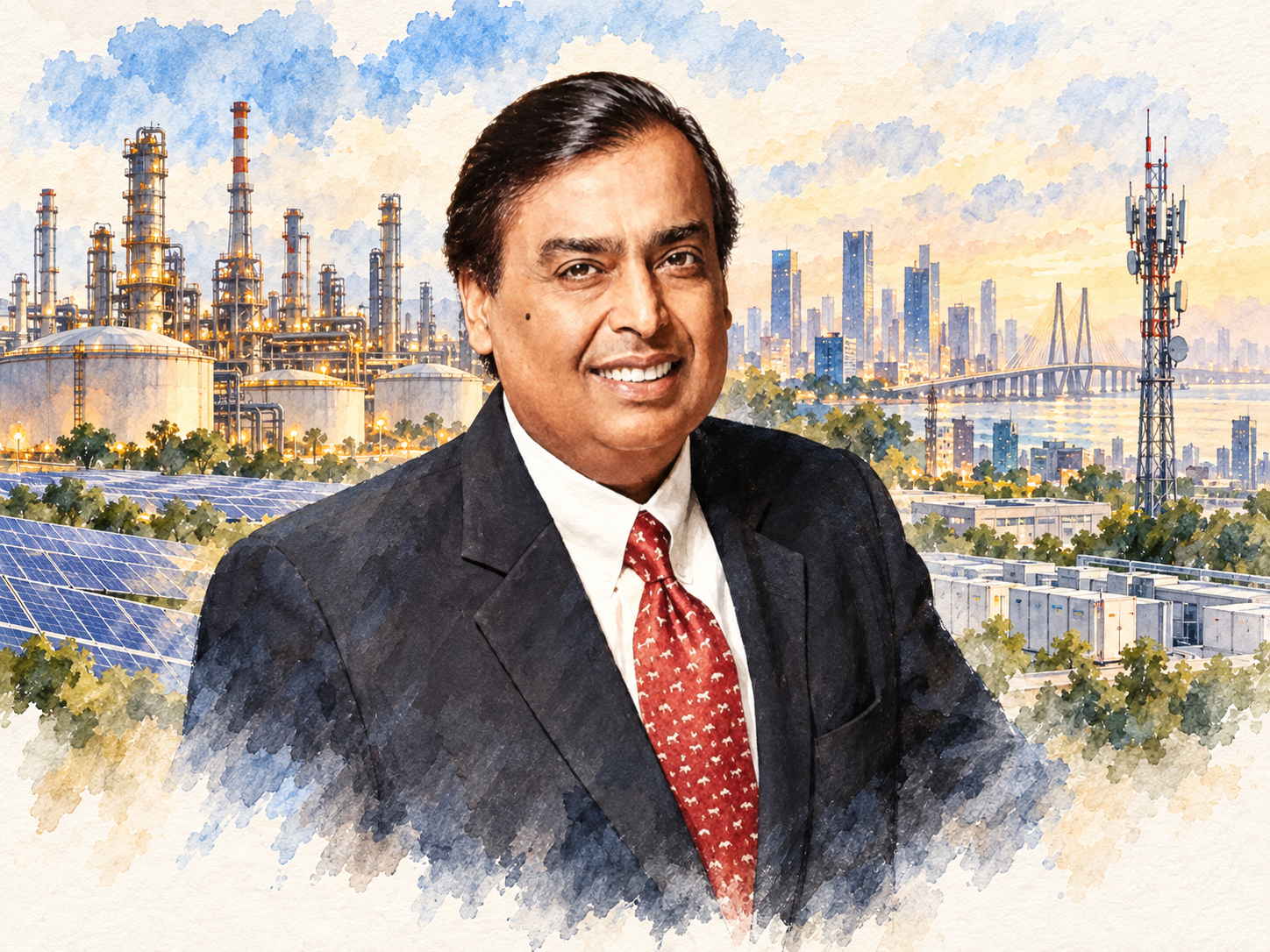
Mukesh Ambani’s real power lies not only in the size of Reliance, but in how he uses its balance sheet. Profits from mature businesses can finance new industries long before public markets are ready to price them.
Analysis
Research-driven articles and expert perspectives examining the deeper structures behind current events, with a focus on the strategic, economic and societal forces shaping Asia’s evolving role in the world.

Huawei’s 2025 results reveal not a comeback but a transformation: from global tech vendor to architect of a sovereign digital ecosystem. Under pressure from sanctions, it has built parallel systems in chips, AI, and mobility—reshaping the geopolitical technology order.

China is no longer trying to revive demand-driven growth. Instead, policy is shifting toward strategic industries that strengthen technological control and export capacity, signaling a deeper transition from cyclical stimulus to a production-focused economic model built for long-term resilience.

Diplomacy is being reshaped by code, data and digital infrastructure. Across Asia, states compete not only through negotiations, but by controlling the systems that define connectivity, influence and sovereignty in an increasingly fragmented technological order.

Minilateral alliances are reshaping the Indo-Pacific, offering speed and flexibility in an era of strategic rivalry. As traditional institutions struggle with consensus, smaller coalitions redefine how power, cooperation and security are organised across an increasingly fragmented global order.

Global supply chains are not collapsing but being rewired. As companies diversify production beyond China, a new manufacturing geography is emerging across Asia, linking Southeast Asia, India and East Asia into a more complex and resilient network of trade.
