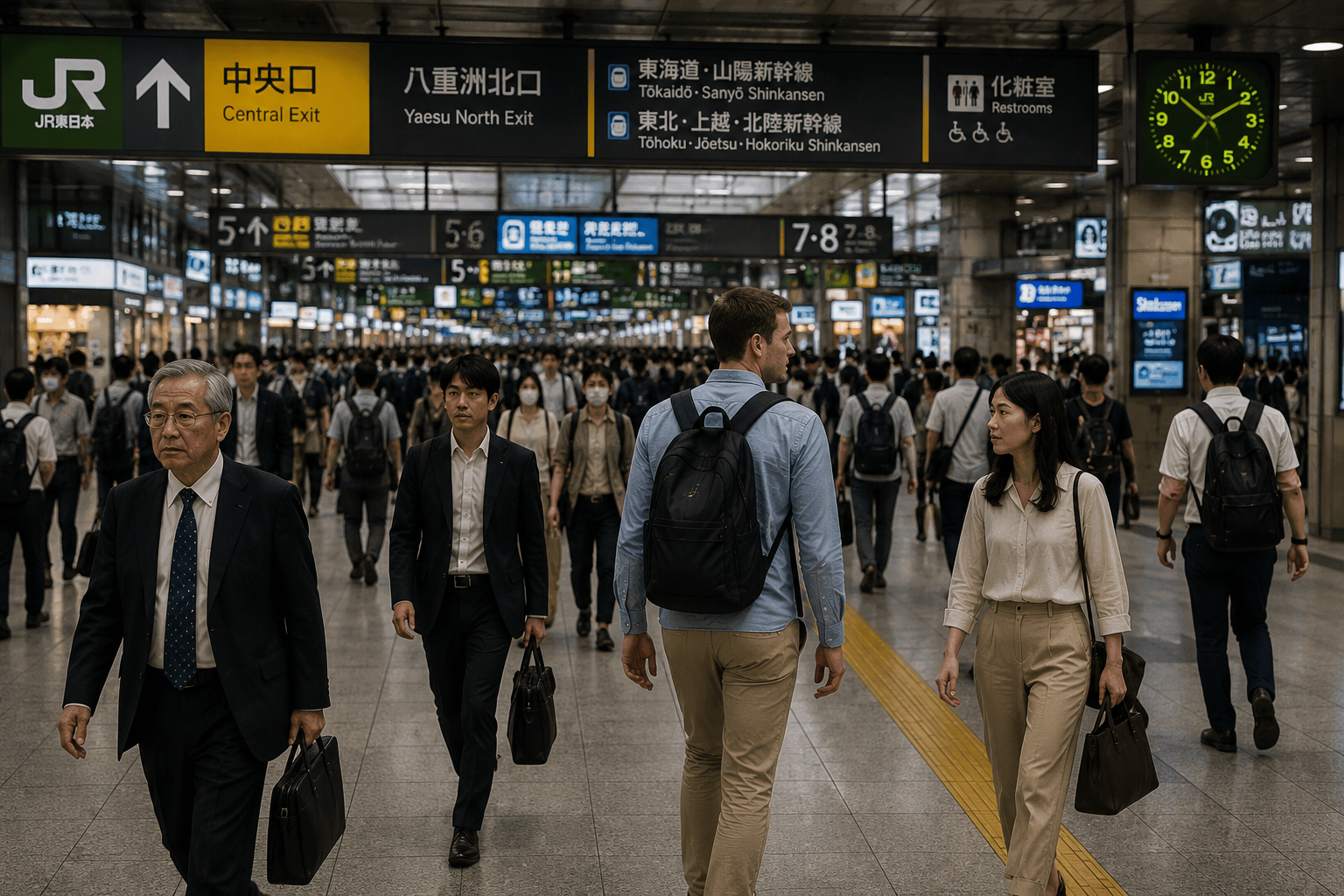
Japan is gradually expanding access to foreign labor, but not in the way many observers assume. Rather than embracing large-scale immigration, the country is developing a carefully managed strategy to adapt to demographic decline while preserving social continuity.
Migration
Migration influences labour markets, urban growth and cultural exchange across Asia’s evolving societies.
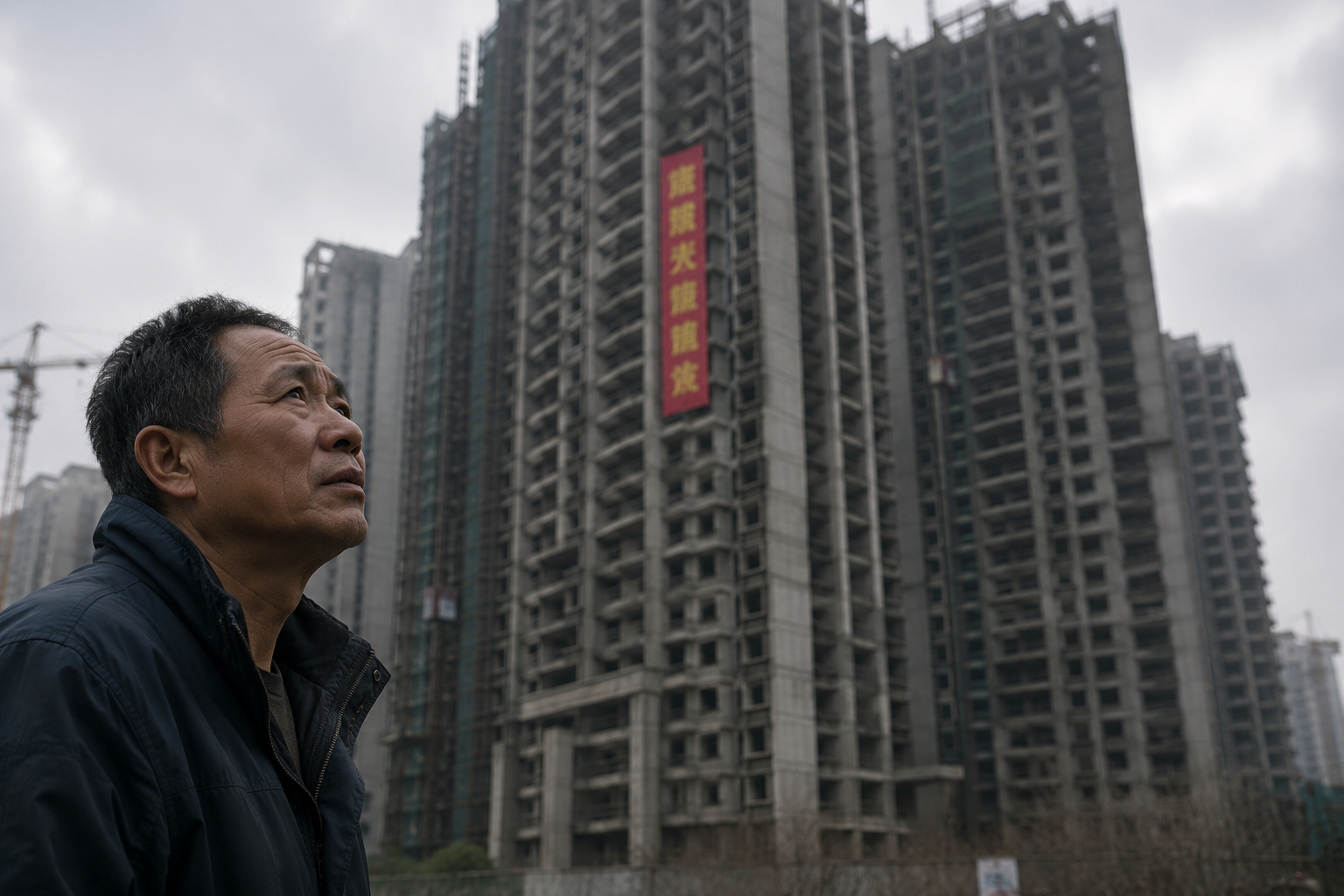
China’s economic slowdown is often discussed through statistics and growth forecasts. Yet behind the numbers lies a quieter reality: changing expectations, weakened confidence and a society learning to operate without the momentum that once seemed automatic.

The idea of brain drain no longer fully explains migration in Asia. Talent increasingly circulates across interconnected systems, reshaping how countries accumulate power, retain capability and compete for human capital in a region defined less by departure than by strategic mobility.

Asia’s talent is not disappearing but being redistributed across systems that can absorb it. As demographic pressures diverge, migration is shifting from one-directional outflow to a more structured, uneven allocation of human capital.
