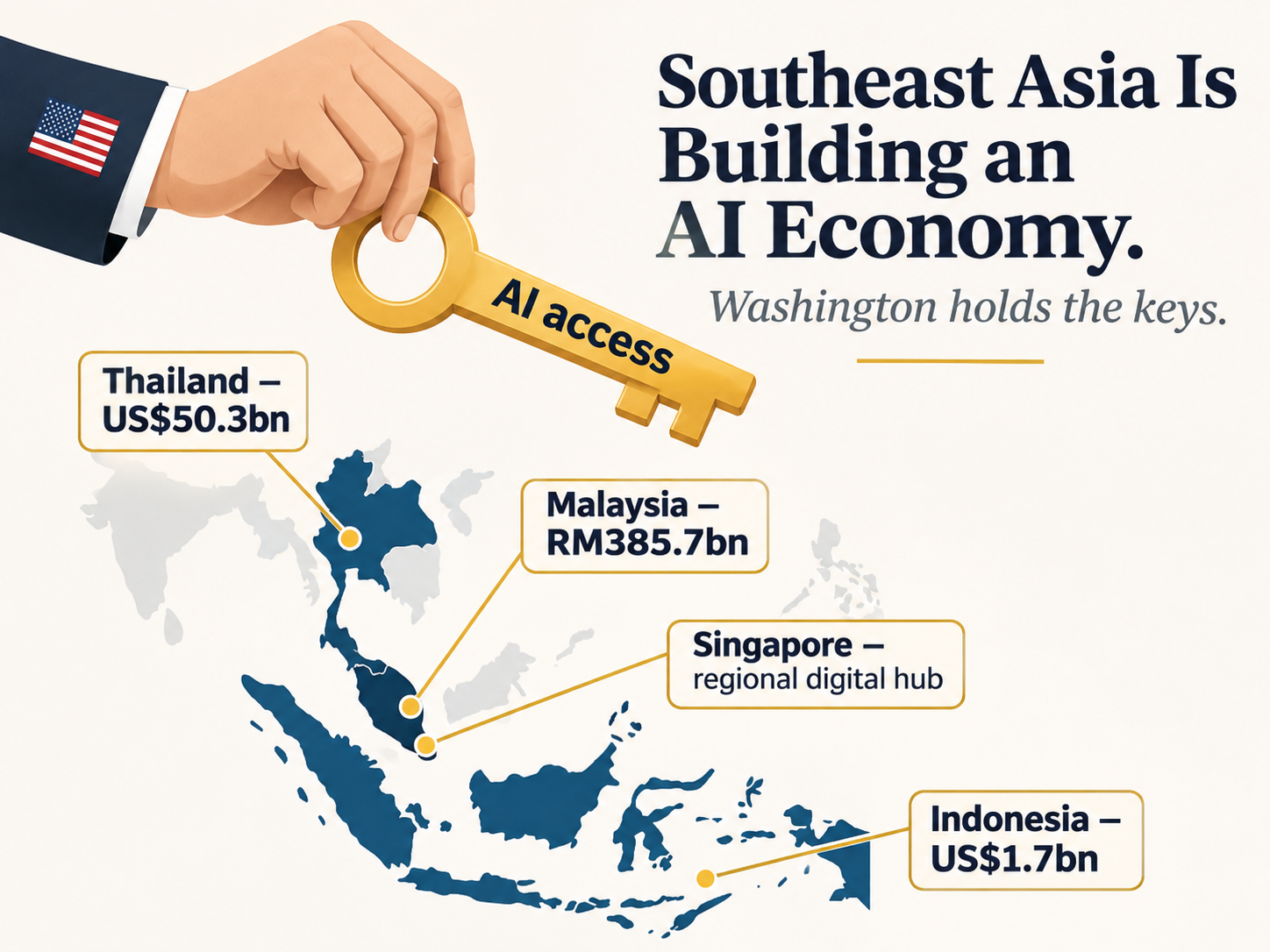
Southeast Asia is investing billions in its AI and digital infrastructure. But new US semiconductor export controls expose a strategic vulnerability: who ultimately controls access to the technology on which the region’s economic ambitions depend?
Industry
Asia’s global role, with manufacturing systems and production networks shaping supply chains worldwide.
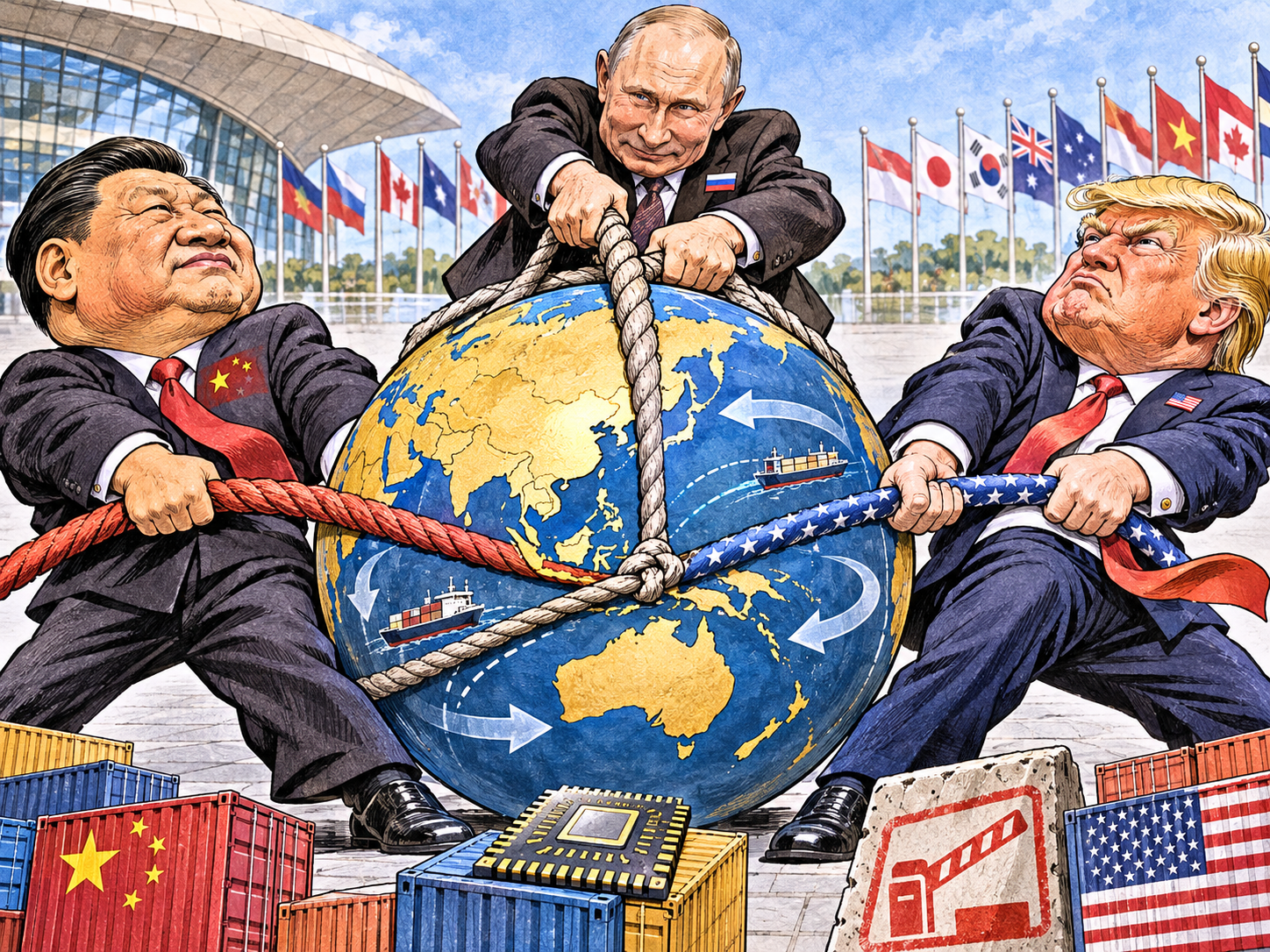
As world leaders gather in Shenzhen, the struggle for control over technology, trade and critical resources exposes a fundamental contradiction. Asia-Pacific economies depend on integration, yet Washington and Beijing increasingly determine the conditions under which others can participate. Can regional cooperation survive the politics of economic power?

TSMC and NVIDIA are bringing light and electronics closer together in the next generation of AI infrastructure. But as photonic technologies enter industrial production, who will capture the value? This Altair Signal examines Taiwan’s semiconductor ecosystem, the growing importance of optical components and the supply-chain dependencies shaping a new industrial frontier.

As Singapore and Malaysia expand their AI cloud capacity, the Megaspeed investigation puts cross-border GPU rental under scrutiny. When computing time is resold, who verifies the end user and who bears the loss if access is suspended?
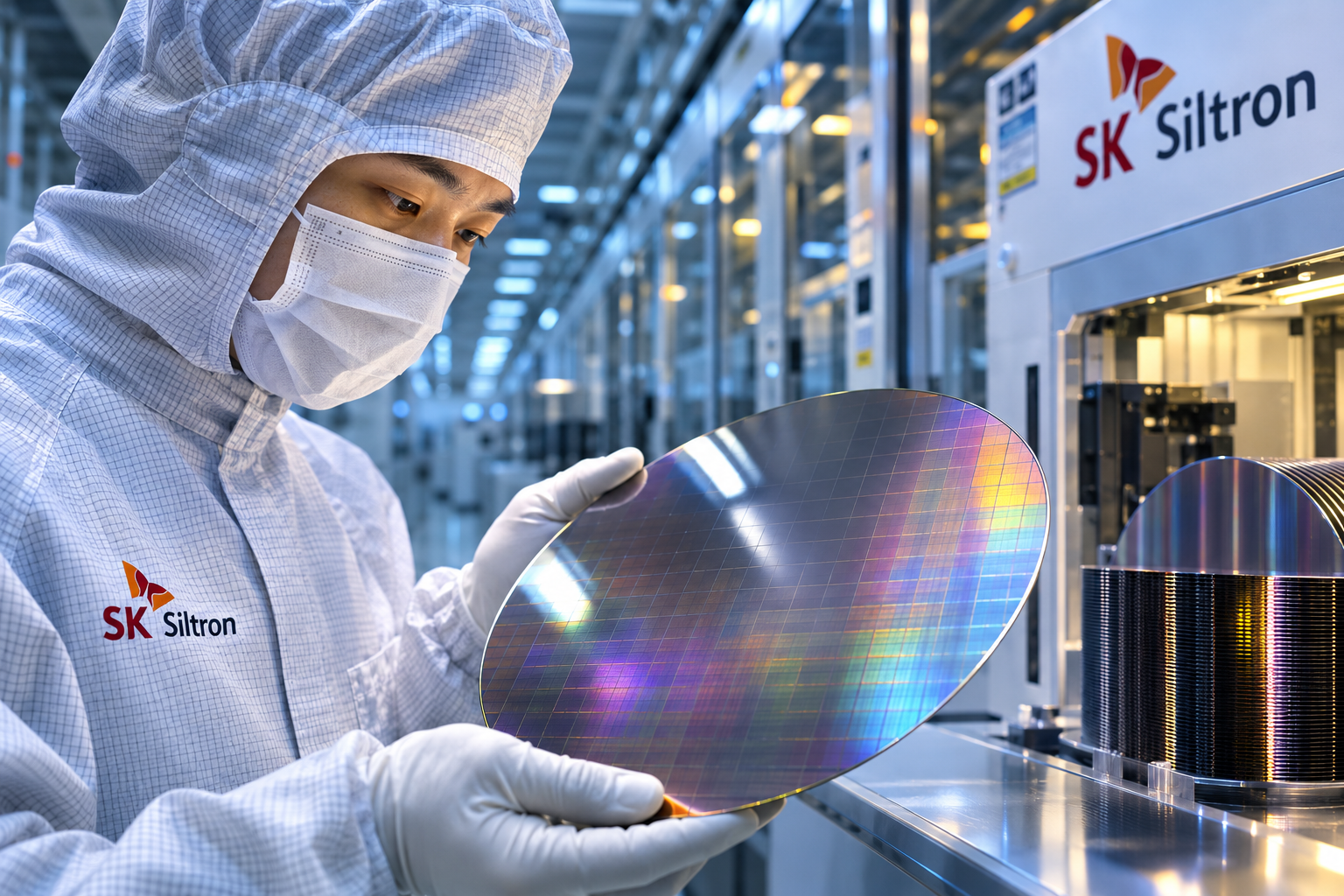
Before the world’s most advanced chips can exist, someone must create the material beneath them. SK Siltron operates at this invisible foundation of semiconductor manufacturing, where extraordinary precision, industrial economics and strategic supply chains shape the future of computing.

Singapore’s plan to import up to 1.3 GW of electricity via a corridor linking Vietnam, Malaysia and Singapore puts the ASEAN Power Grid to a commercial test. Who will sign long-term contracts for power expected from 2035, who will carry the risk of delays and shortfalls, and can other buyers eventually use the same connection?

China is expanding its satellite internet infrastructure through Guowang and Qianfan. Turning deployment into a dependable service requires customers, ground infrastructure and clear operating responsibilities. The first part of Asia’s Orbital Economy examines when industrial scale becomes sustained commercial value.

Samsung and SK hynix are generating extraordinary profits, yet investors are questioning the durability of the AI spending boom. Ahead of their October earnings updates, South Korea’s chipmakers face a harder test: turning industrial indispensability into lasting financial resilience.
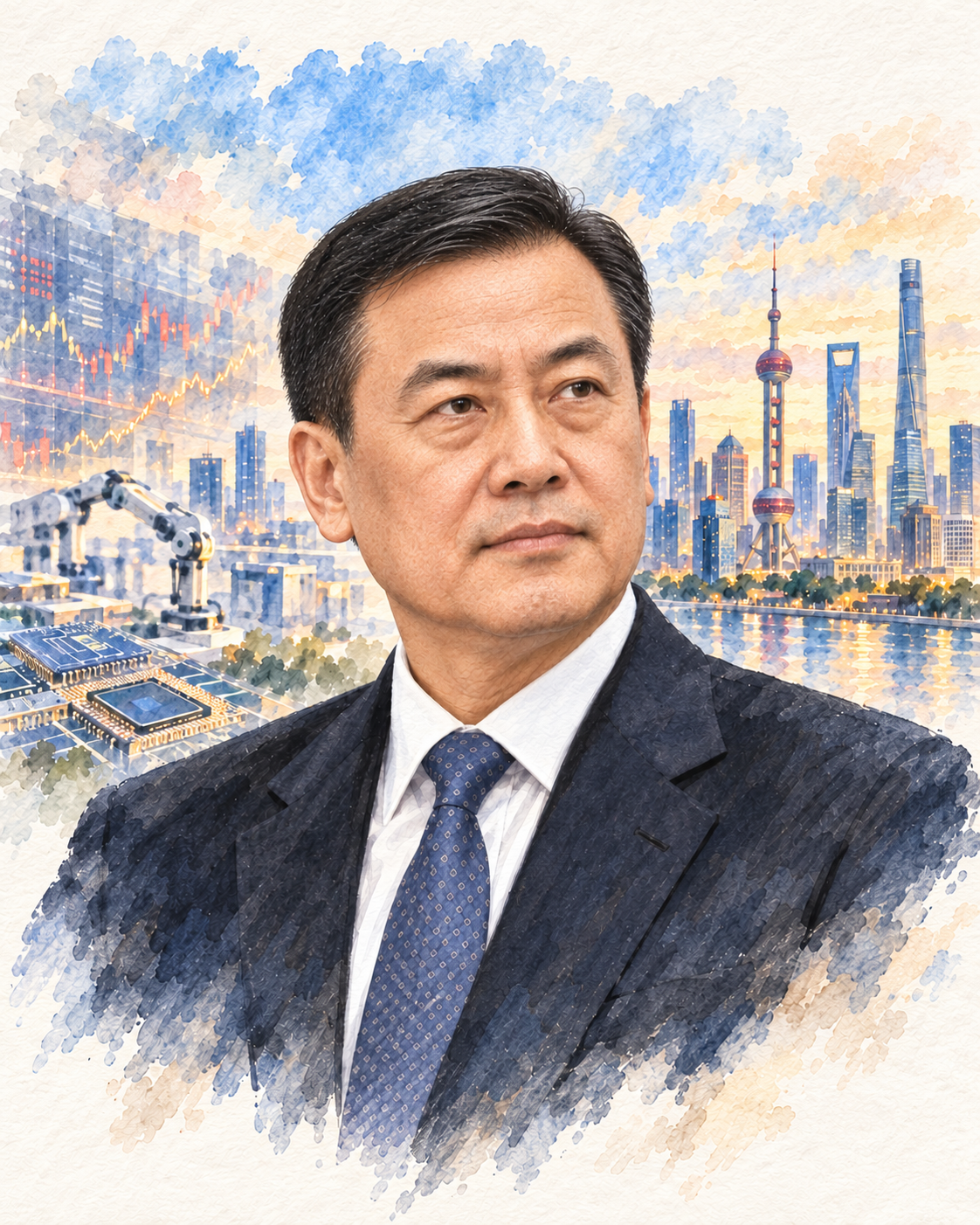
China wants more capital to finance AI, semiconductors and advanced manufacturing — but also less speculation and stronger market discipline. Through Wu Qing, Altair Media examines whether “patient capital” can be designed without weakening the market’s ability to price risk.

Singapore’s photonics ambitions are entering their industrial test. AMF’s integration into GlobalFoundries and a new packaging agreement create routes to scale—but lasting influence will depend on reliable production, customer adoption and the expertise Singapore retains.

Mukesh Ambani’s real power lies not only in the size of Reliance, but in how he uses its balance sheet. Profits from mature businesses can finance new industries long before public markets are ready to price them.

Macau is far more than a casino economy. Centuries of encounter between Chinese society and Portuguese institutions created a distinctive culture whose architecture, food, language and traditions still shape this small territory at the edge of southern China.
