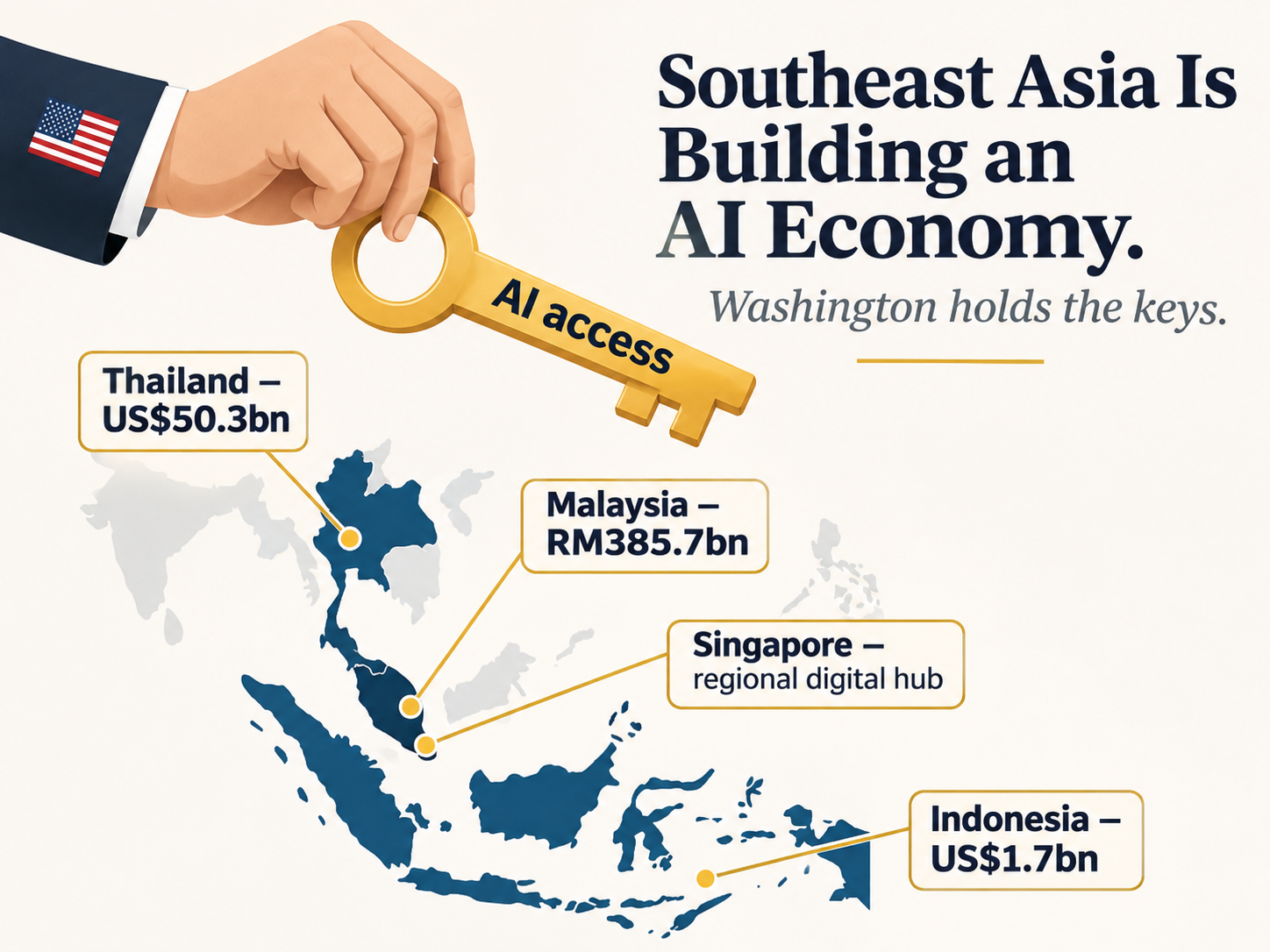
Southeast Asia is investing billions in its AI and digital infrastructure. But new US semiconductor export controls expose a strategic vulnerability: who ultimately controls access to the technology on which the region’s economic ambitions depend?
Infrastructure
Infrastructure connects cities, industries and markets, enabling Asia’s economic expansion and regional integration.

As world leaders gather in Shenzhen, the struggle for control over technology, trade and critical resources exposes a fundamental contradiction. Asia-Pacific economies depend on integration, yet Washington and Beijing increasingly determine the conditions under which others can participate. Can regional cooperation survive the politics of economic power?

TSMC and NVIDIA are bringing light and electronics closer together in the next generation of AI infrastructure. But as photonic technologies enter industrial production, who will capture the value? This Altair Signal examines Taiwan’s semiconductor ecosystem, the growing importance of optical components and the supply-chain dependencies shaping a new industrial frontier.

As Singapore and Malaysia expand their AI cloud capacity, the Megaspeed investigation puts cross-border GPU rental under scrutiny. When computing time is resold, who verifies the end user and who bears the loss if access is suspended?
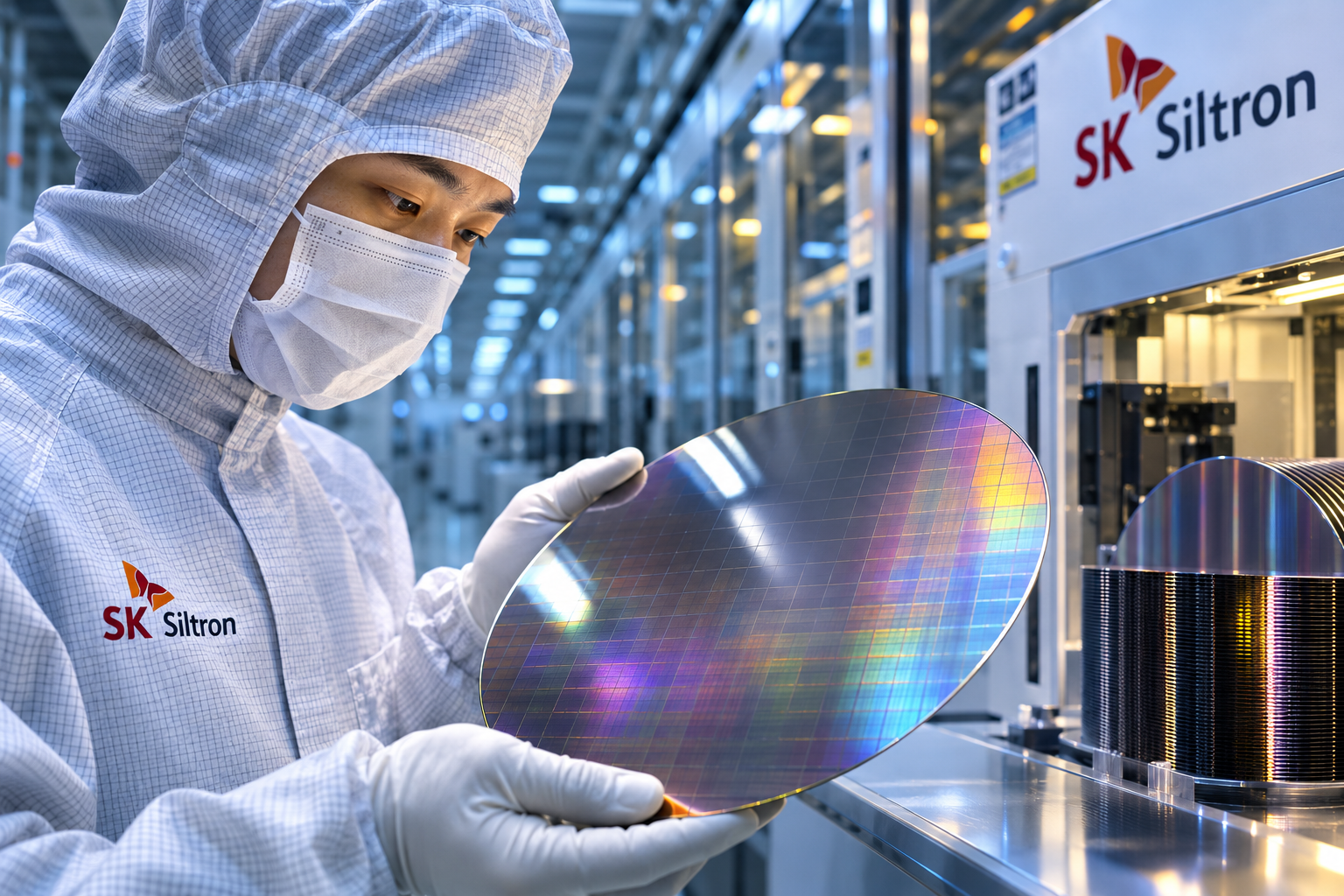
Before the world’s most advanced chips can exist, someone must create the material beneath them. SK Siltron operates at this invisible foundation of semiconductor manufacturing, where extraordinary precision, industrial economics and strategic supply chains shape the future of computing.

Singapore’s plan to import up to 1.3 GW of electricity via a corridor linking Vietnam, Malaysia and Singapore puts the ASEAN Power Grid to a commercial test. Who will sign long-term contracts for power expected from 2035, who will carry the risk of delays and shortfalls, and can other buyers eventually use the same connection?
