
For decades, artificial intelligence was defined by Silicon Valley: large models, venture capital, global hype. But the next phase of AI is different. The challenge is no longer invention alone—it is execution at scale, across diverse societies and infrastructures. Increasingly, the answer points to Bengaluru. Once India’s outsourcing hub, today it is where AI moves from laboratory experiments to operational systems with real-world impact.
Trade
Trade connects Asia to the world, shaping growth, supply chains and geopolitical influence across the Indo-Pacific.

Global supply chains are not collapsing but being rewired. As companies diversify production beyond China, a new manufacturing geography is emerging across Asia, linking Southeast Asia, India and East Asia into a more complex and resilient network of trade.

Minilateral alliances are reshaping the Indo-Pacific, offering speed and flexibility in an era of strategic rivalry. As traditional institutions struggle with consensus, smaller coalitions redefine how power, cooperation and security are organised across an increasingly fragmented global order.
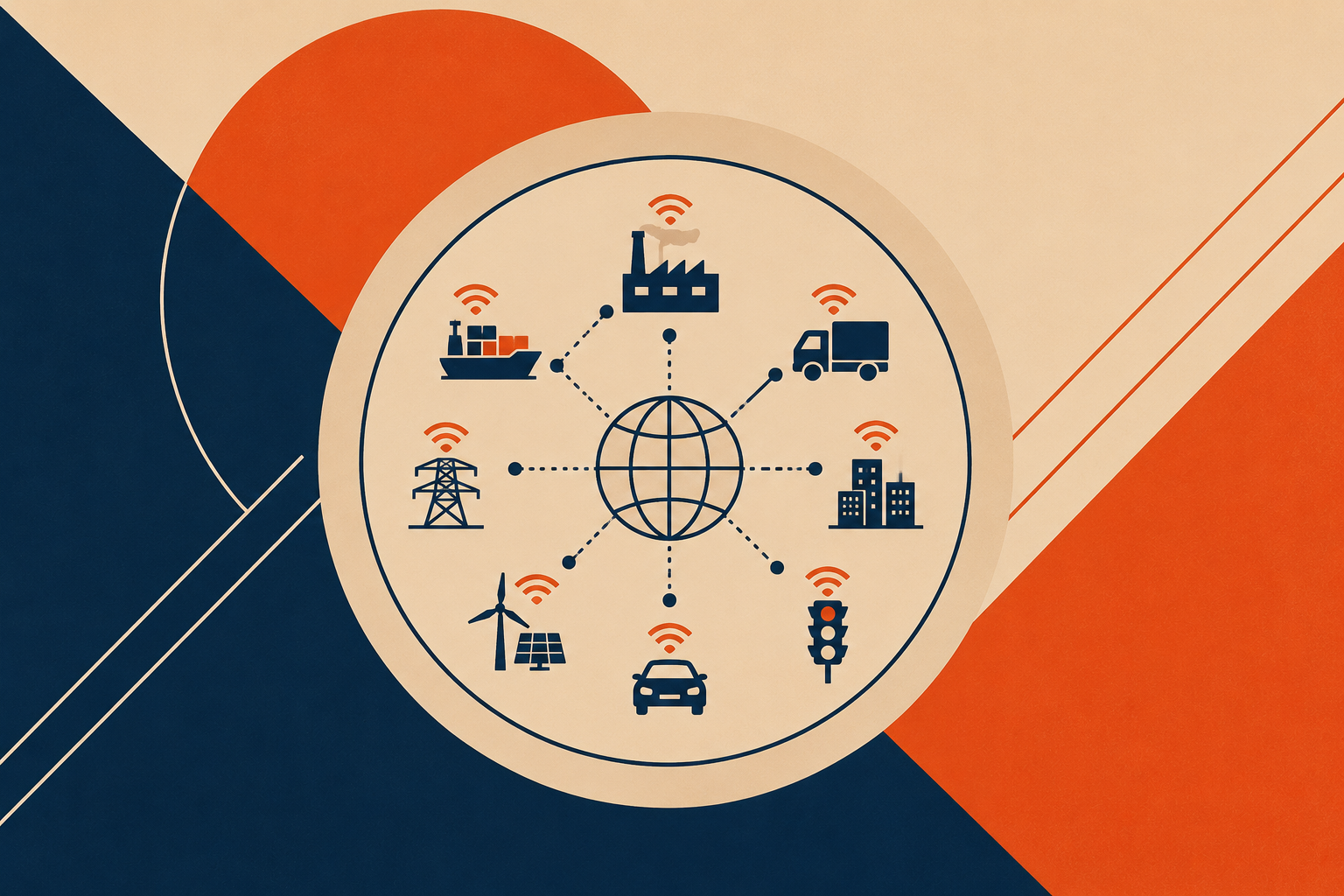
The internet is no longer confined to apps, platforms and screens. Across Asia, sensors, embedded systems and connected infrastructure are transforming factories, cities and energy networks into realtime computational environments — reshaping how societies operate, govern and compete.

European companies and Chinese companies often compete in the same markets. Yet they frequently operate within very different economic architectures. Understanding those differences helps explain why debates about subsidies, trade and industrial policy have become increasingly central to relations between Europe and China.
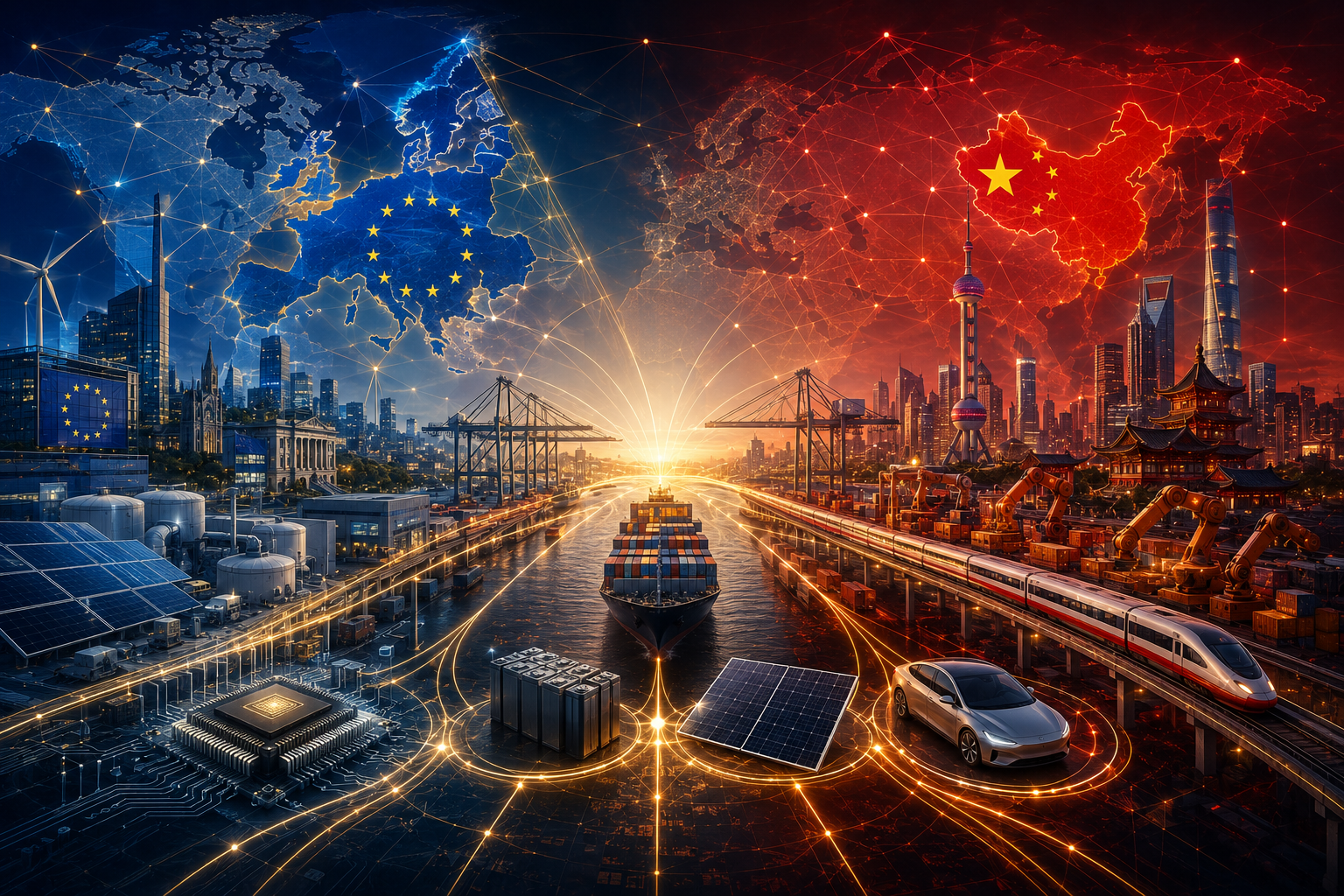
Why does Europe increasingly describe competition with China as unfair? The answer extends beyond tariffs, subsidies or trade disputes. At its core lies a deeper question: what happens when two fundamentally different economic systems compete within the same global marketplace?

Samsung reported record profits and investors responded by selling. The reaction may reveal less about semiconductor demand itself and more about a changing market psychology as the AI economy moves from deployment towards productivity.
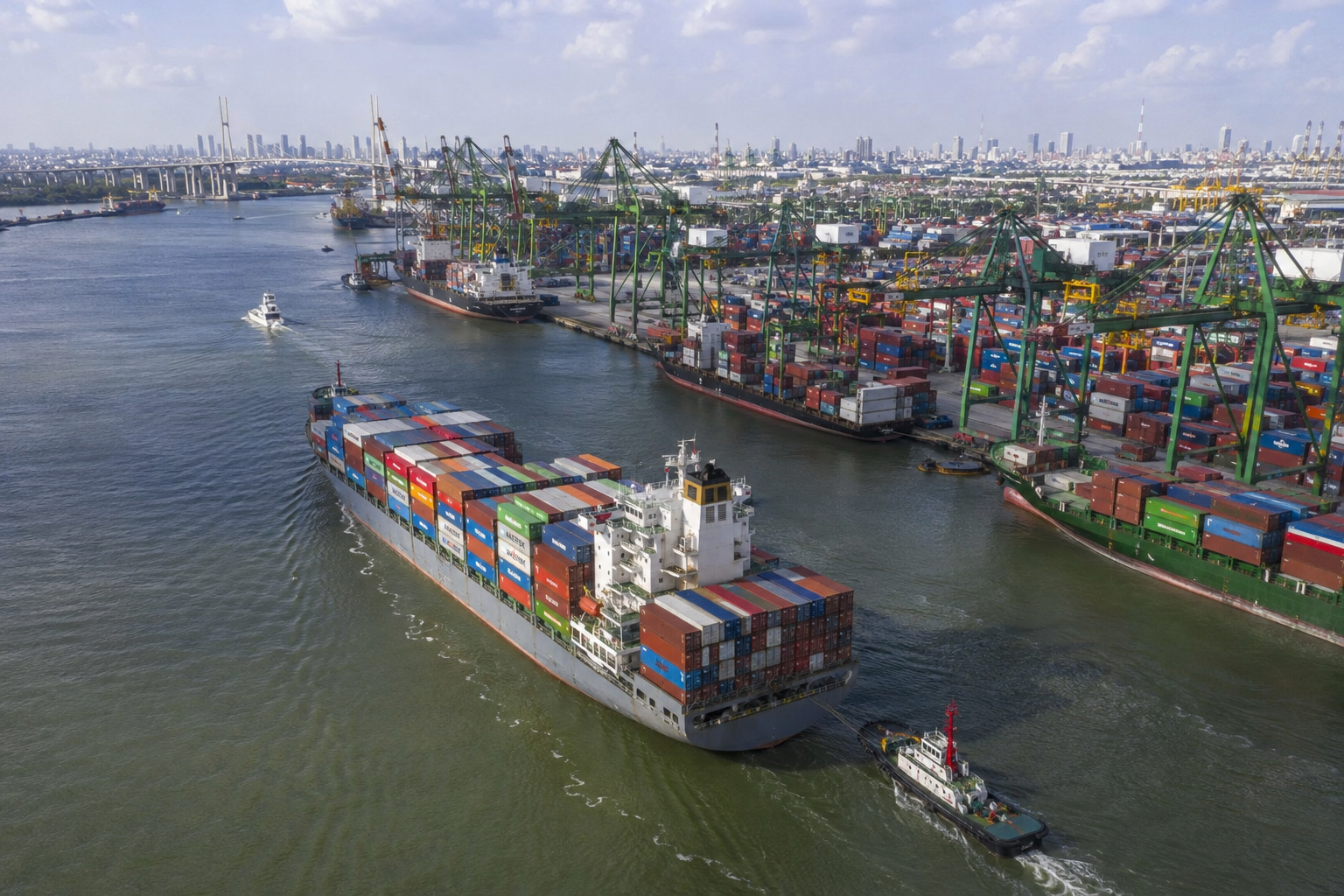
Asia does not feed the world through sheer agricultural volume alone. Its real power lies in concentrated food flows — from rice and palm oil to aquaculture, coffee and spices — that global markets cannot easily replace.

For decades, Indonesia exported raw materials while much of the economic value was created elsewhere. Today, the country is pursuing a different strategy: transforming natural resources into industrial ecosystems that strengthen long-term competitiveness and reshape its position in global supply chains.

Japan does not lack capital. Its challenge is making that capital move. Through Hiromi Yamaji and the Tokyo Stock Exchange, Altair Media examines how governance reform, higher interest rates and changing corporate behaviour are reshaping the way Japanese capital is allocated.
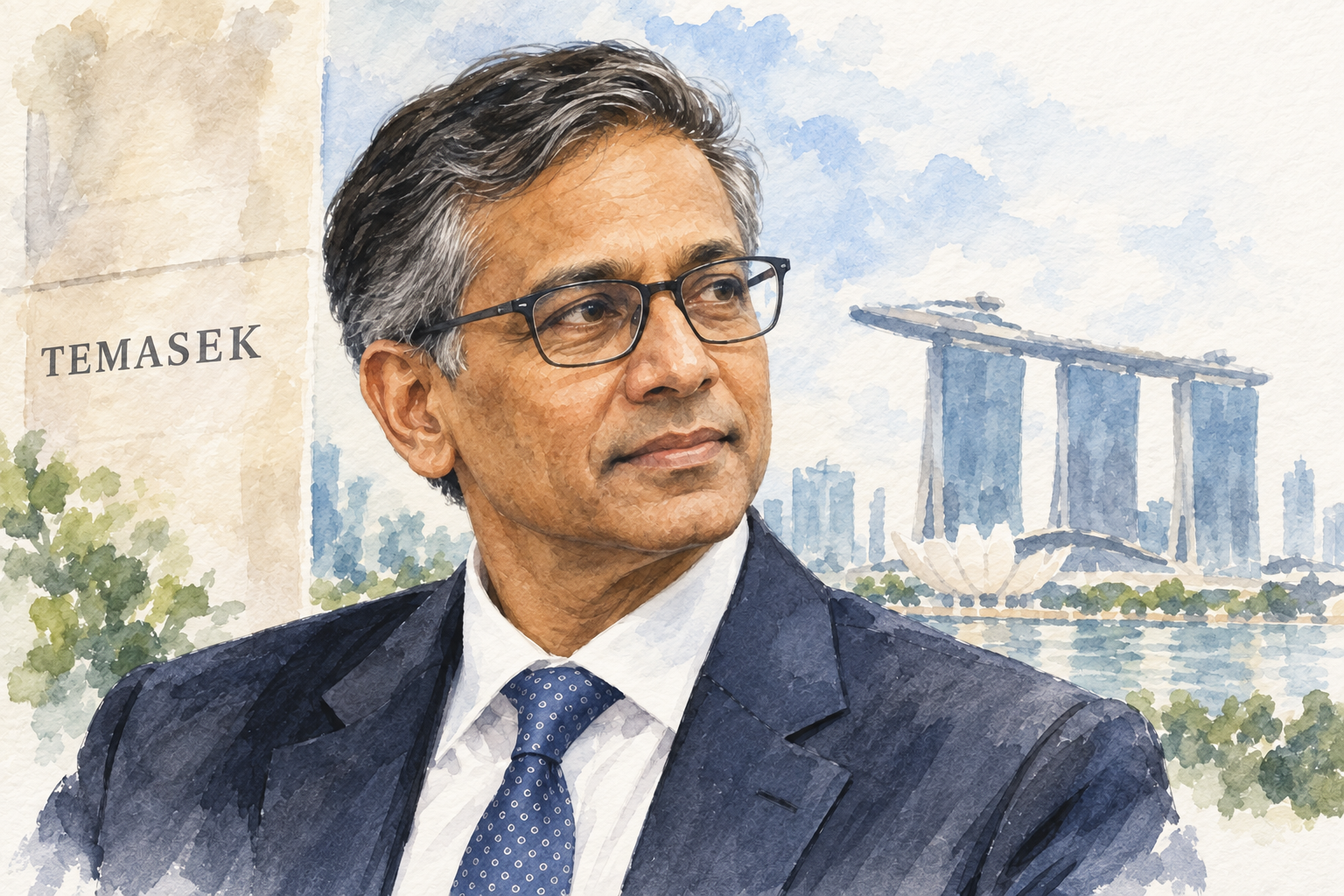
Temasek is state-owned, but it is not a ministry. Through Dilhan Pillay, Altair Media examines how Singapore combines public ownership, commercial discipline and patient capital to invest across AI, infrastructure, energy and long-term economic transitions.
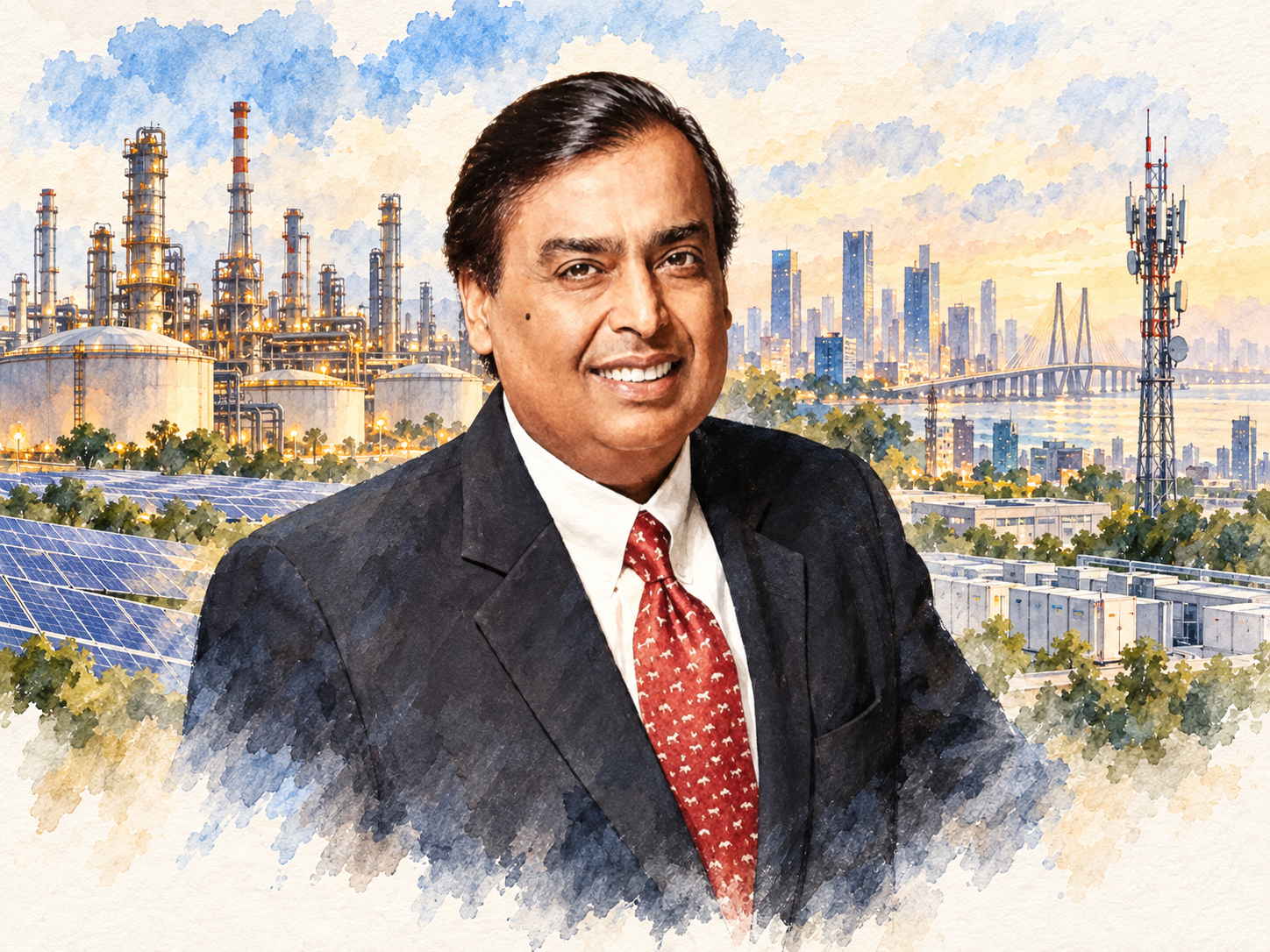
Mukesh Ambani’s real power lies not only in the size of Reliance, but in how he uses its balance sheet. Profits from mature businesses can finance new industries long before public markets are ready to price them.
