
Taiwan’s semiconductor industry is often measured in market share and production capacity. Yet its deeper significance lies elsewhere: in the concentration of expertise, institutions and industrial coordination that increasingly defines technological power in the twenty-first century.
Technology
Technology drives innovation, productivity and global competitiveness across Asia’s rapidly evolving economies.

European companies and Chinese companies often compete in the same markets. Yet they frequently operate within very different economic architectures. Understanding those differences helps explain why debates about subsidies, trade and industrial policy have become increasingly central to relations between Europe and China.

Why does China invest hundreds of billions in semiconductors, artificial intelligence, batteries and high-speed rail? The answer lies in how Beijing views economic development. Many technologies are not seen as commercial sectors alone, but as strategic infrastructure that underpins future national power.

Europe’s technology strategy is not about isolation. It is about resilience through partnership. As Europe builds its capabilities in semiconductors, cloud infrastructure and artificial intelligence, cooperation with India on talent, digital infrastructure and innovation could help shape the next era of global technology.
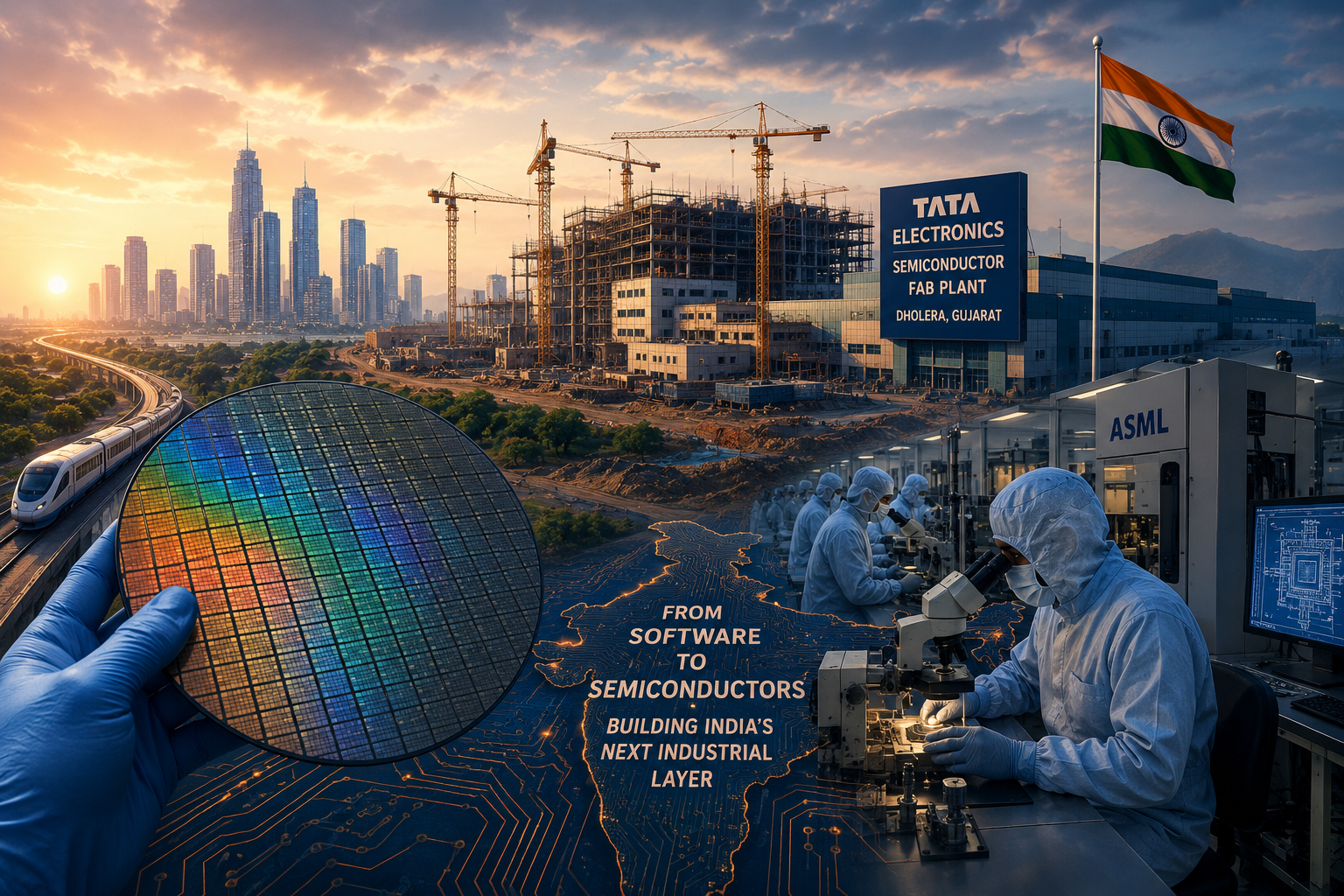
India’s semiconductor ambitions are often described as a technology story. Increasingly, they look like something deeper: a shift from software to industrial capability, from talent to ecosystems, and from participation in global supply chains to becoming indispensable within them.
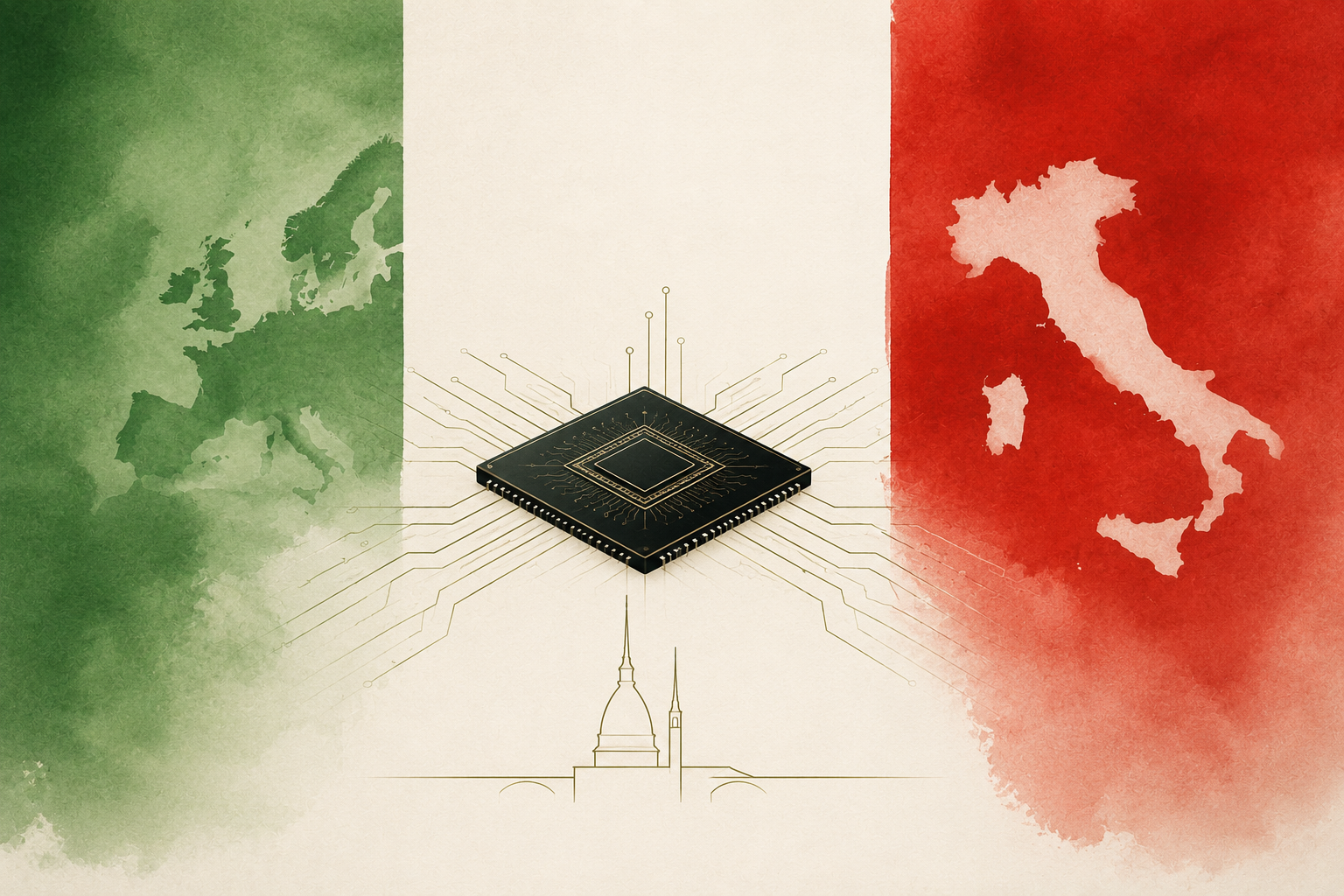
As AI infrastructure transforms the semiconductor industry, Europe is quietly shifting its strategy away from full technological autonomy and toward a model built around critical infrastructure, systems integration and technological indispensability.
