
Macau is far more than a casino economy. Centuries of encounter between Chinese society and Portuguese institutions created a distinctive culture whose architecture, food, language and traditions still shape this small territory at the edge of southern China.
Society & Culture
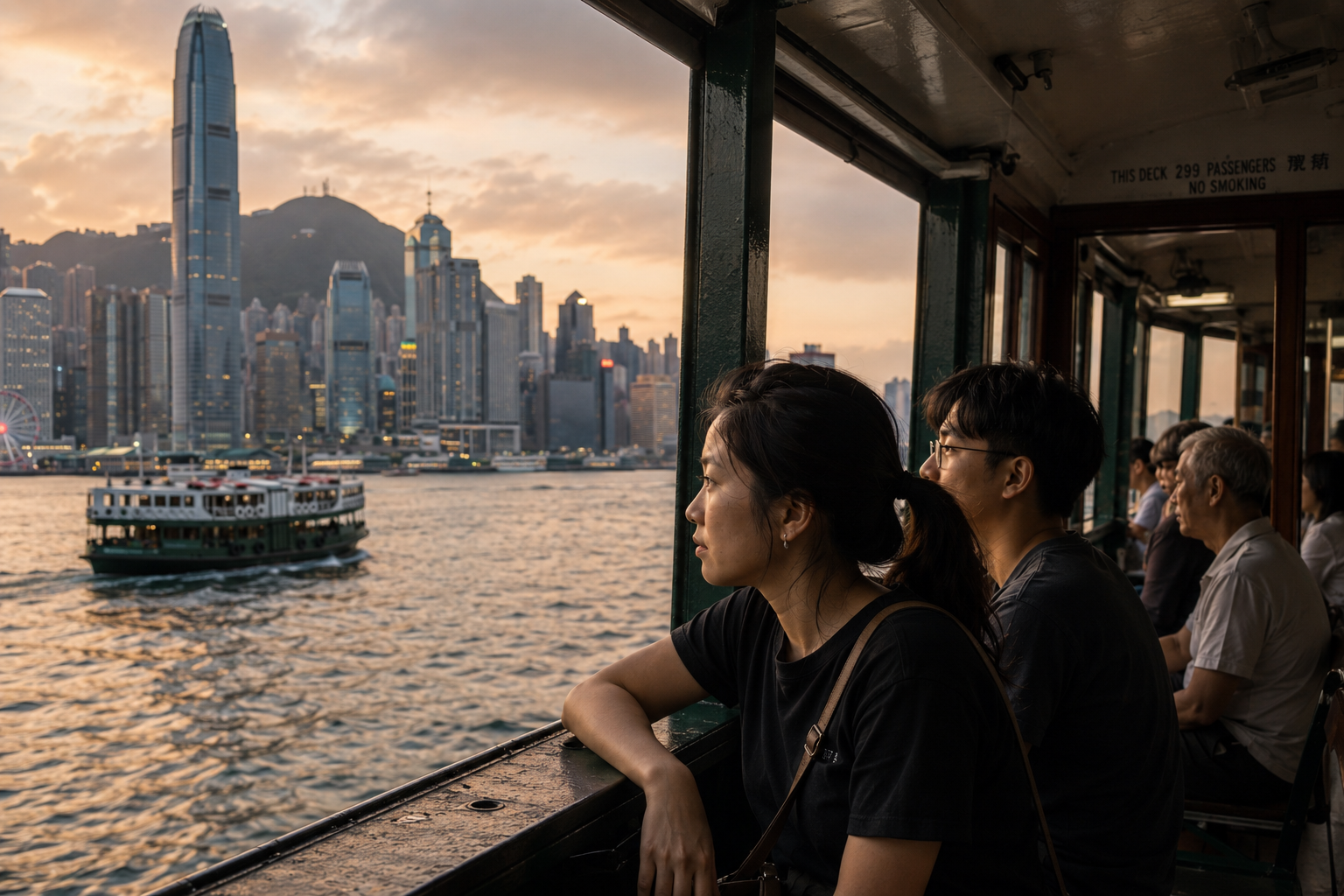
Hong Kong was built through movement and connection. Migration, Cantonese culture, colonial institutions, manufacturing, finance and extraordinary urban density created a society between worlds—one whose future now depends on redefining what it connects.

A new generation of Cambodian designers, dancers and artists is rediscovering Khmer culture — transforming ancient symbols, traditional performance and inherited craft into fashion, digital art and contemporary forms of expression.
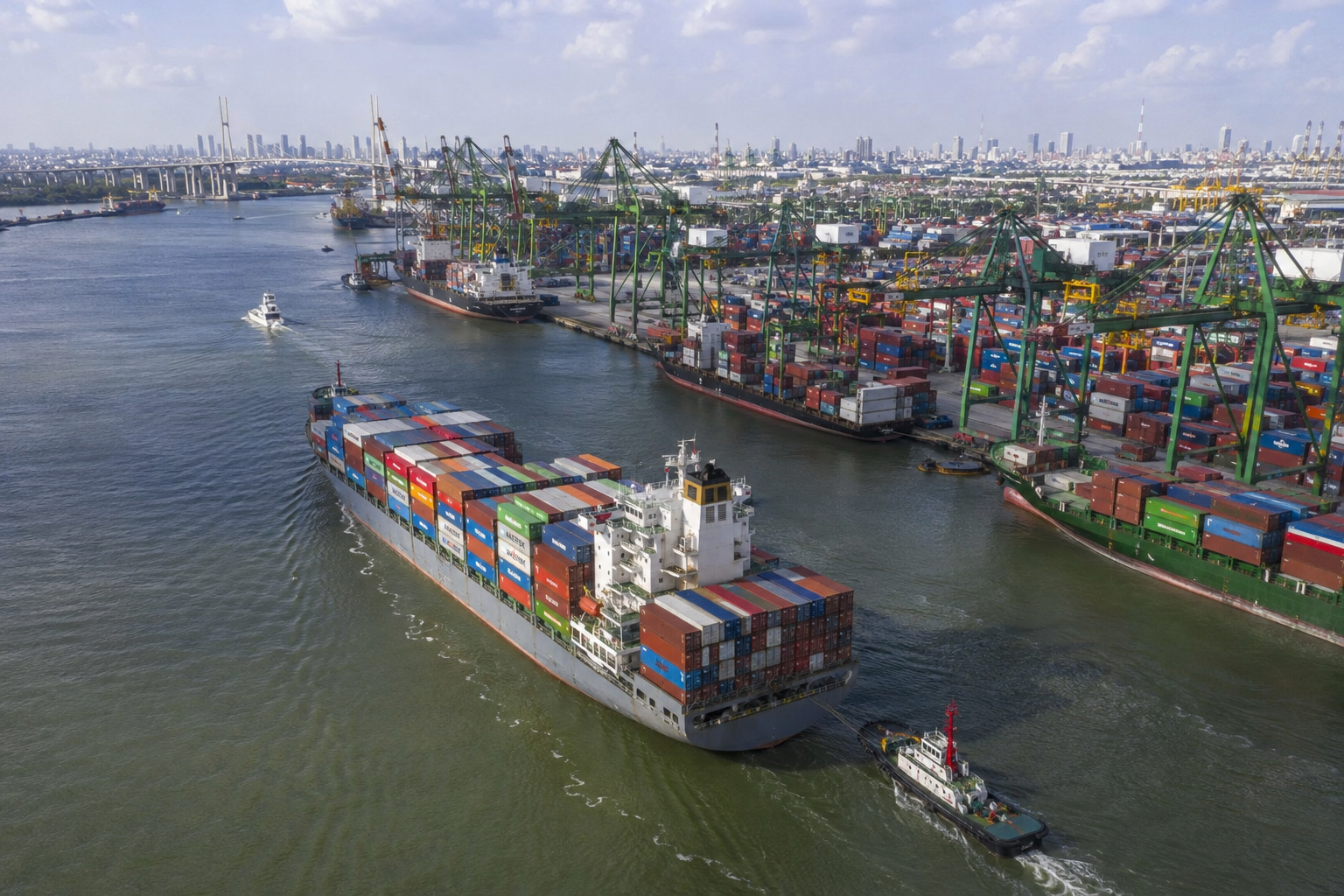
Asia does not feed the world through sheer agricultural volume alone. Its real power lies in concentrated food flows — from rice and palm oil to aquaculture, coffee and spices — that global markets cannot easily replace.
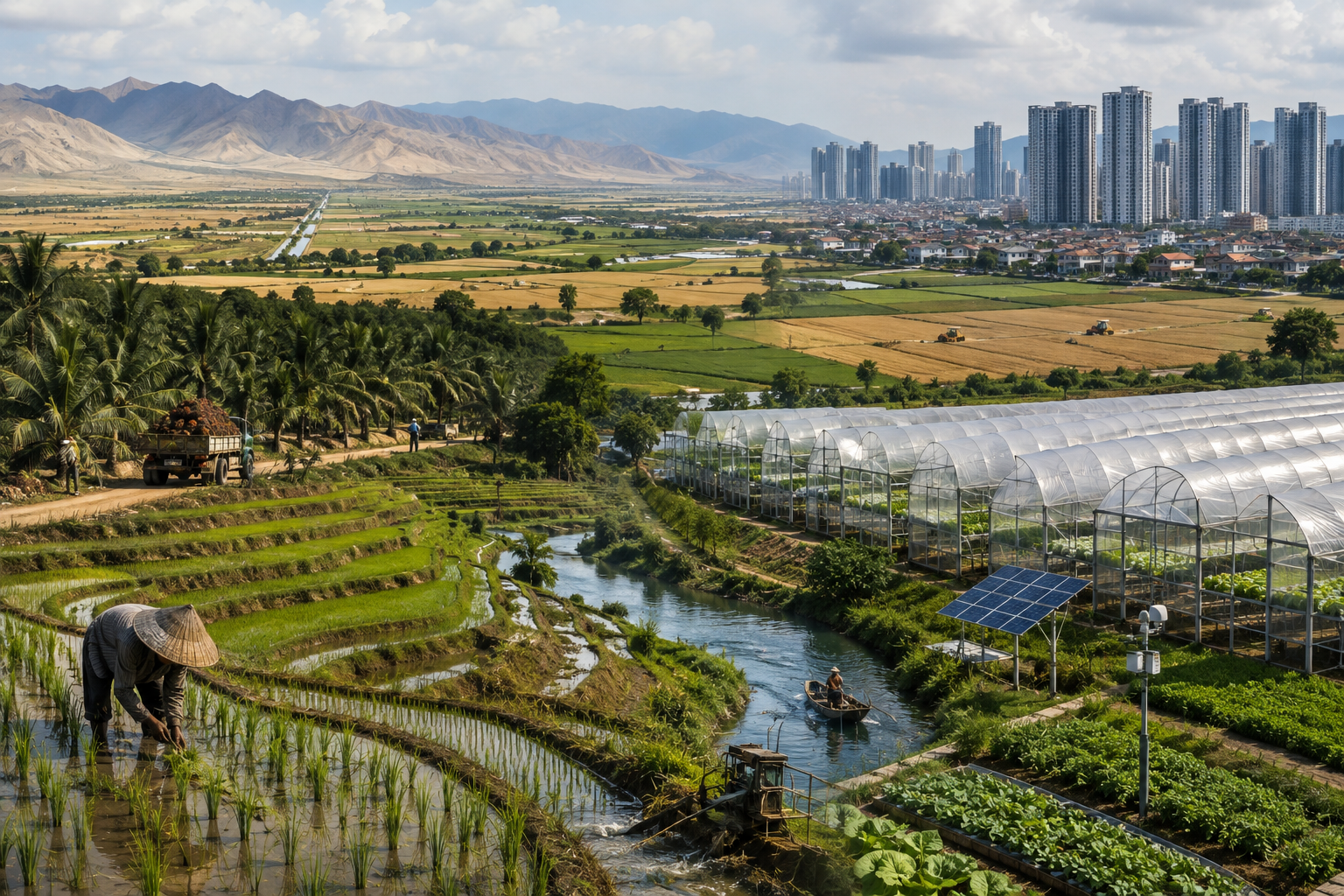
Beyond Asia’s megacities lies an immense agricultural landscape shaped by rice terraces, grain fields, plantations, irrigation and increasingly engineered farming. Understanding this geography reveals the physical system beneath Asia’s extraordinary economic and technological transformation.

Taiwan is more than semiconductors and geopolitics. Shaped by migration, colonial history, democratisation and technological ambition, the island has developed a distinctive society whose identity continues to evolve through the many historical layers it carries.

In Kuala Lumpur, shopping malls have evolved beyond retail. Shaped by climate, mobility and urban density, they increasingly function as places where people meet, work and spend time—raising a broader question about how cities organise public life in the twenty-first century.

China is often viewed through geopolitics and economic competition. This portrait explores the deeper foundations of Chinese society, revealing how history, civilisation and statecraft continue to shape one of the world’s most influential nations.

South Korea’s remarkable rise is often explained through technology and global brands. Yet its greatest achievement may be the rapid transformation of an entire society, where education, industrial policy and collective ambition reshaped one of the world’s most dynamic democracies within a single generation.

Behind Japan’s technological achievements lies a society built on continuity, craftsmanship and shared responsibility. This portrait explores how culture, institutions and demographic change continue to shape one of Asia’s most influential and resilient nations.

South Korea has invested billions to reverse one of the world’s lowest birth rates, yet demographic decline continues. This essay explores why the challenge extends beyond financial incentives and what it reveals about the limits of governance in modern societies.
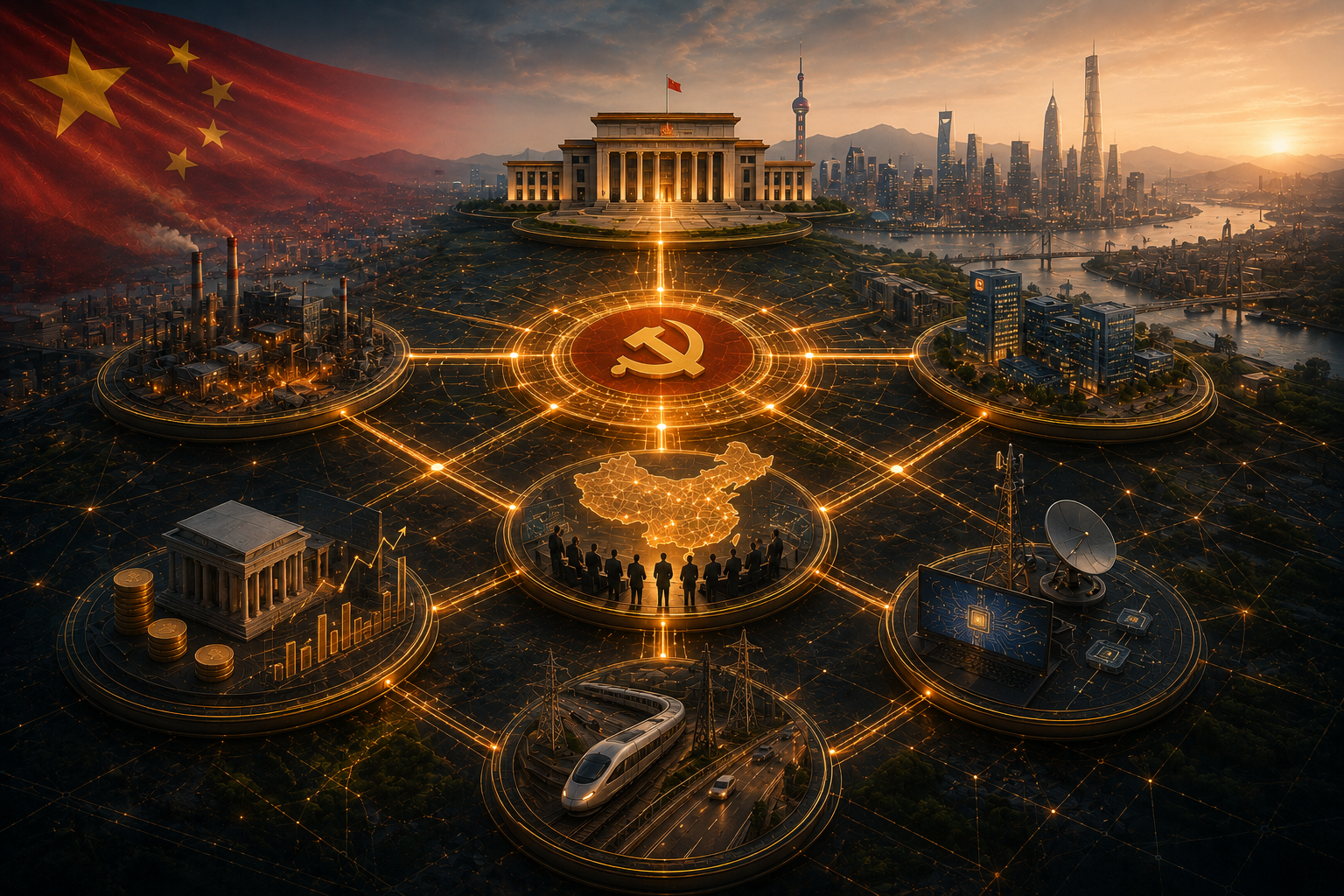
Many observers focus on China’s government or its companies. Yet understanding modern China requires examining the institution that connects them. The Communist Party functions not only as a political organisation, but also as a coordinating mechanism that links state institutions, economic development and long-term national priorities.
