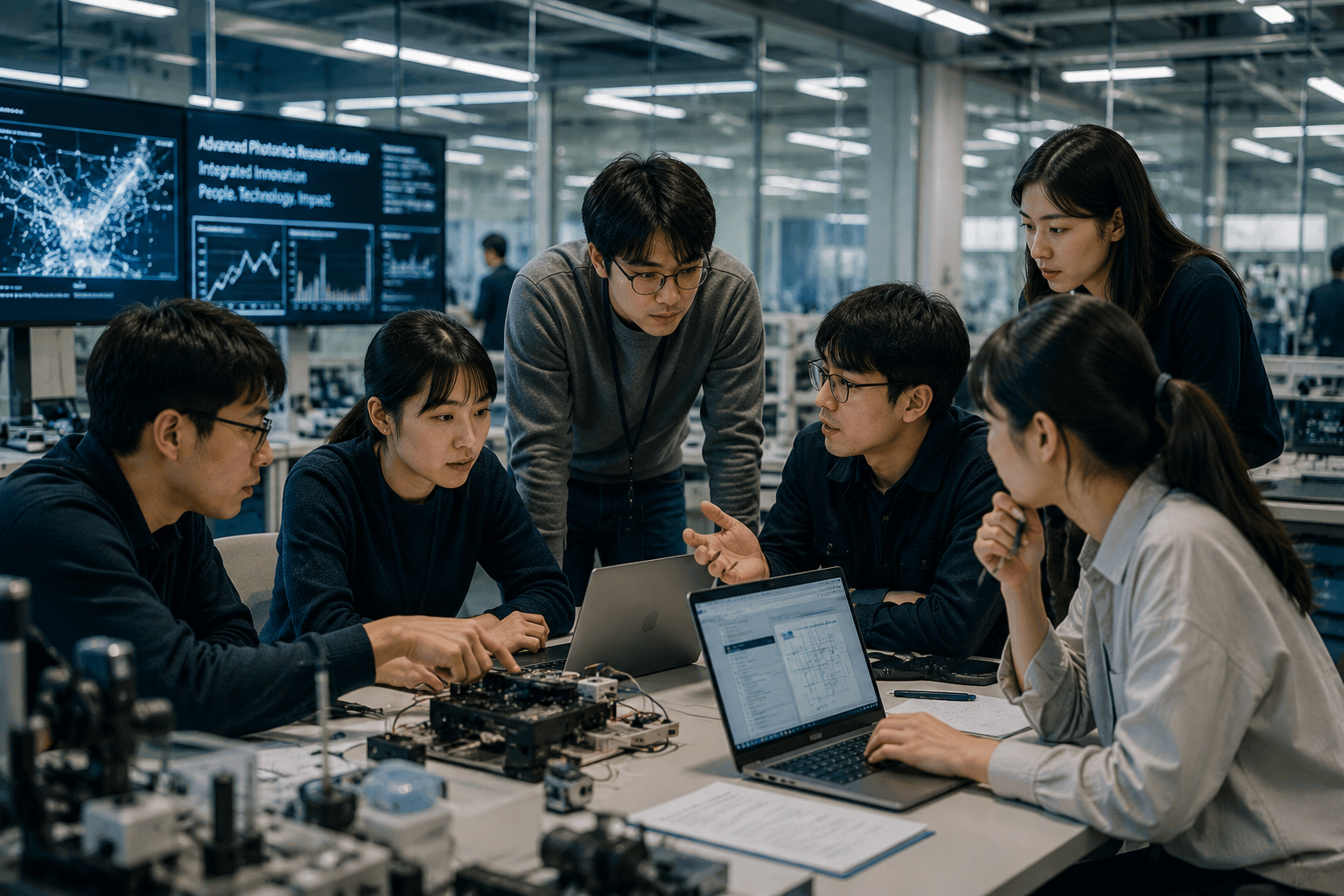
Across Asia, universities are increasingly becoming part of coordinated talent systems designed to support innovation, industrial capacity and national competitiveness. Education is evolving from a social institution into strategic infrastructure for generating the capabilities that shape future economic power.
Society & Culture

For decades, education was one of China’s most reliable pathways to opportunity and upward mobility. Today, academic achievement remains highly valued, yet growing numbers of graduates are discovering that qualifications no longer provide the same certainty they once did. This essay explores the widening gap between educational success and confidence in the future.

Japan is gradually expanding access to foreign labor, but not in the way many observers assume. Rather than embracing large-scale immigration, the country is developing a carefully managed strategy to adapt to demographic decline while preserving social continuity.

For decades, China’s growth model promised a broadly understandable path to success: education, employment, home ownership and upward mobility. Today, many young Chinese continue to pursue those goals, but with growing uncertainty about where ambition ultimately leads. This essay explores the quieter psychological shifts emerging beneath China’s slowing economic momentum.

Singapore’s evolving visa policies reveal a broader shift in Asia’s talent competition. What appears to be tighter migration rules may actually reflect a more selective strategy focused on attracting the skills needed to sustain long-term economic competitiveness.
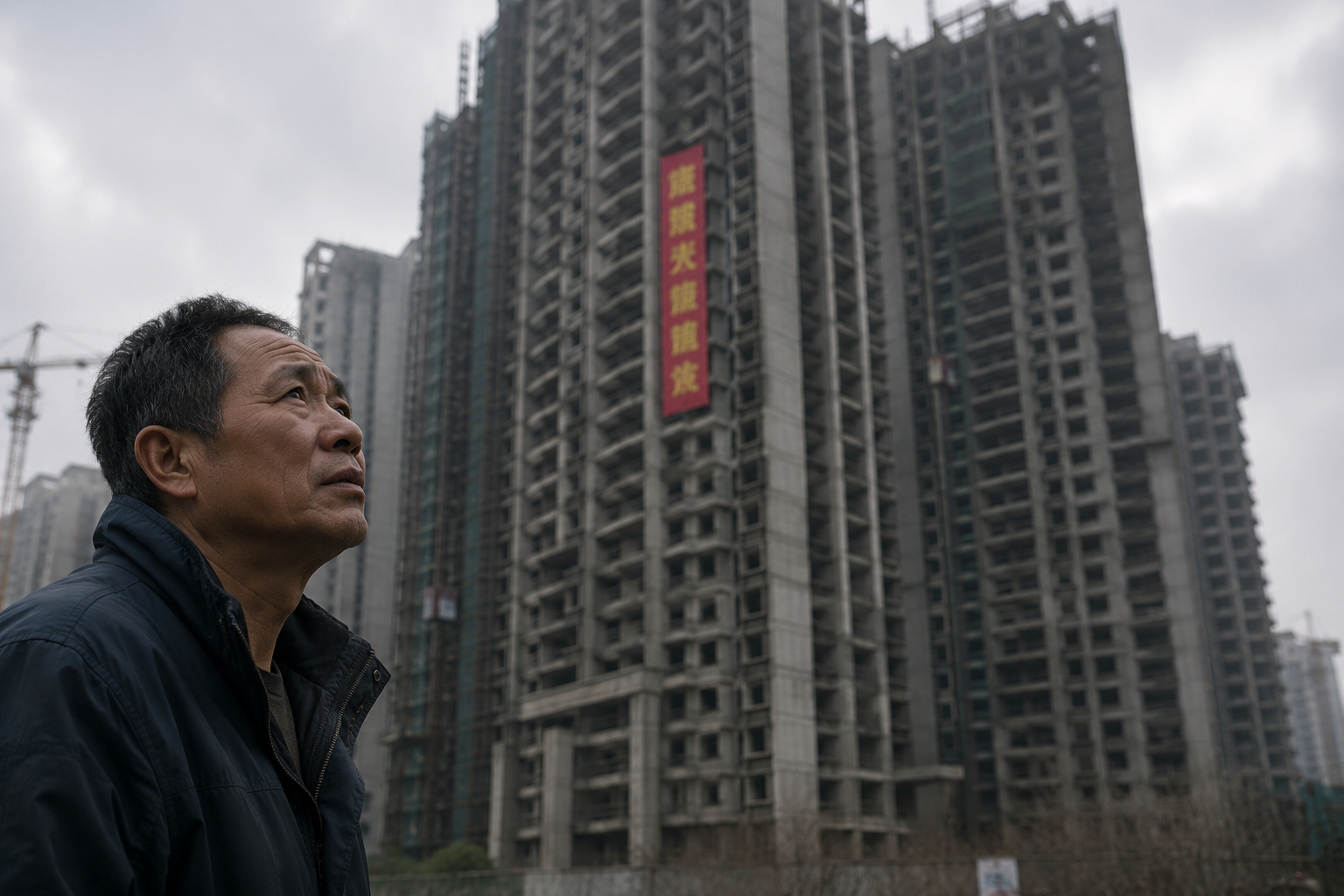
China’s economic slowdown is often discussed through statistics and growth forecasts. Yet behind the numbers lies a quieter reality: changing expectations, weakened confidence and a society learning to operate without the momentum that once seemed automatic.

India’s semiconductor ambitions are often described as a technology story. Increasingly, they look like something deeper: a shift from software to industrial capability, from talent to ecosystems, and from participation in global supply chains to becoming indispensable within them.

Japan is often portrayed as the world’s robotics leader. Yet behind the futuristic image lies a more practical reality. As demographic decline accelerates and labour shortages deepen, automation is becoming less a choice than a necessity — raising new questions about the future relationship between technology and human care.

On a crowded Tokyo train, a barking toy hidden inside a young woman’s bag creates a moment of silent chaos. Everyone hears it. Everyone knows she knows. Yet nobody says a word. The humor lies in the shared effort to keep acting normal.
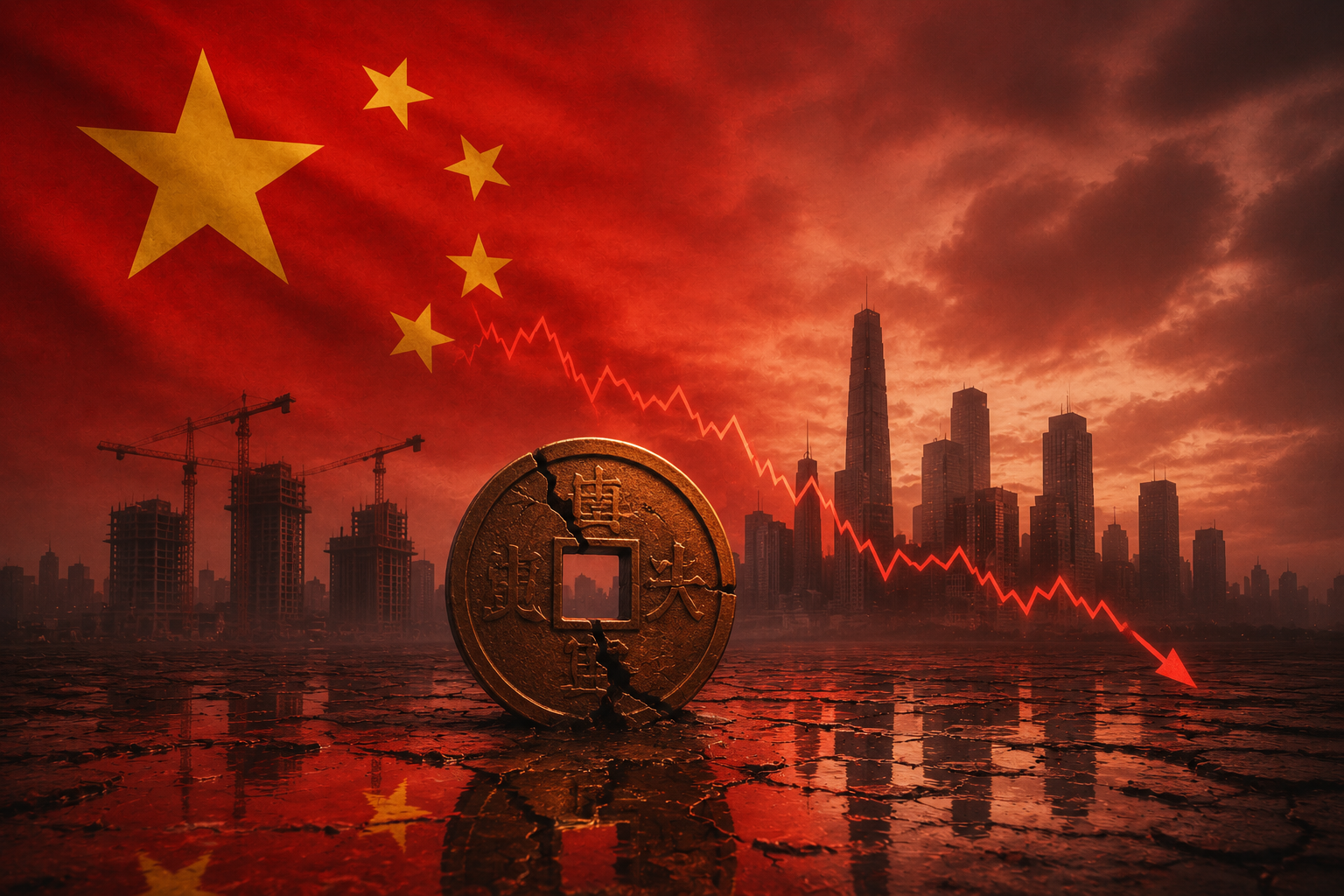
China remains one of the world’s largest industrial powers, yet beneath the language of stability and resilience, quieter economic signals are emerging. This article explores how China is gradually shifting from managing expansion toward managing stabilisation.

China remains one of the world’s most influential powers, yet beneath the surface, quieter signals are emerging across its economy, demographics and society. This series explores the structural pressures shaping China’s next phase beyond the era of automatic growth.

The idea of brain drain no longer fully explains migration in Asia. Talent increasingly circulates across interconnected systems, reshaping how countries accumulate power, retain capability and compete for human capital in a region defined less by departure than by strategic mobility.
