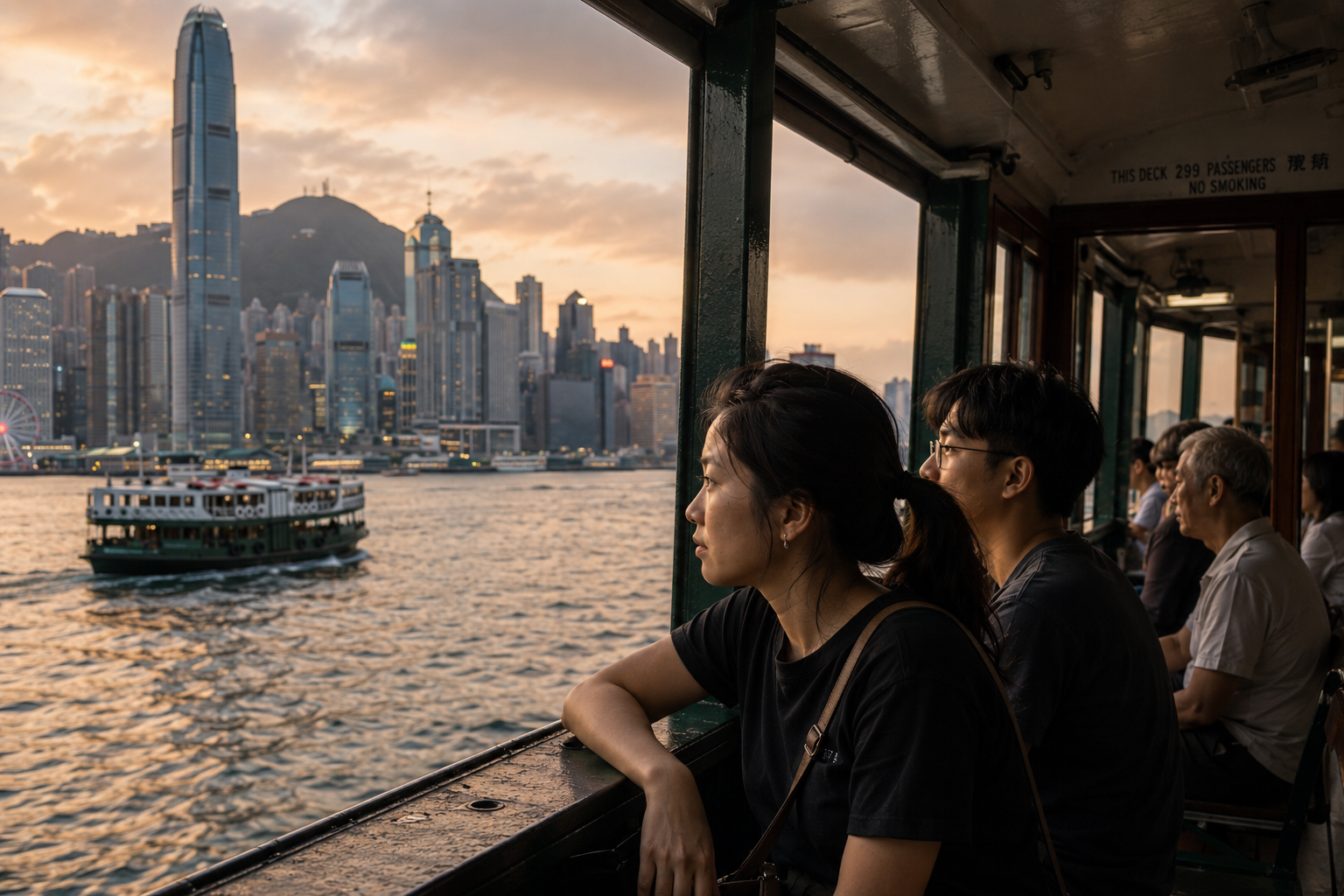
Hong Kong was built through movement and connection. Migration, Cantonese culture, colonial institutions, manufacturing, finance and extraordinary urban density created a society between worlds—one whose future now depends on redefining what it connects.
Latest Articles
Stay up to date with the latest reporting, analysis and commentary shaping Asia and the wider Indo-Pacific..

For decades, Indonesia exported raw materials while much of the economic value was created elsewhere. Today, the country is pursuing a different strategy: transforming natural resources into industrial ecosystems that strengthen long-term competitiveness and reshape its position in global supply chains.

A new generation of Cambodian designers, dancers and artists is rediscovering Khmer culture — transforming ancient symbols, traditional performance and inherited craft into fashion, digital art and contemporary forms of expression.
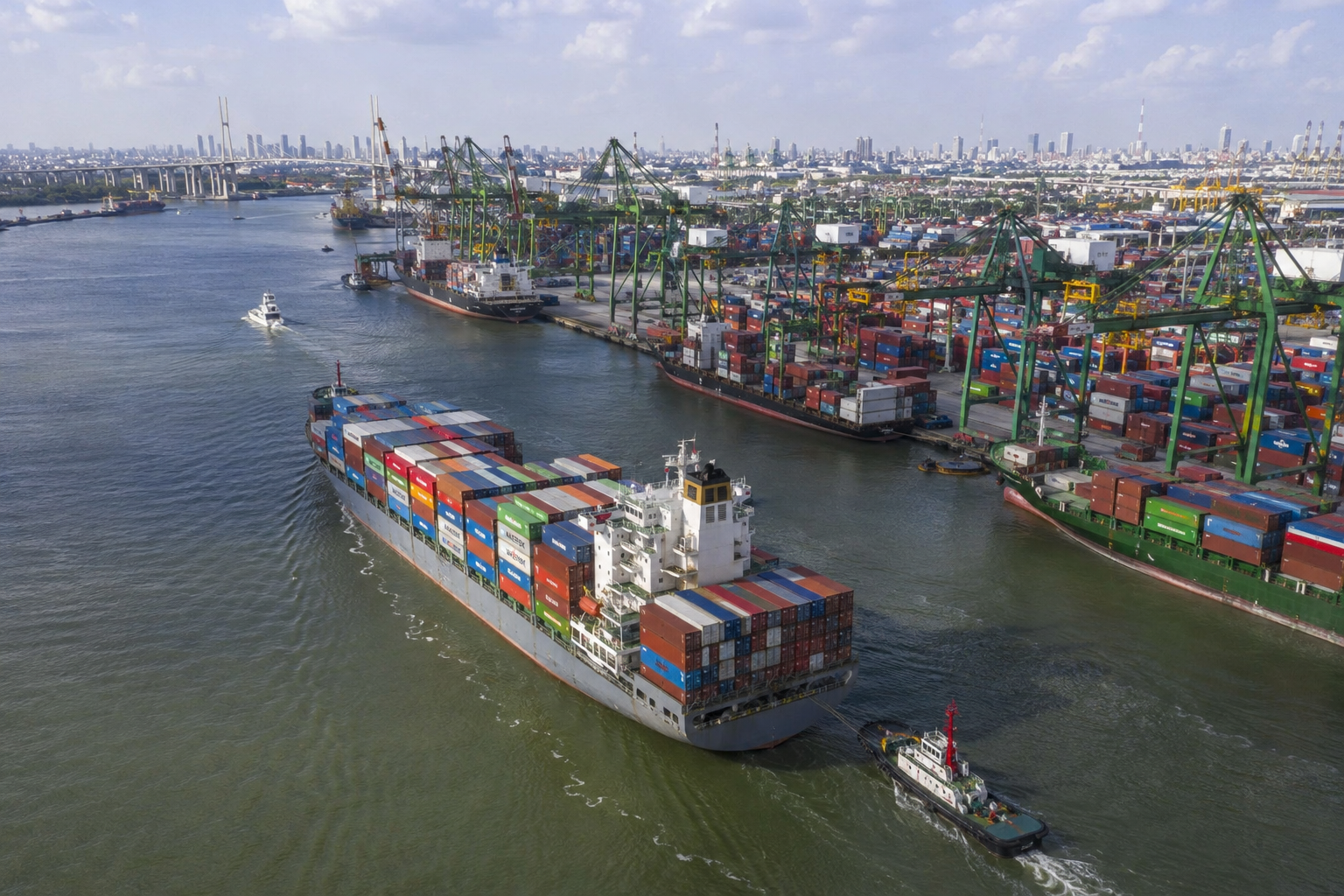
Asia does not feed the world through sheer agricultural volume alone. Its real power lies in concentrated food flows — from rice and palm oil to aquaculture, coffee and spices — that global markets cannot easily replace.
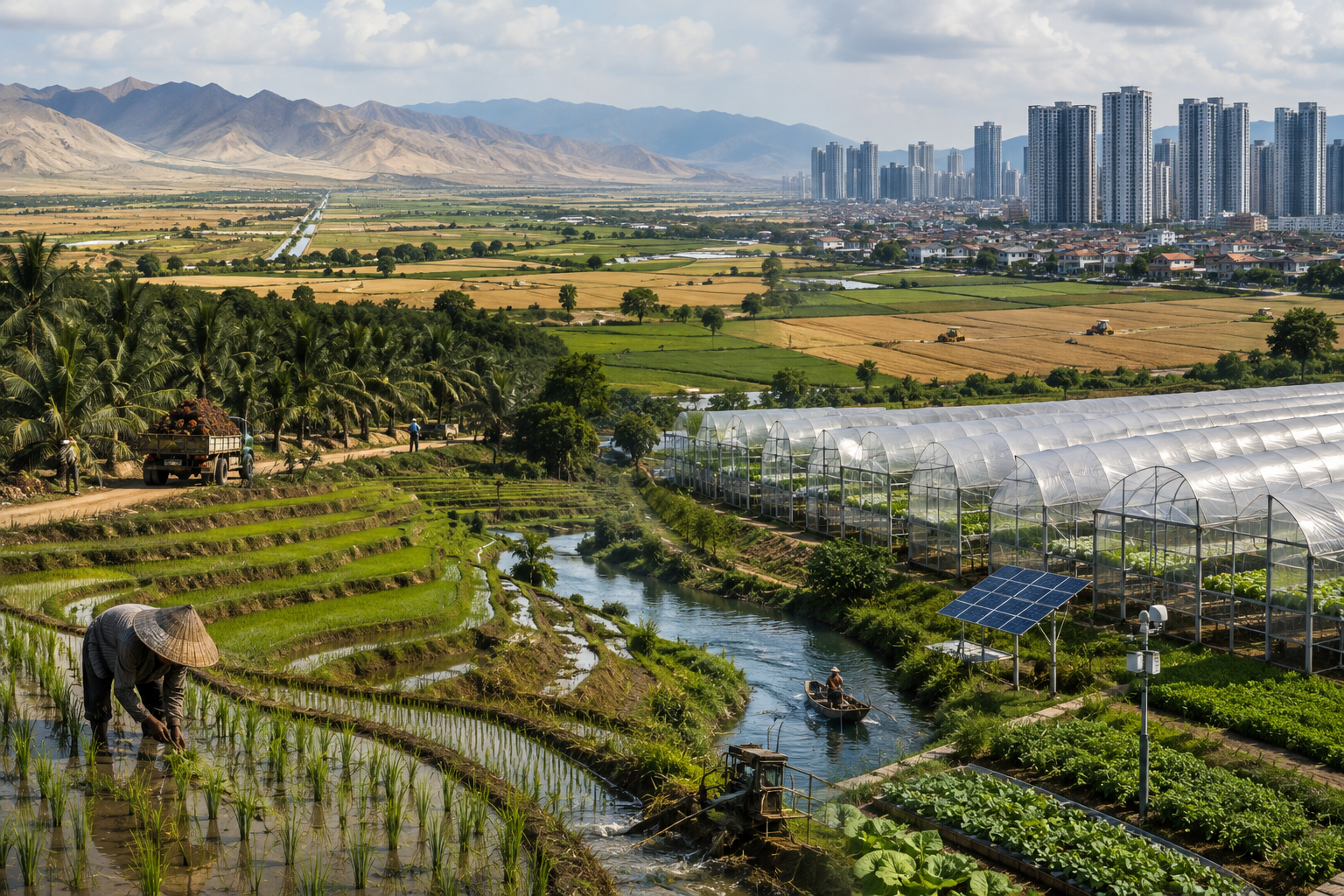
Beyond Asia’s megacities lies an immense agricultural landscape shaped by rice terraces, grain fields, plantations, irrigation and increasingly engineered farming. Understanding this geography reveals the physical system beneath Asia’s extraordinary economic and technological transformation.
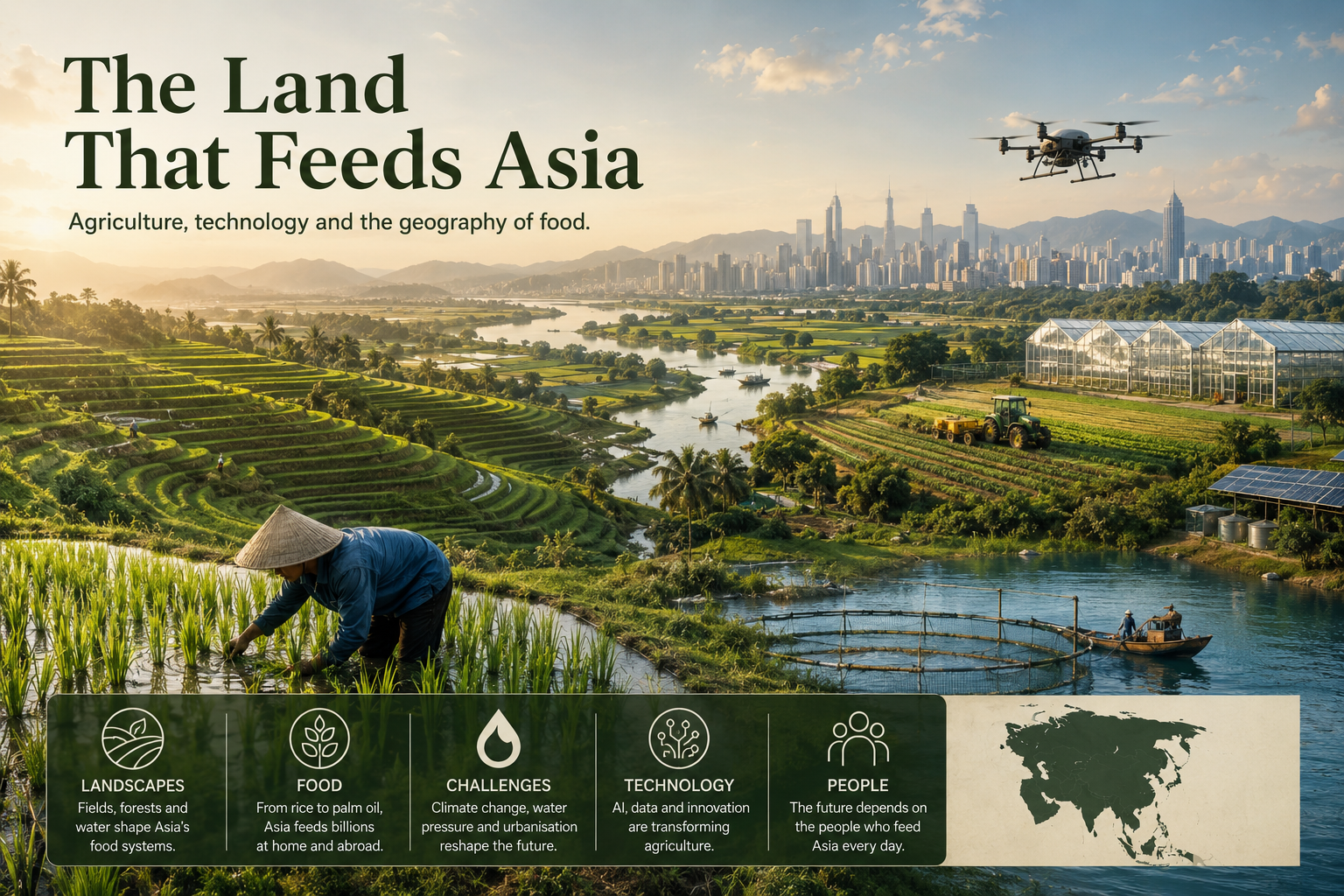
Beyond Asia’s megacities lies a vast agricultural landscape that feeds billions. The Land That Feeds Asia explores how land, water, technology, food production and demographic change are reshaping one of the world’s most essential systems.
