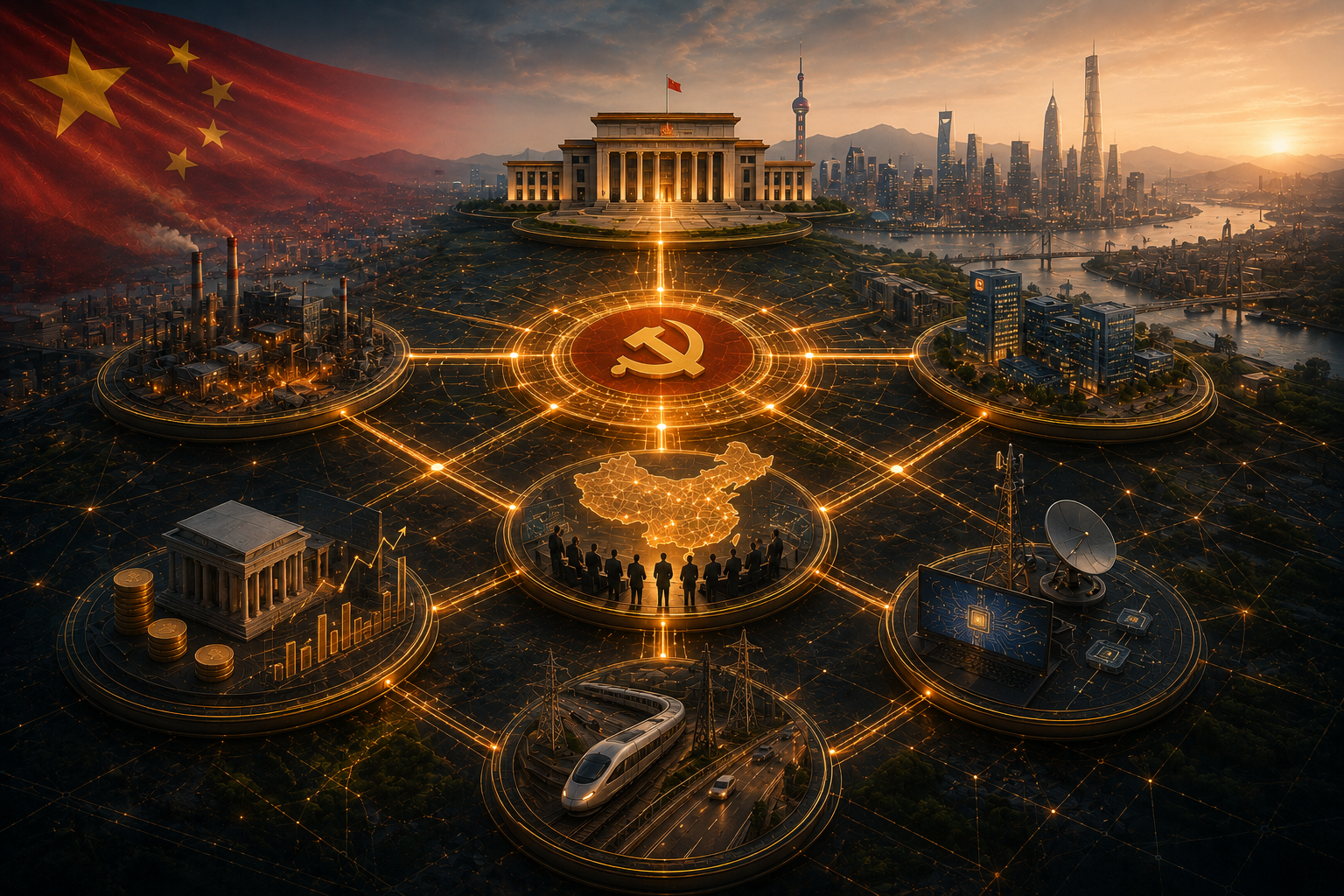
Many observers focus on China’s government or its companies. Yet understanding modern China requires examining the institution that connects them. The Communist Party functions not only as a political organisation, but also as a coordinating mechanism that links state institutions, economic development and long-term national priorities.
Latest Articles
Stay up to date with the latest reporting, analysis and commentary shaping Asia and the wider Indo-Pacific..

European companies and Chinese companies often compete in the same markets. Yet they frequently operate within very different economic architectures. Understanding those differences helps explain why debates about subsidies, trade and industrial policy have become increasingly central to relations between Europe and China.

Why does China invest hundreds of billions in semiconductors, artificial intelligence, batteries and high-speed rail? The answer lies in how Beijing views economic development. Many technologies are not seen as commercial sectors alone, but as strategic infrastructure that underpins future national power.

China is often described as communist, capitalist or something in between. Yet modern China operates through a distinctive hybrid system in which markets drive growth and innovation while the state retains the authority to guide economic development and long-term national priorities.
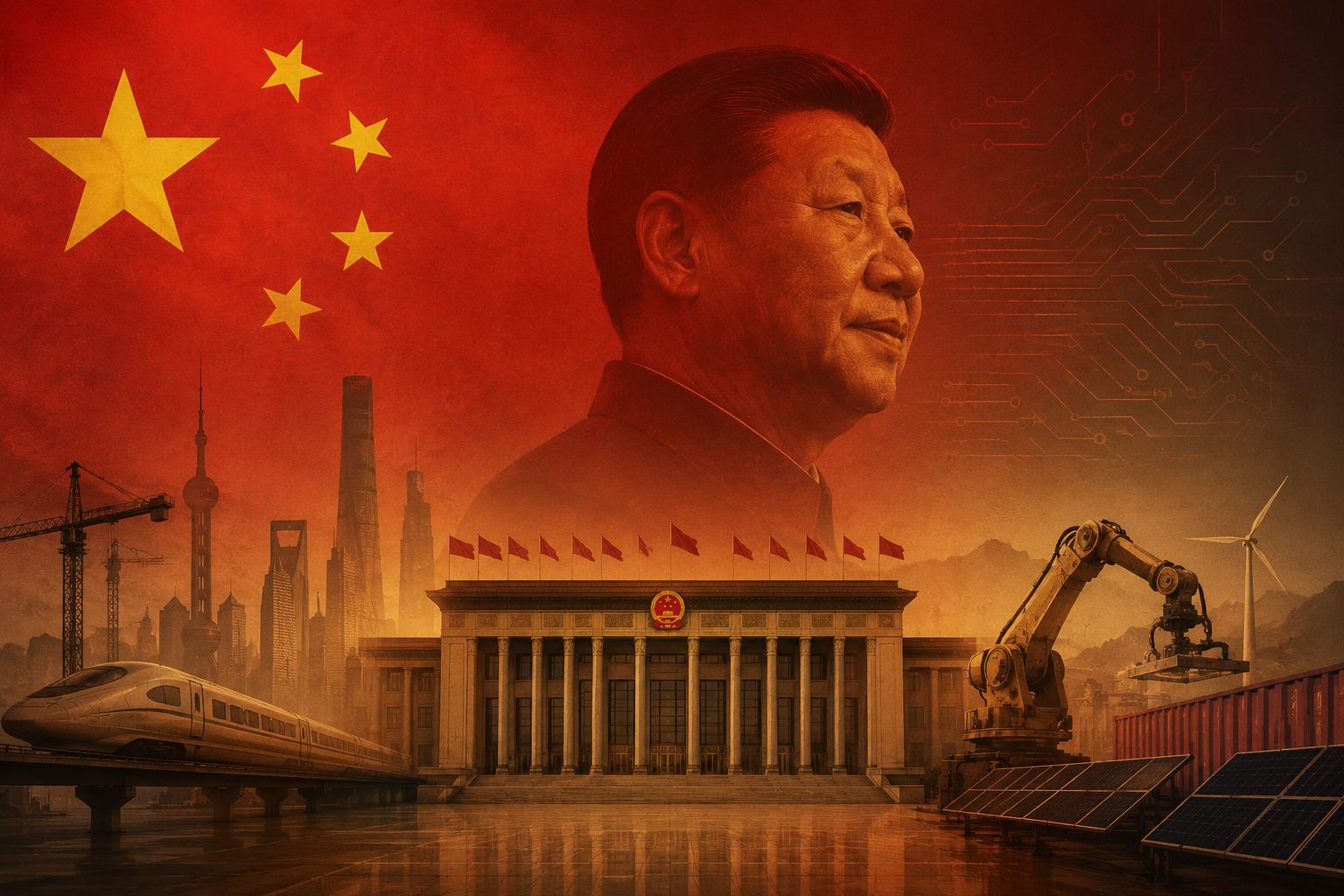
China’s economic rise is often viewed through the lens of growth, technology and geopolitics. This series explores the institutional architecture behind that rise and examines how state coordination, industrial policy and strategic planning shape economic power in the twenty-first century.
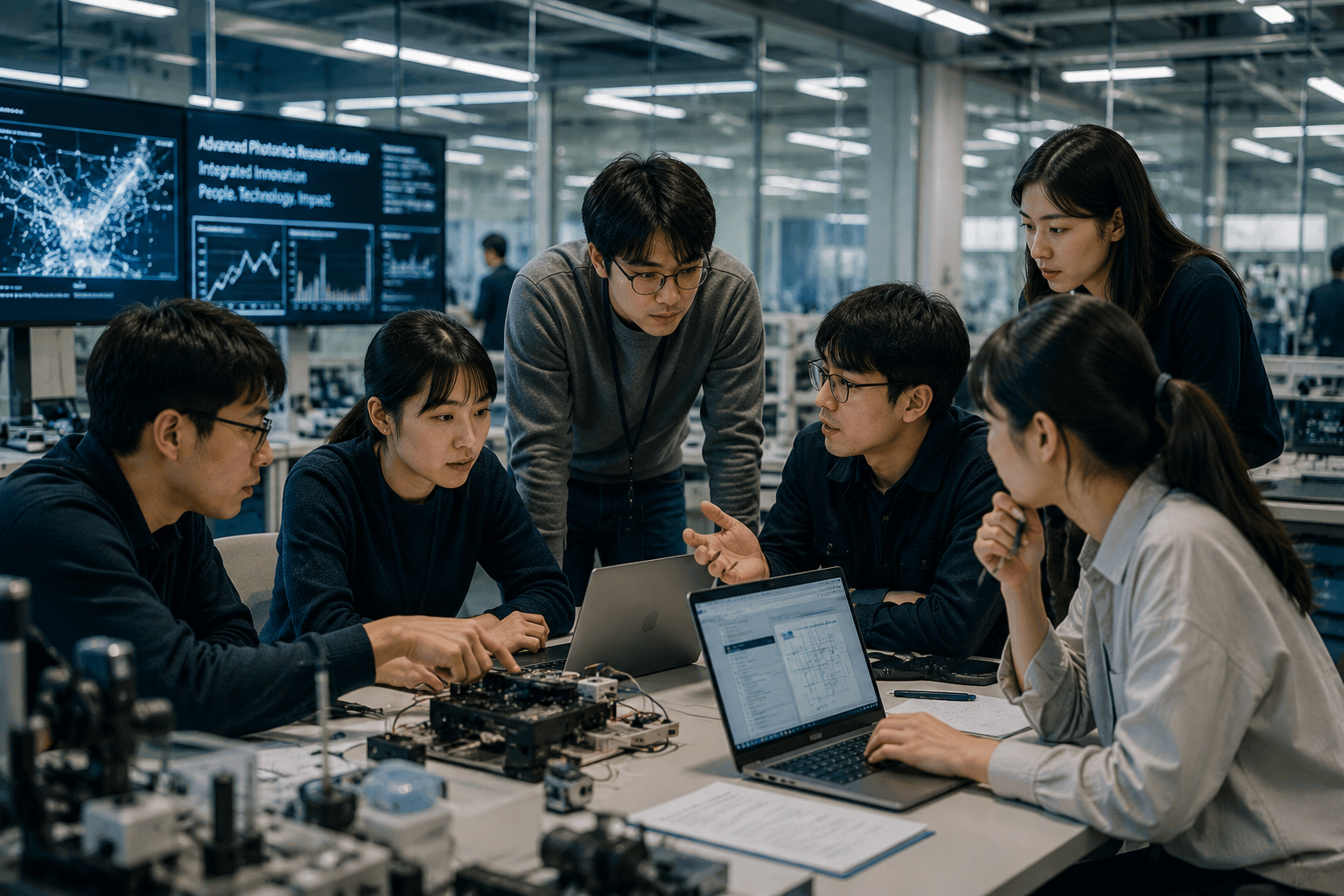
Across Asia, universities are increasingly becoming part of coordinated talent systems designed to support innovation, industrial capacity and national competitiveness. Education is evolving from a social institution into strategic infrastructure for generating the capabilities that shape future economic power.
