
China is often described as communist, capitalist or something in between. Yet modern China operates through a distinctive hybrid system in which markets drive growth and innovation while the state retains the authority to guide economic development and long-term national priorities.
Understanding China’s State Model
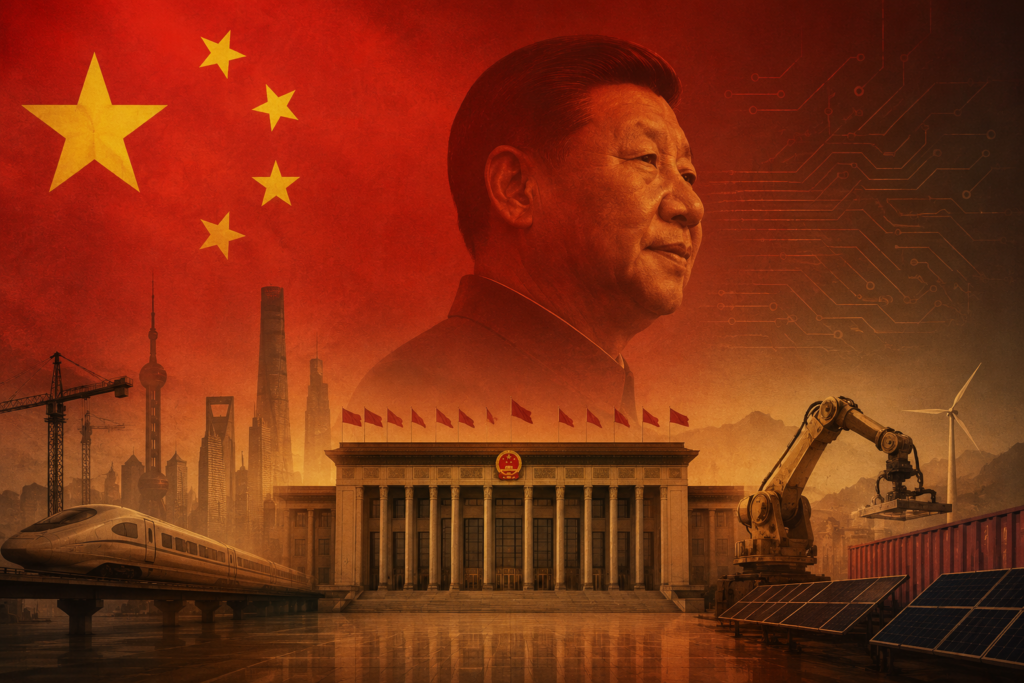
How the Chinese state shapes markets, technology and economic power
China’s rise is often discussed in terms of economic growth, technological progress and geopolitical influence. Less attention is paid to the institutional architecture behind these developments. How does the Chinese state guide economic activity and why does its model differ so fundamentally from that of Europe and North America?
This series examines the structures that connect government, industry, finance and technology within contemporary China. It explores how long-term planning, strategic investment and state coordination influence economic outcomes across sectors ranging from manufacturing and infrastructure to semiconductors and artificial intelligence.
By looking beyond individual companies and policies, the series seeks to understand China’s state model as a system—one whose growing influence is reshaping global competition and challenging long-held assumptions about how modern economies develop.

Why does China invest hundreds of billions in semiconductors, artificial intelligence, batteries and high-speed rail? The answer lies in how Beijing views economic development. Many technologies are not seen as commercial sectors alone, but as strategic infrastructure that underpins future national power.

European companies and Chinese companies often compete in the same markets. Yet they frequently operate within very different economic architectures. Understanding those differences helps explain why debates about subsidies, trade and industrial policy have become increasingly central to relations between Europe and China.
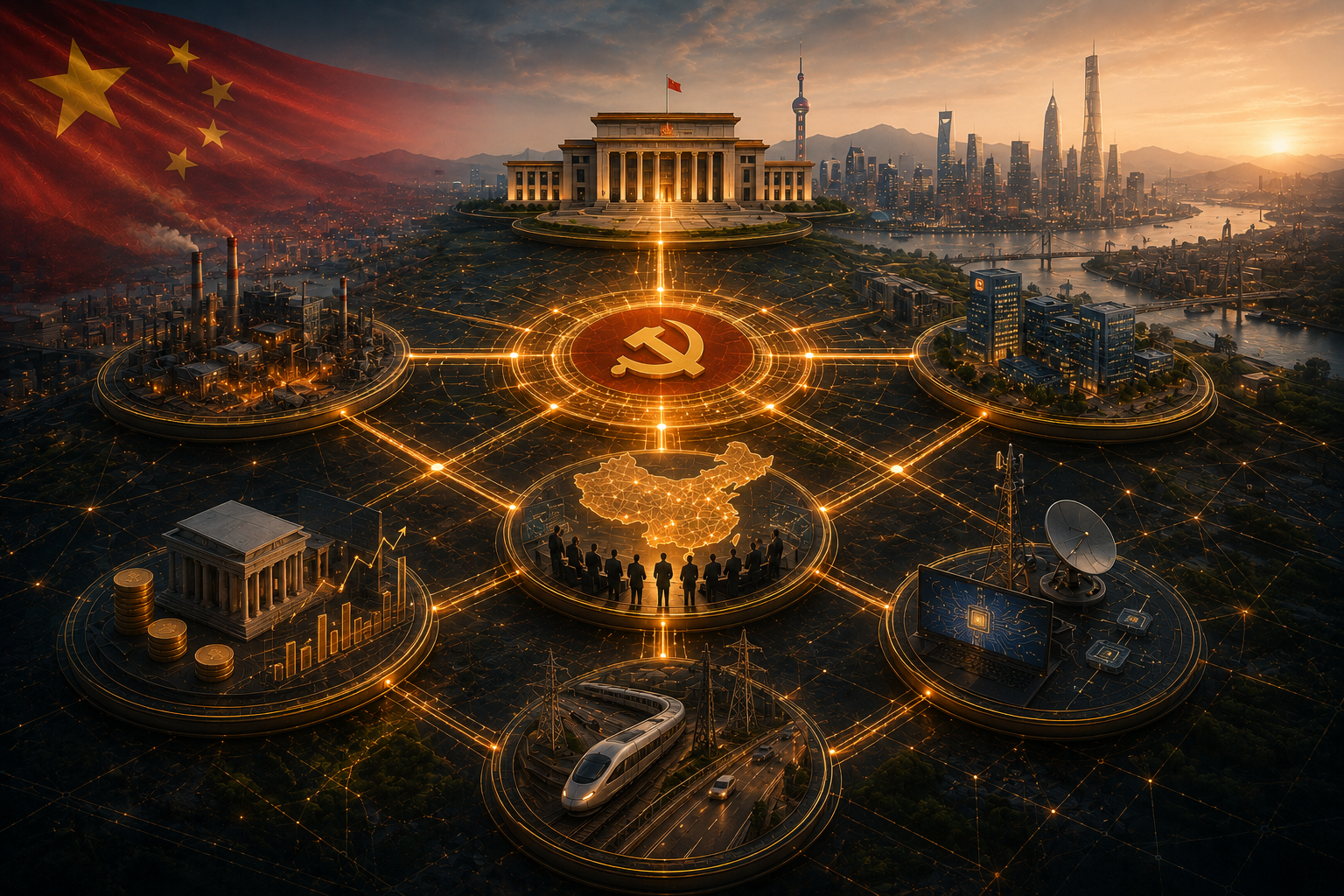
Many observers focus on China’s government or its companies. Yet understanding modern China requires examining the institution that connects them. The Communist Party functions not only as a political organisation, but also as a coordinating mechanism that links state institutions, economic development and long-term national priorities.
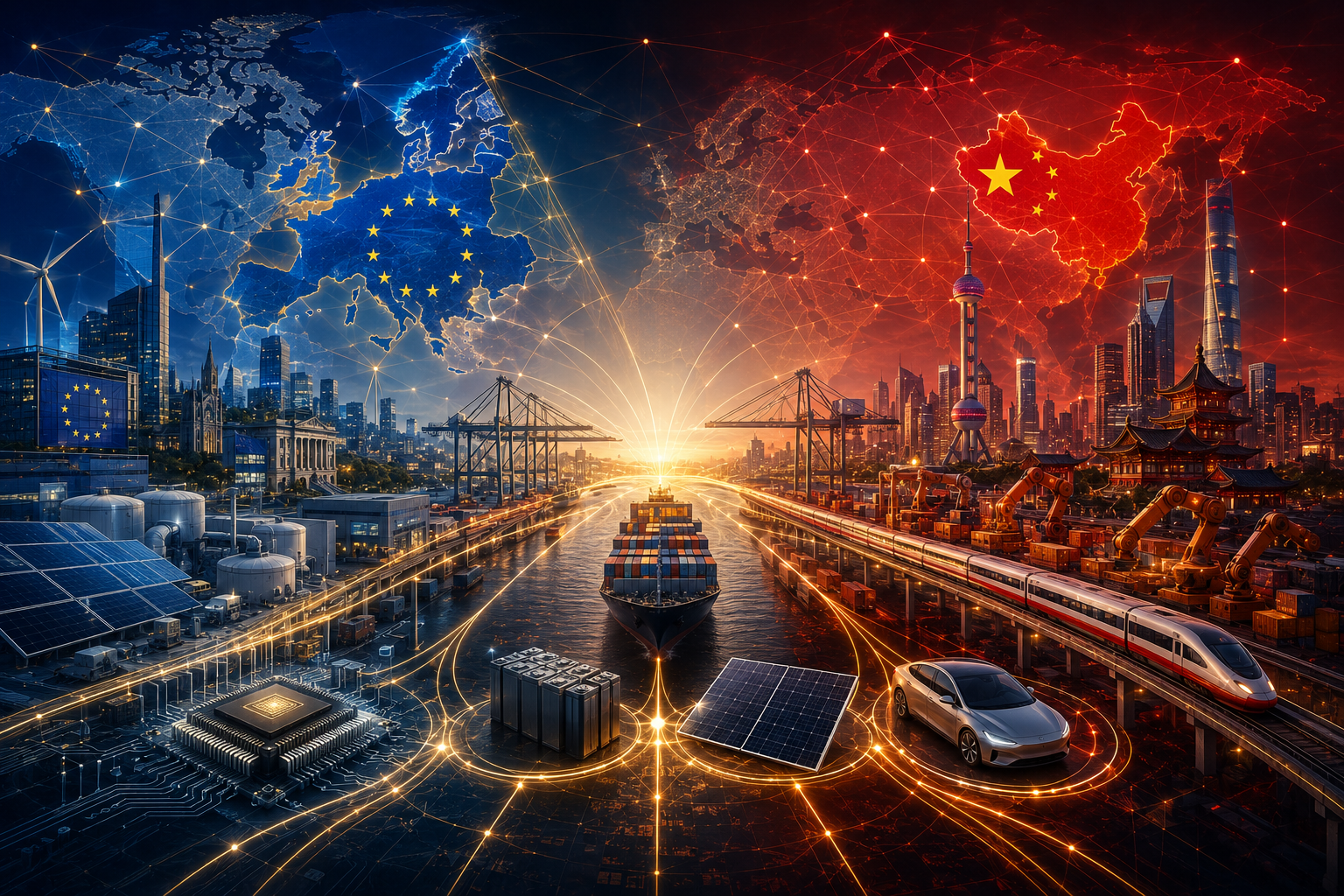
Why does Europe increasingly describe competition with China as unfair? The answer extends beyond tariffs, subsidies or trade disputes. At its core lies a deeper question: what happens when two fundamentally different economic systems compete within the same global marketplace?

China’s rise challenges one of the most enduring assumptions of the modern era: that economic development inevitably follows a Western path. As China’s influence expands through infrastructure, technology and institutions, a deeper question is emerging. Can there be more than one path to modernity?
