Saturday, September 19, 2026

Asia does not lack capital. It has sovereign wealth, corporate balance sheets, public markets and state-backed finance. This Altair Media Asia series examines the people and institutions shaping how that capital is directed towards infrastructure, industry and the next physical economy.
Read More
Wednesday, September 9, 2026

AI is pushing semiconductor manufacturing in two directions at once: transistors are shrinking, while the infrastructure needed to produce advanced chips is becoming larger, more complex and increasingly dependent on coordination across Europe and East Asia.
Read More
Saturday, August 29, 2026

Hong Kong was built through movement and connection. Migration, Cantonese culture, colonial institutions, manufacturing, finance and extraordinary urban density created a society between worlds—one whose future now depends on redefining what it connects.
Read More
Friday, August 28, 2026

For decades, Indonesia exported raw materials while much of the economic value was created elsewhere. Today, the country is pursuing a different strategy: transforming natural resources into industrial ecosystems that strengthen long-term competitiveness and reshape its position in global supply chains.
Read More
Sunday, August 16, 2026
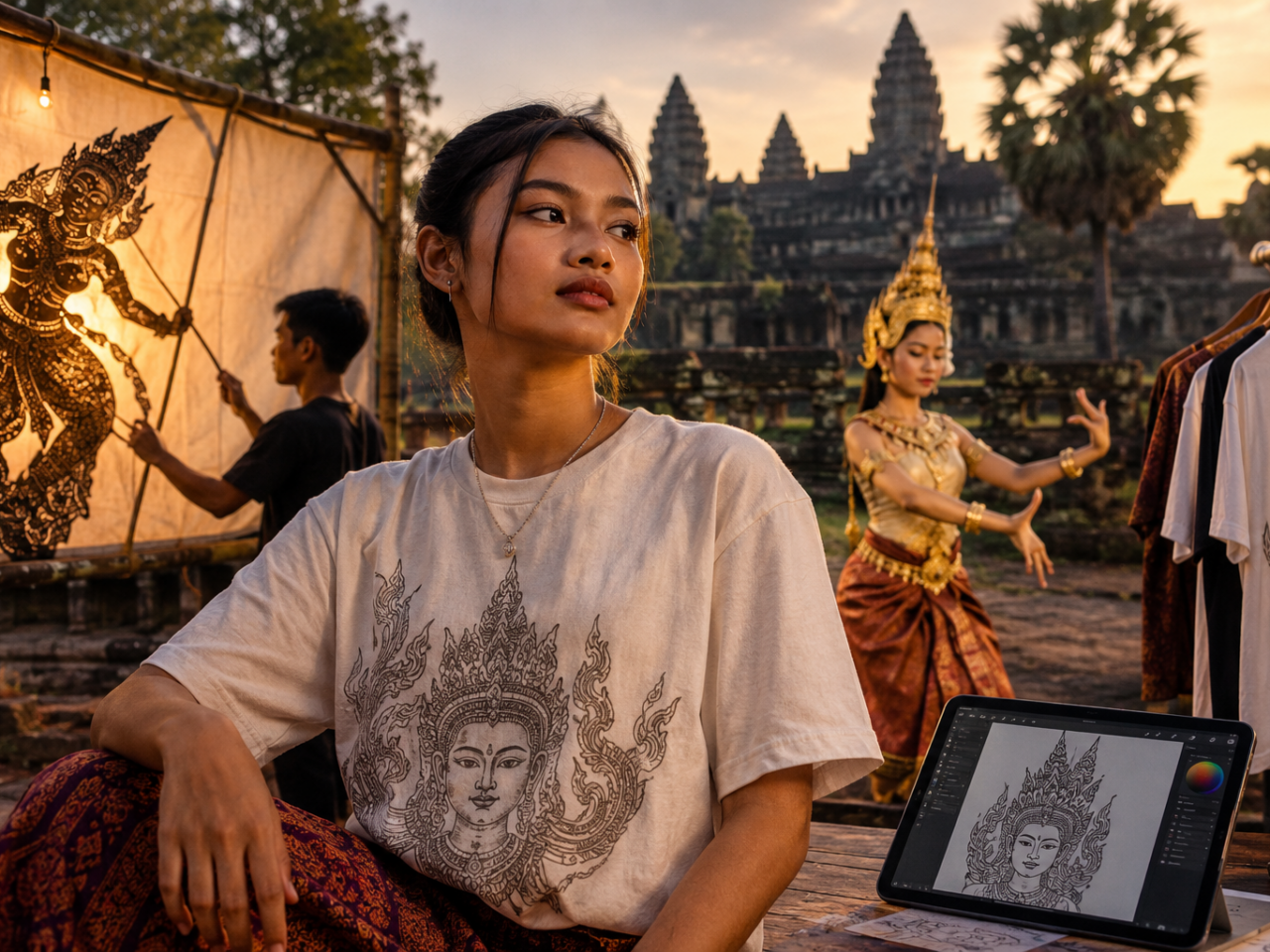
A new generation of Cambodian designers, dancers and artists is rediscovering Khmer culture — transforming ancient symbols, traditional performance and inherited craft into fashion, digital art and contemporary forms of expression.
Read More
Sunday, August 9, 2026
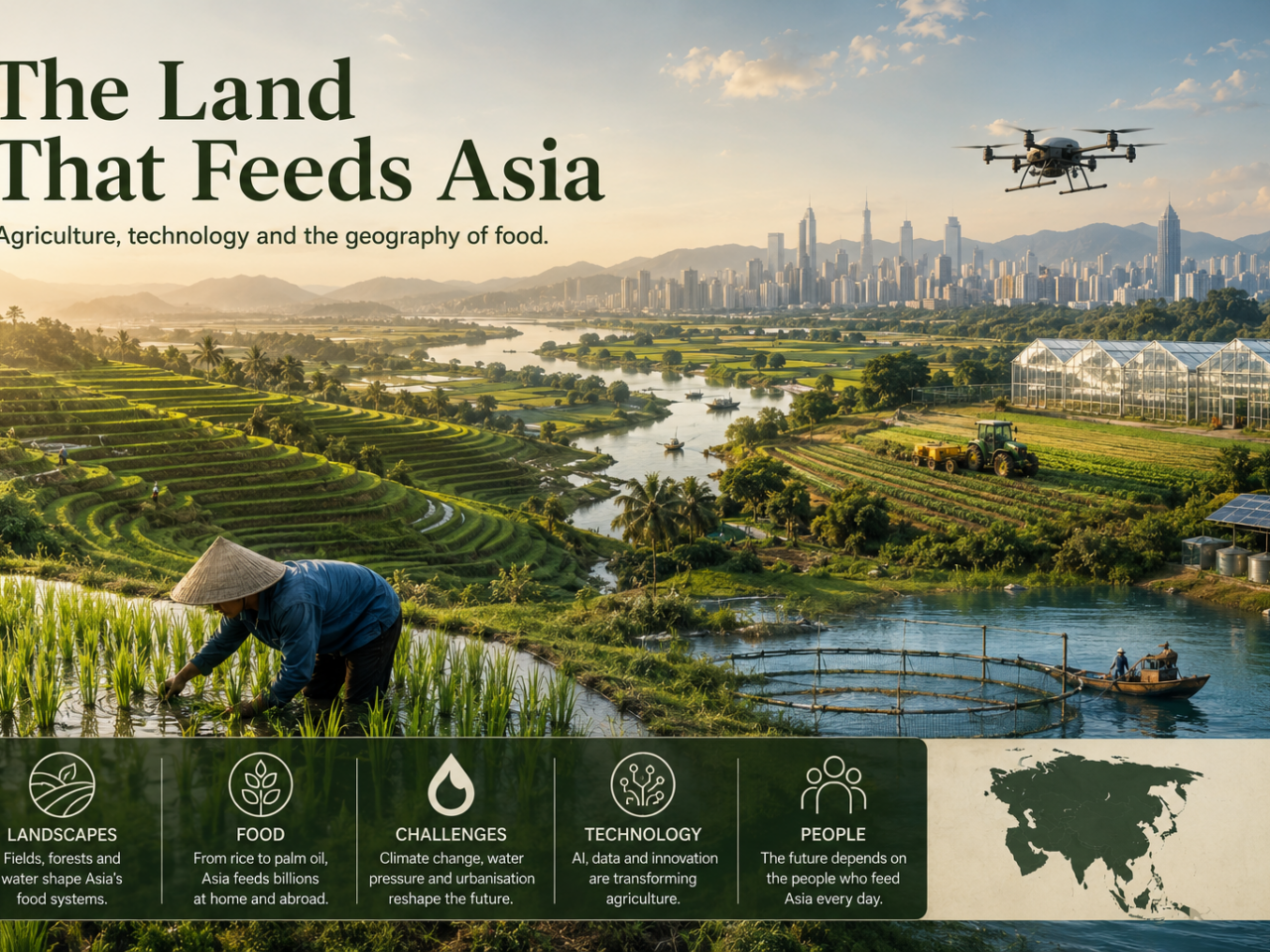
Beyond Asia’s megacities lies a vast agricultural landscape that feeds billions. The Land That Feeds Asia explores how land, water, technology, food production and demographic change are reshaping one of the world’s most essential systems.
Read More
Sunday, August 9, 2026

Taiwan is more than semiconductors and geopolitics. Shaped by migration, colonial history, democratisation and technological ambition, the island has developed a distinctive society whose identity continues to evolve through the many historical layers it carries.
Read More
Sunday, August 2, 2026

In Kuala Lumpur, shopping malls have evolved beyond retail. Shaped by climate, mobility and urban density, they increasingly function as places where people meet, work and spend time—raising a broader question about how cities organise public life in the twenty-first century.
Read More
Saturday, August 1, 2026

China is often viewed through geopolitics and economic competition. This portrait explores the deeper foundations of Chinese society, revealing how history, civilisation and statecraft continue to shape one of the world’s most influential nations.
Read More
Saturday, August 1, 2026

Greater China explores four societies shaped by a shared civilisation but different historical paths. Through culture, institutions, technology and statecraft, the series examines how one of the world’s oldest civilisations continues to influence four distinct models of modern development.
Read More
