Sunday, October 11, 2026
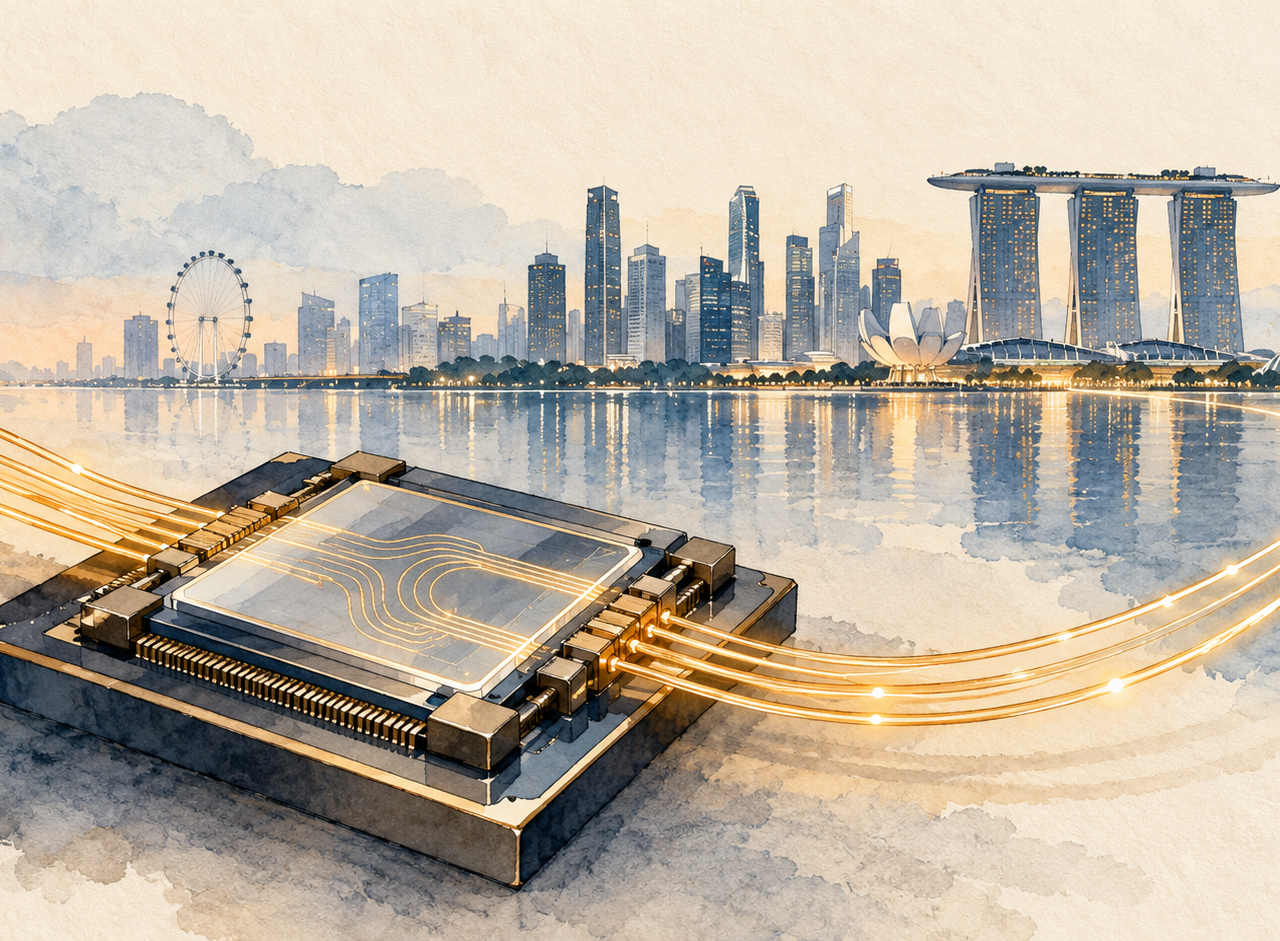
Singapore’s photonics ambitions are entering their industrial test. AMF’s integration into GlobalFoundries and a new packaging agreement create routes to scale—but lasting influence will depend on reliable production, customer adoption and the expertise Singapore retains.
Read More
Thursday, October 1, 2026
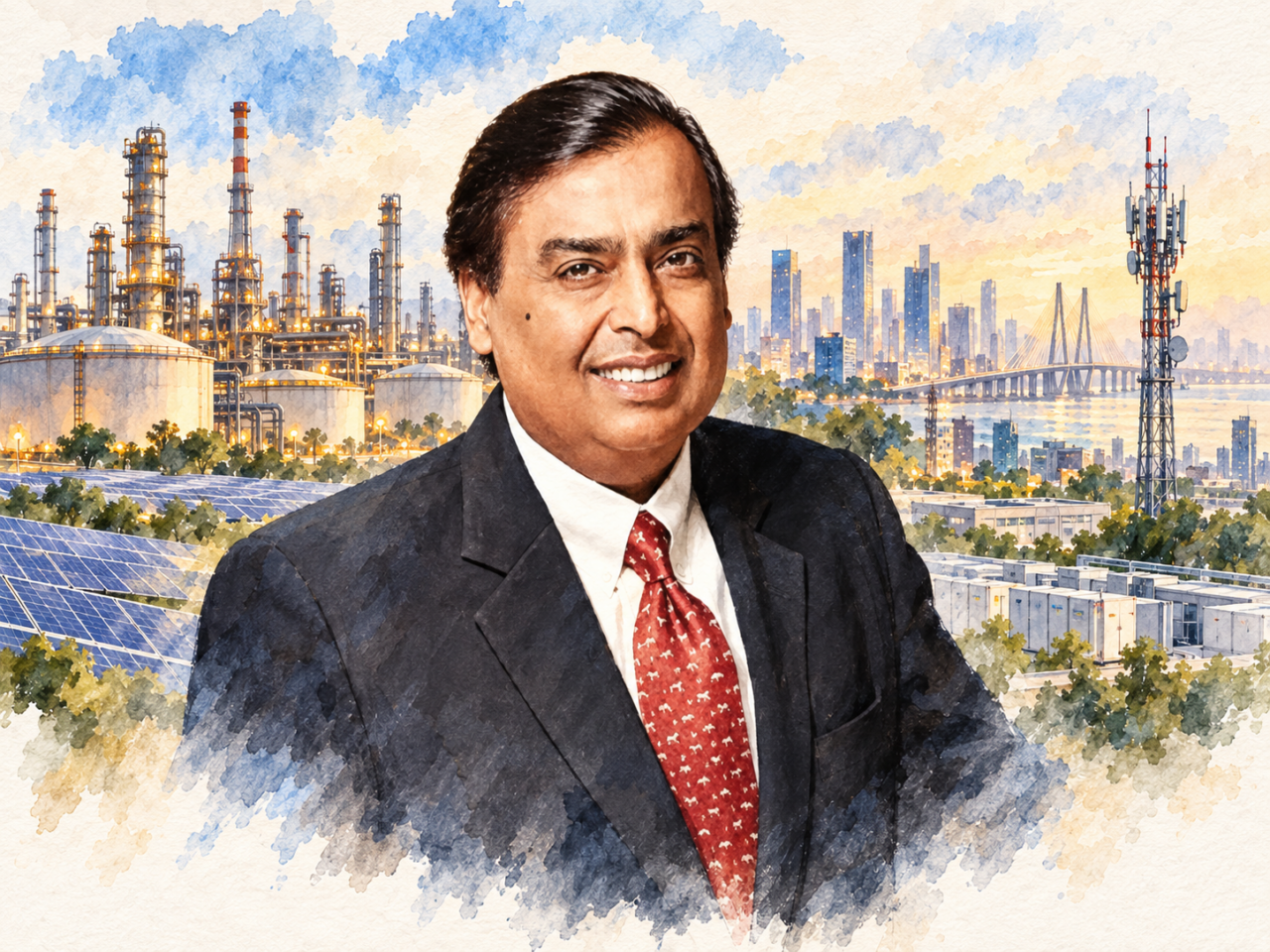
Mukesh Ambani’s real power lies not only in the size of Reliance, but in how he uses its balance sheet. Profits from mature businesses can finance new industries long before public markets are ready to price them.
Read More
Tuesday, September 22, 2026
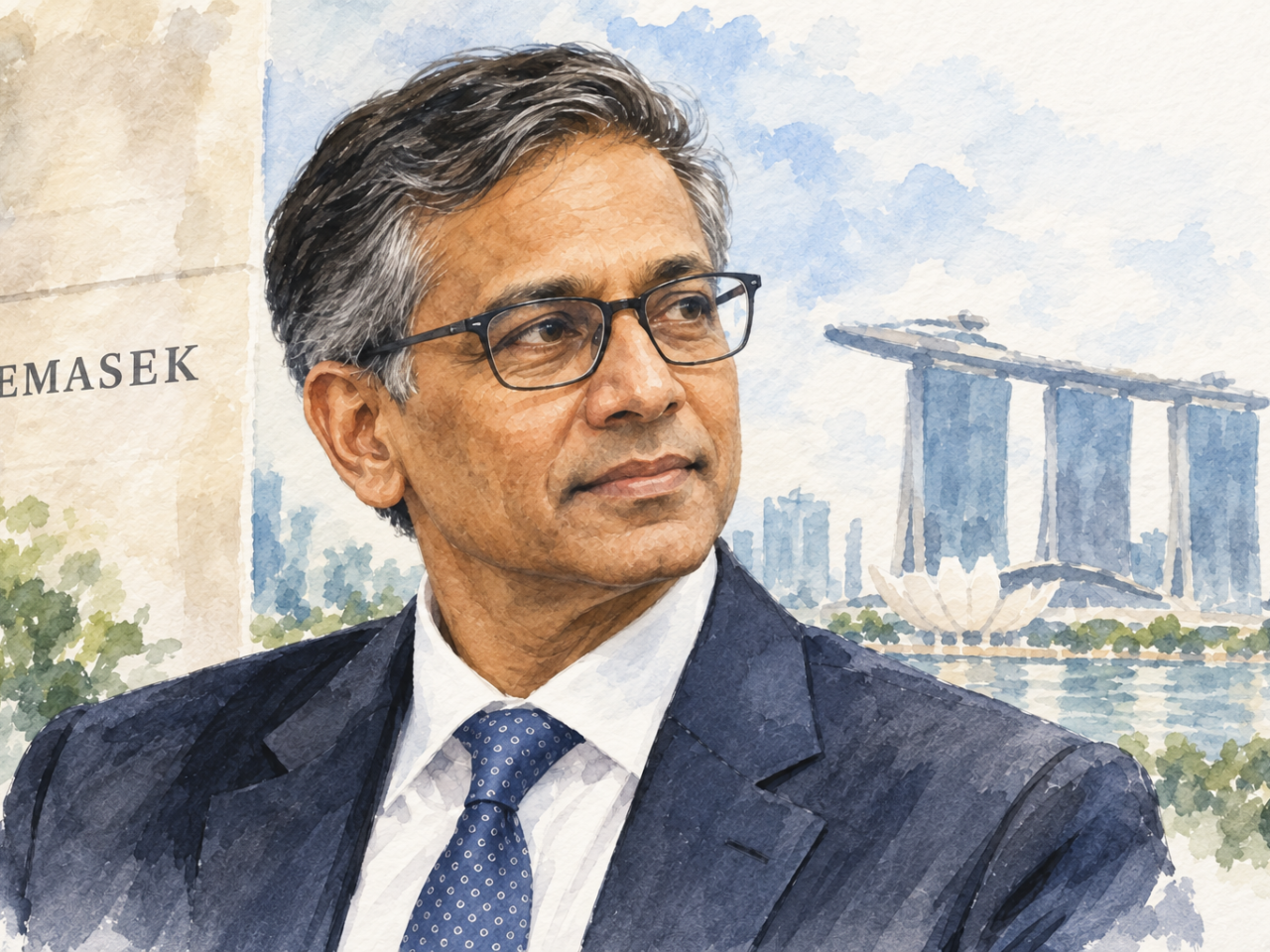
Temasek is state-owned, but it is not a ministry. Through Dilhan Pillay, Altair Media examines how Singapore combines public ownership, commercial discipline and patient capital to invest across AI, infrastructure, energy and long-term economic transitions.
Read More
Wednesday, September 9, 2026

AI is pushing semiconductor manufacturing in two directions at once: transistors are shrinking, while the infrastructure needed to produce advanced chips is becoming larger, more complex and increasingly dependent on coordination across Europe and East Asia.
Read More
Wednesday, July 29, 2026

Samsung Electro-Mechanics rarely appears in headlines, yet its microscopic components power the world’s most advanced technologies. From AI servers and electric vehicles to smartphones and robotics, the company demonstrates that modern innovation increasingly depends on invisible engineering rather than visible products.
Read More
Friday, July 24, 2026

Across Asia, governments are building increasingly digital states. As cloud infrastructure, AI and digital public services become part of national governance, Meridian Exchange 2026 explores how digital sovereignty is evolving into a question of resilience, trust and long-term state capacity.
Read More
Thursday, July 2, 2026

Taiwan’s semiconductor industry is often measured in market share and production capacity. Yet its deeper significance lies elsewhere: in the concentration of expertise, institutions and industrial coordination that increasingly defines technological power in the twenty-first century.
Read More
Thursday, June 18, 2026
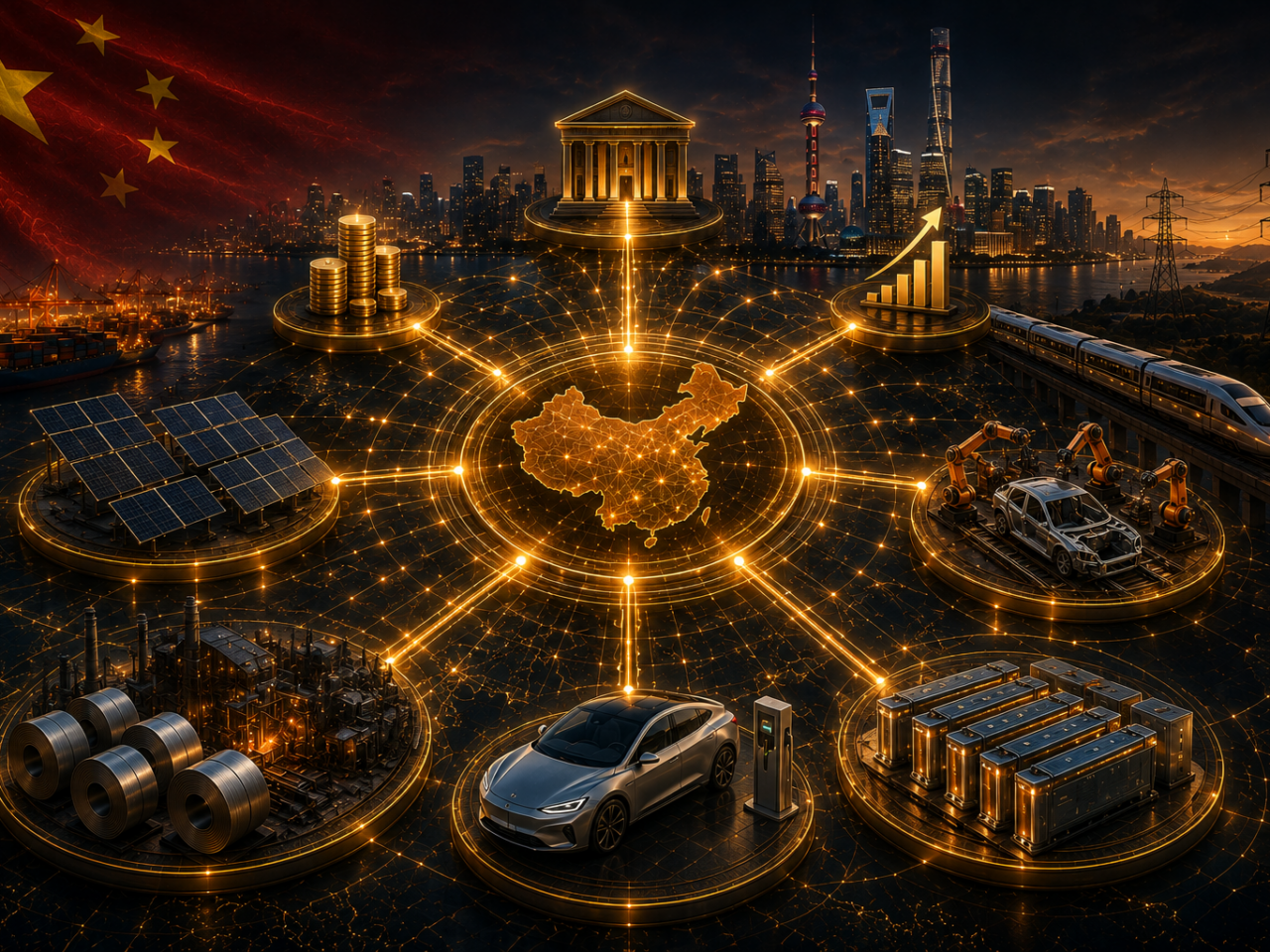
European companies and Chinese companies often compete in the same markets. Yet they frequently operate within very different economic architectures. Understanding those differences helps explain why debates about subsidies, trade and industrial policy have become increasingly central to relations between Europe and China.
Read More
Thursday, June 18, 2026

Why does China invest hundreds of billions in semiconductors, artificial intelligence, batteries and high-speed rail? The answer lies in how Beijing views economic development. Many technologies are not seen as commercial sectors alone, but as strategic infrastructure that underpins future national power.
Read More
Saturday, June 6, 2026
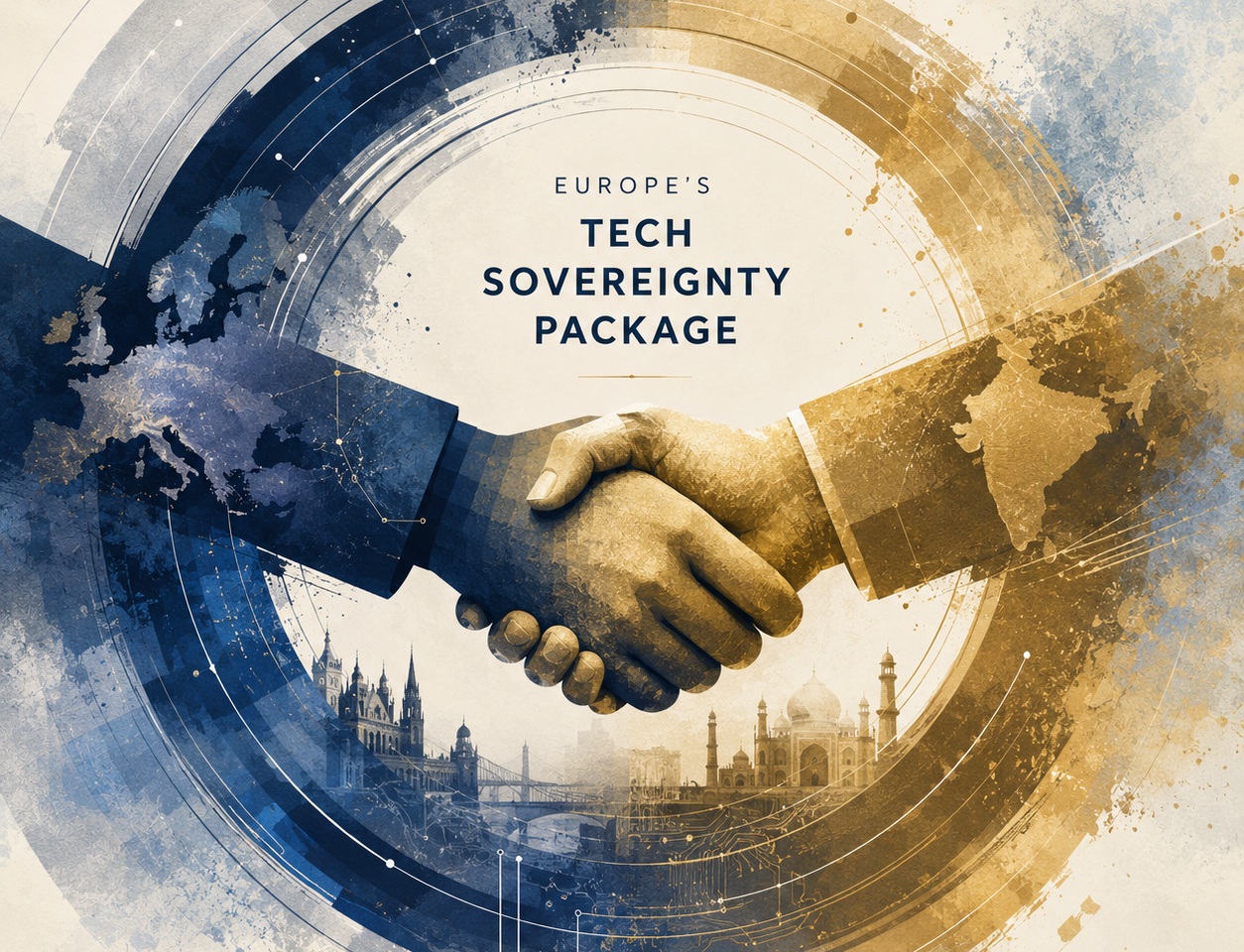
Europe’s technology strategy is not about isolation. It is about resilience through partnership. As Europe builds its capabilities in semiconductors, cloud infrastructure and artificial intelligence, cooperation with India on talent, digital infrastructure and innovation could help shape the next era of global technology.
Read More
