
Why does China invest hundreds of billions in semiconductors, artificial intelligence, batteries and high-speed rail? The answer lies in how Beijing views economic development. Many technologies are not seen as commercial sectors alone, but as strategic infrastructure that underpins future national power.
Technology
Technology drives innovation, productivity and global competitiveness across Asia’s rapidly evolving economies.

Europe’s technology strategy is not about isolation. It is about resilience through partnership. As Europe builds its capabilities in semiconductors, cloud infrastructure and artificial intelligence, cooperation with India on talent, digital infrastructure and innovation could help shape the next era of global technology.
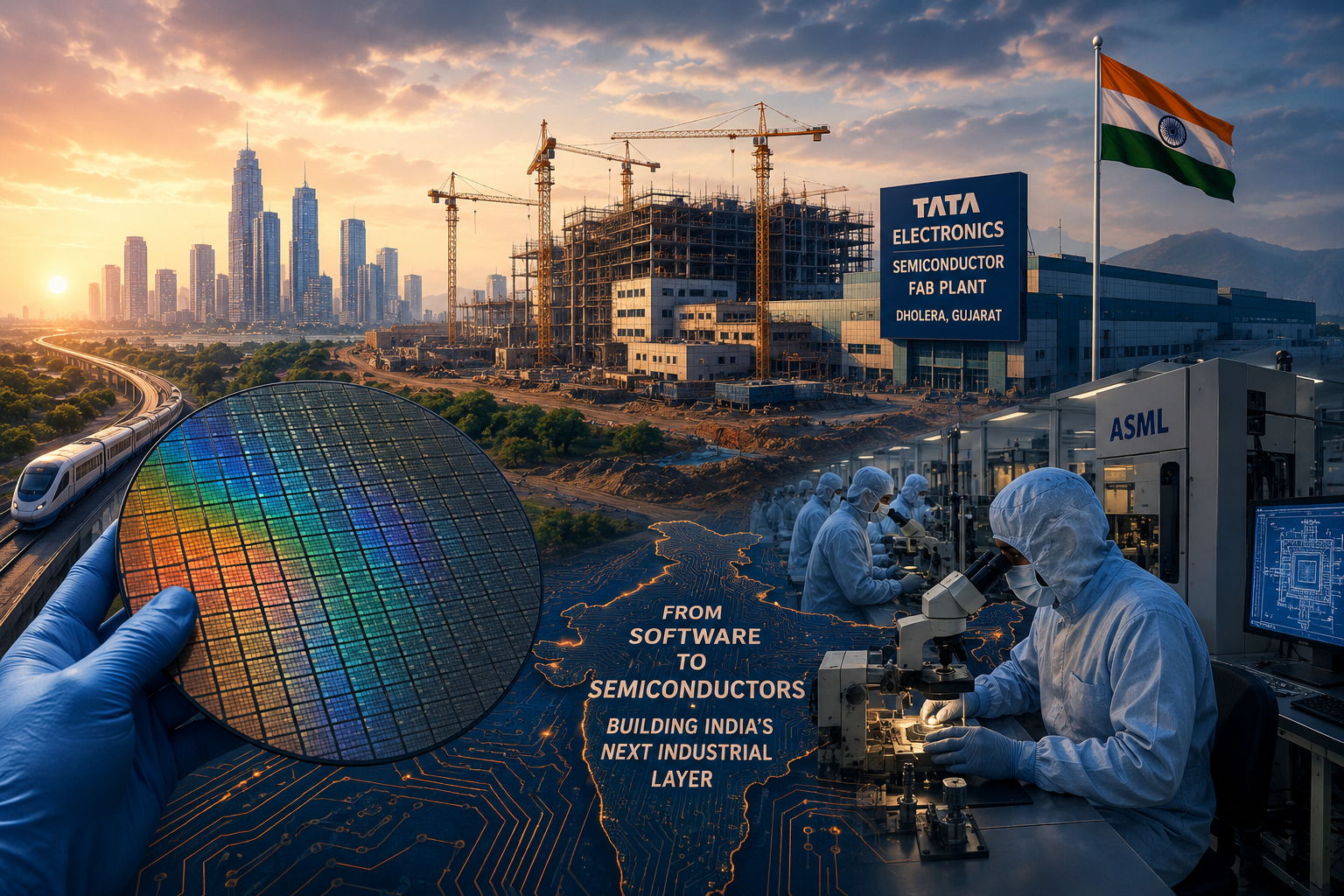
India’s semiconductor ambitions are often described as a technology story. Increasingly, they look like something deeper: a shift from software to industrial capability, from talent to ecosystems, and from participation in global supply chains to becoming indispensable within them.
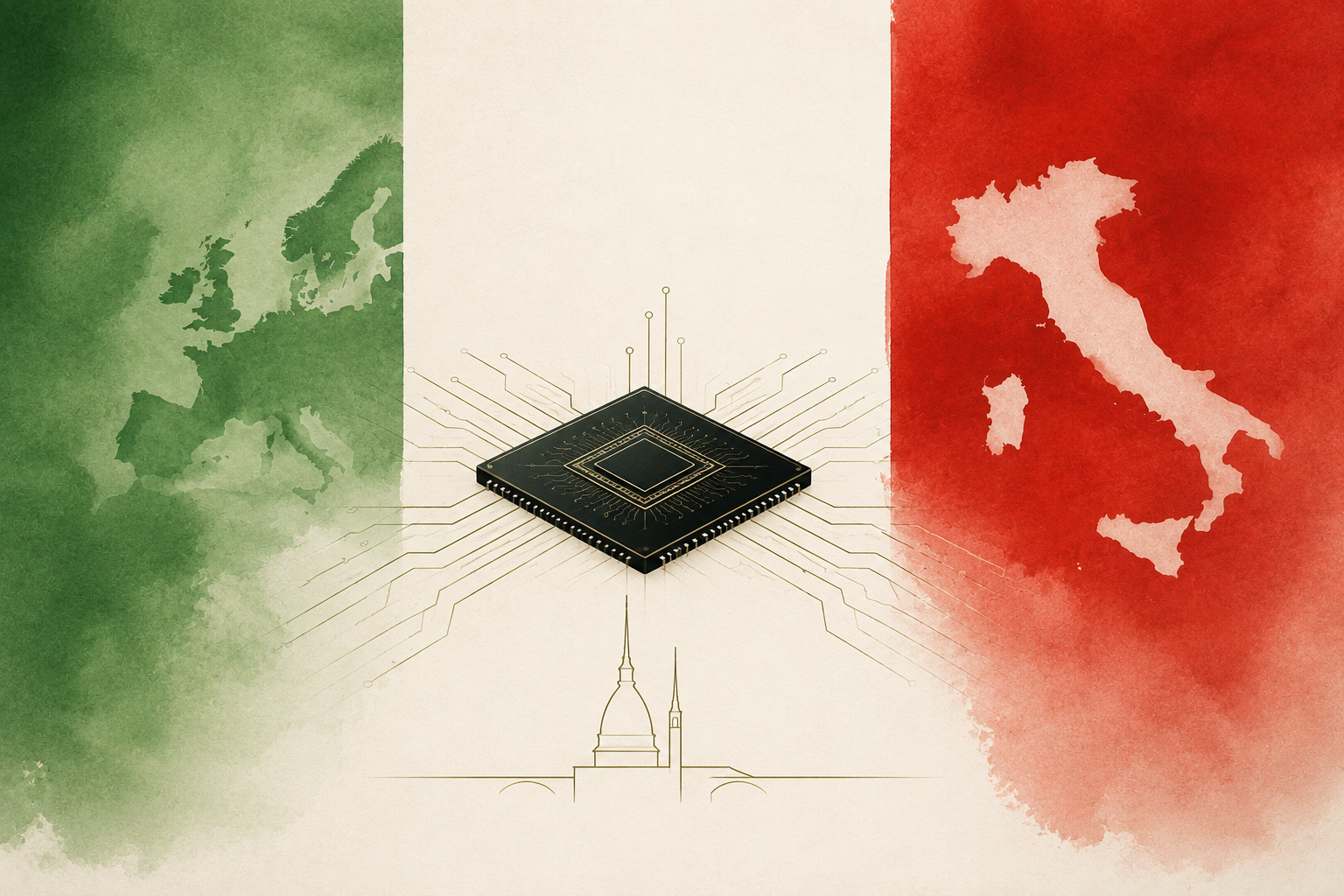
As AI infrastructure transforms the semiconductor industry, Europe is quietly shifting its strategy away from full technological autonomy and toward a model built around critical infrastructure, systems integration and technological indispensability.

As artificial intelligence accelerates global demand for data, Kioxia quietly powers the memory layer beneath the digital economy. From enterprise SSDs to advanced NAND flash, the former Toshiba Memory remains a critical but often overlooked pillar of modern computing infrastructure.

ASML and Tata Electronics have signed an agreement supporting India’s semiconductor ambitions. As India aims to build at least ten advanced chip facilities, the country is shifting from a software-focused technology economy toward strategic industrial manufacturing capacity.
