Friday, June 19, 2026

Why does Europe increasingly describe competition with China as unfair? The answer extends beyond tariffs, subsidies or trade disputes. At its core lies a deeper question: what happens when two fundamentally different economic systems compete within the same global marketplace?
Read More
Friday, June 19, 2026
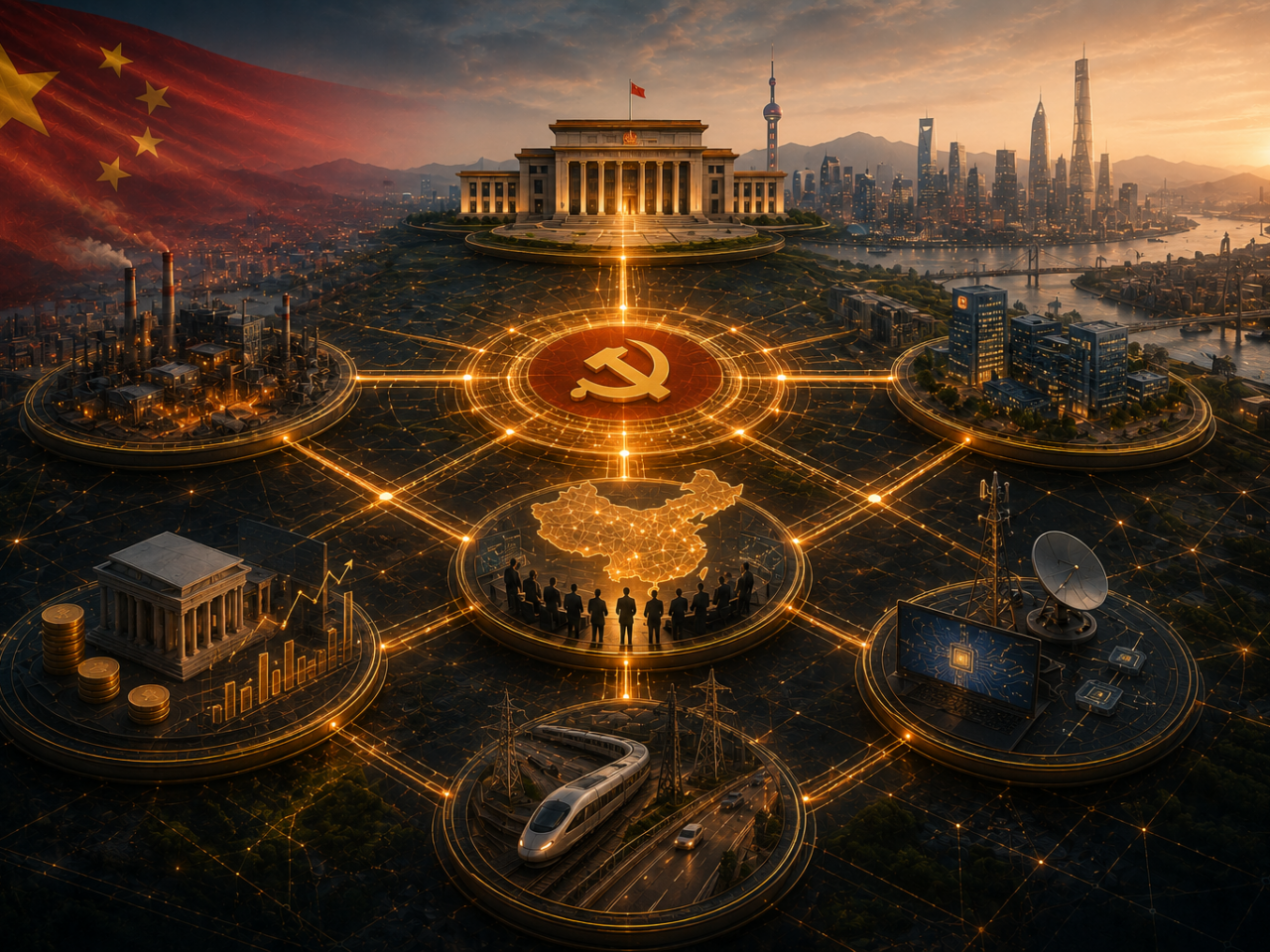
Many observers focus on China’s government or its companies. Yet understanding modern China requires examining the institution that connects them. The Communist Party functions not only as a political organisation, but also as a coordinating mechanism that links state institutions, economic development and long-term national priorities.
Read More
Thursday, June 18, 2026
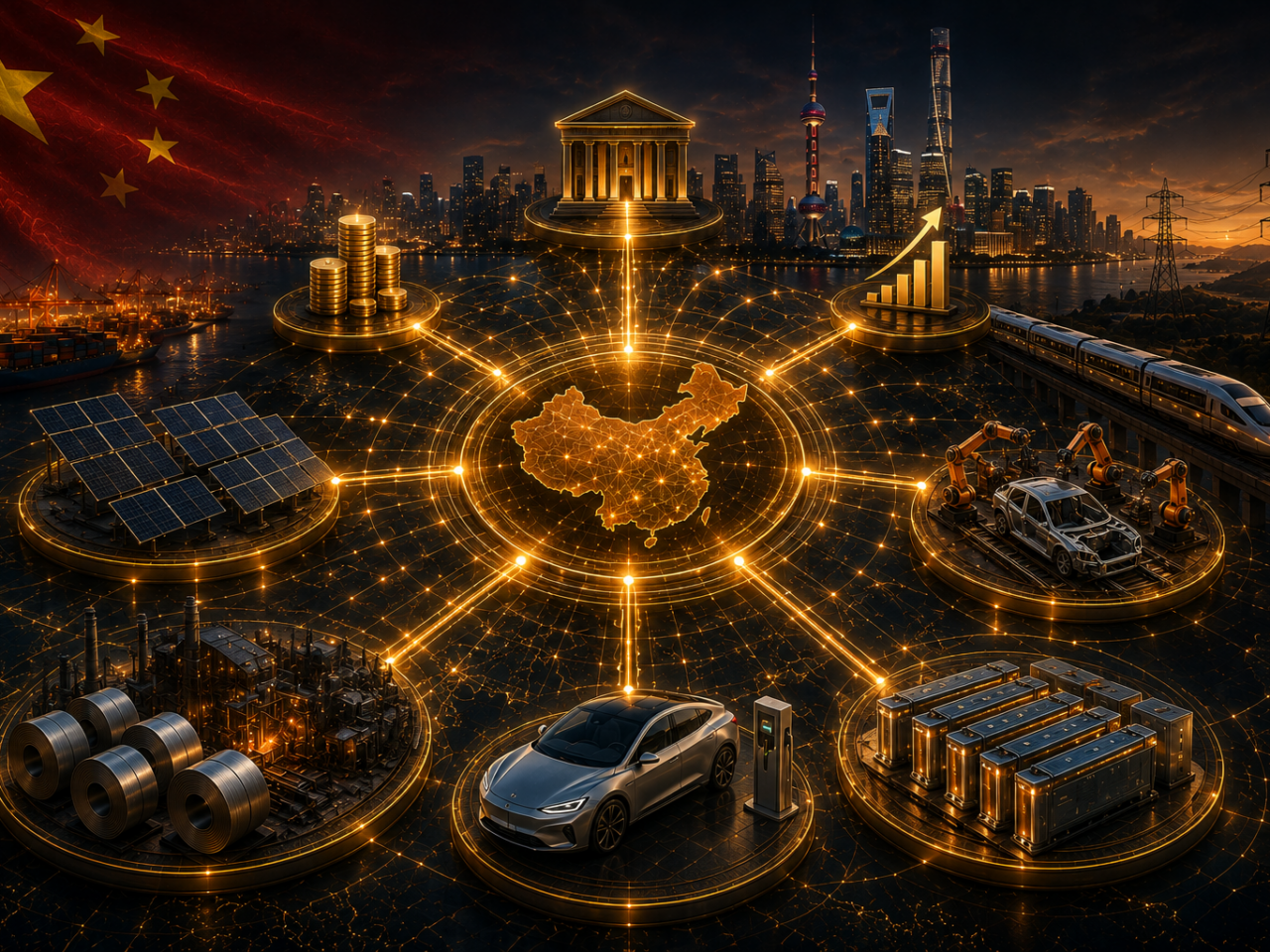
European companies and Chinese companies often compete in the same markets. Yet they frequently operate within very different economic architectures. Understanding those differences helps explain why debates about subsidies, trade and industrial policy have become increasingly central to relations between Europe and China.
Read More
Thursday, June 18, 2026

Why does China invest hundreds of billions in semiconductors, artificial intelligence, batteries and high-speed rail? The answer lies in how Beijing views economic development. Many technologies are not seen as commercial sectors alone, but as strategic infrastructure that underpins future national power.
Read More
Thursday, June 18, 2026

China is often described as communist, capitalist or something in between. Yet modern China operates through a distinctive hybrid system in which markets drive growth and innovation while the state retains the authority to guide economic development and long-term national priorities.
Read More
Wednesday, June 17, 2026

China’s economic rise is often viewed through the lens of growth, technology and geopolitics. This series explores the institutional architecture behind that rise and examines how state coordination, industrial policy and strategic planning shape economic power in the twenty-first century.
Read More
Monday, June 1, 2026

India’s semiconductor ambitions are often described as a technology story. Increasingly, they look like something deeper: a shift from software to industrial capability, from talent to ecosystems, and from participation in global supply chains to becoming indispensable within them.
Read More
Friday, March 20, 2026

China is no longer trying to revive demand-driven growth. Instead, policy is shifting toward strategic industries that strengthen technological control and export capacity, signaling a deeper transition from cyclical stimulus to a production-focused economic model built for long-term resilience.
Read More
Wednesday, December 31, 2025

South Korea occupies a distinctive position in Asia’s technology landscape. Neither a Silicon Valley–style free market nor a fully state-directed system, the country has refined a hybrid model in which government capacity, industrial champions and digital platforms reinforce one another. At the heart of this model lies a conviction that technology infrastructure is not merely an economic sector, but a core instrument of national competitiveness.
Read More
Monday, December 29, 2025

Japan does not approach artificial intelligence as a race to be won. There are no grand declarations about supremacy, no promises of disruption at scale. Instead, AI in Japan emerges quietly, embedded in factories, hospitals and care facilities — shaped by necessity rather than ambition.
Read More
