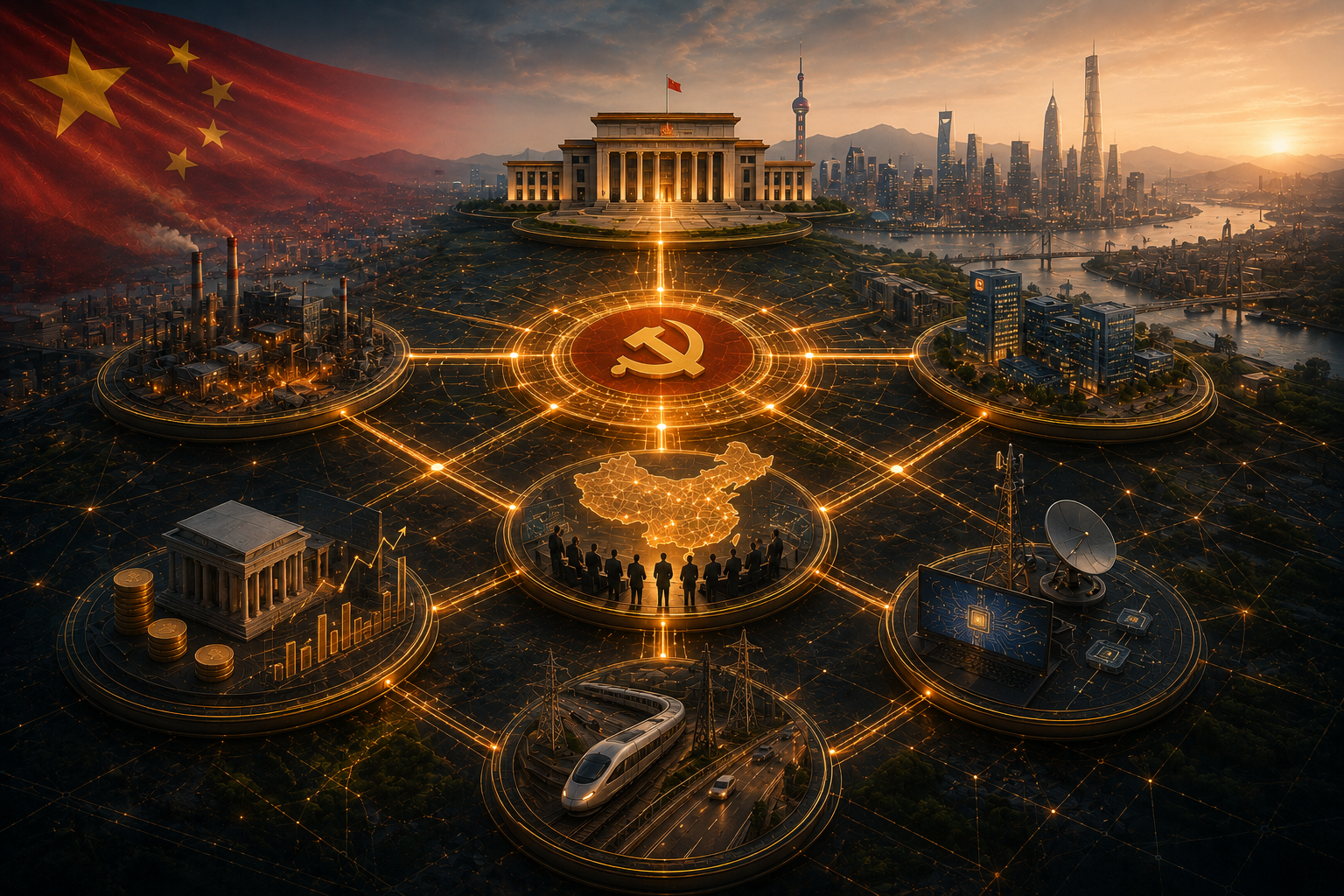
Many observers focus on China’s government or its companies. Yet understanding modern China requires examining the institution that connects them. The Communist Party functions not only as a political organisation, but also as a coordinating mechanism that links state institutions, economic development and long-term national priorities.
Governance
Governance structures shape how states manage power, stability and development across Asia.
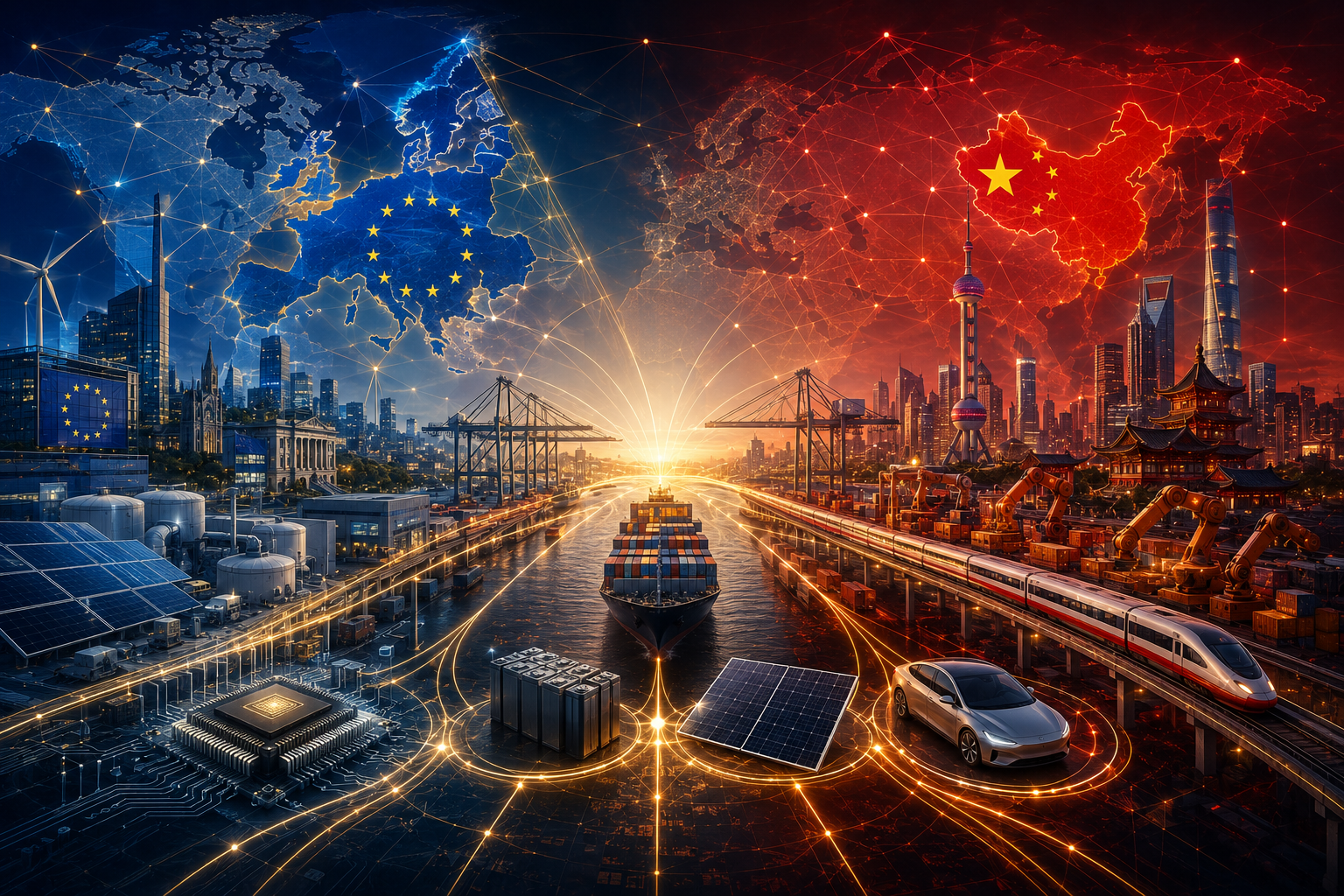
Why does Europe increasingly describe competition with China as unfair? The answer extends beyond tariffs, subsidies or trade disputes. At its core lies a deeper question: what happens when two fundamentally different economic systems compete within the same global marketplace?

China’s rise challenges one of the most enduring assumptions of the modern era: that economic development inevitably follows a Western path. As China’s influence expands through infrastructure, technology and institutions, a deeper question is emerging. Can there be more than one path to modernity?

Across Asia, governments are building increasingly digital states. As cloud infrastructure, AI and digital public services become part of national governance, Meridian Exchange 2026 explores how digital sovereignty is evolving into a question of resilience, trust and long-term state capacity.

Hong Kong was built through movement and connection. Migration, Cantonese culture, colonial institutions, manufacturing, finance and extraordinary urban density created a society between worlds—one whose future now depends on redefining what it connects.
