Wednesday, December 3, 2025
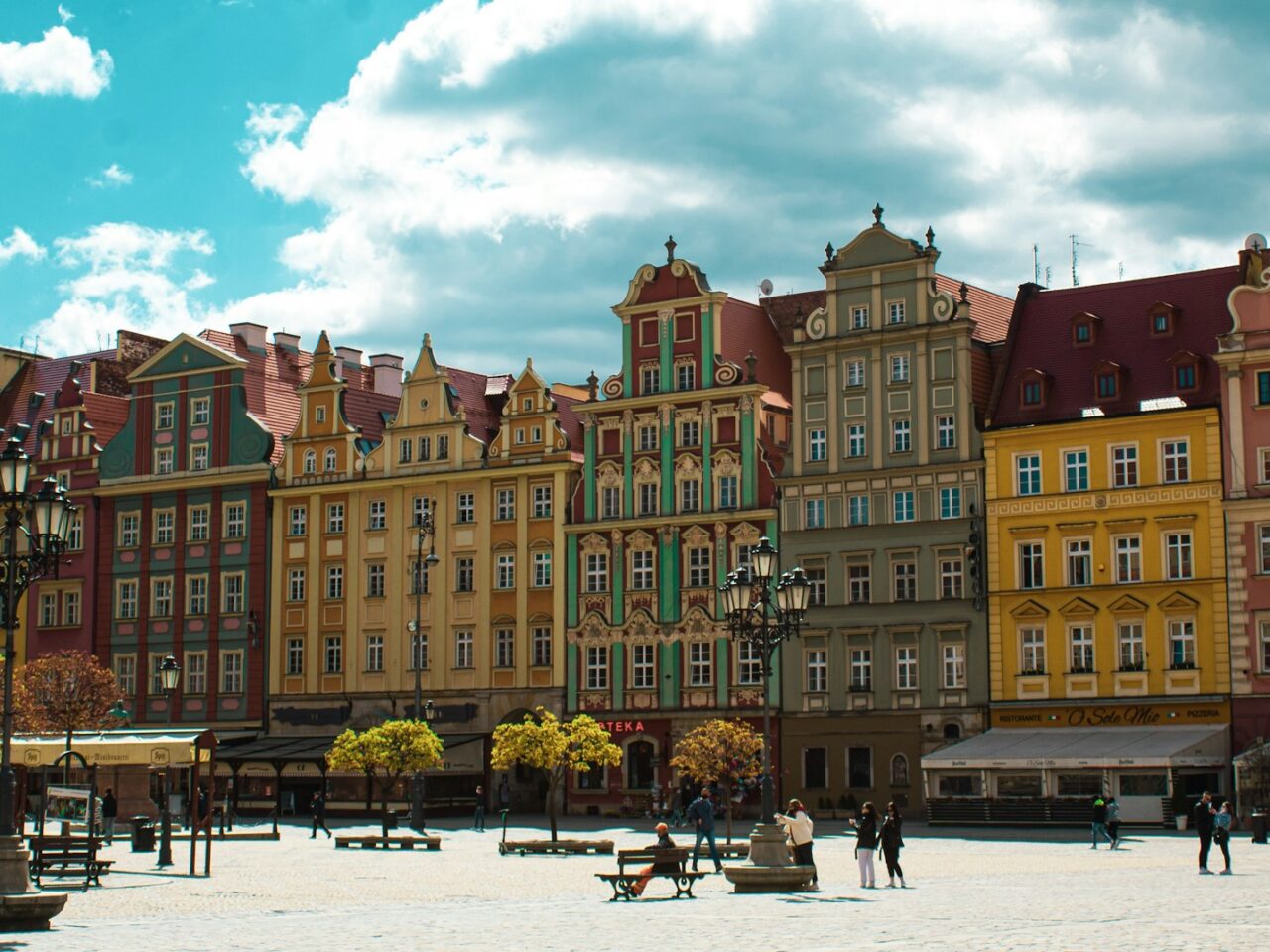
Poland is not always the first country mentioned when discussing Europe’s AI landscape. Yet beneath the surface, the country is building momentum with surprising speed. What started as scattered research initiatives has grown into a coordinated national strategy — supported by government funding, major infrastructure projects, expanding academic programs and a growing private-sector footprint.
Read More
Tuesday, December 2, 2025

When most people think of Greece, images of the Acropolis, sun-drenched islands and ancient philosophers come to mind. But in labs tucked away across Athens and other cities, a different kind of innovation is quietly taking shape — artificial intelligence. Greek universities are carving out a space for the country in Europe’s fast-evolving AI ecosystem, blending tradition with cutting-edge technology.
Read More
Tuesday, December 2, 2025
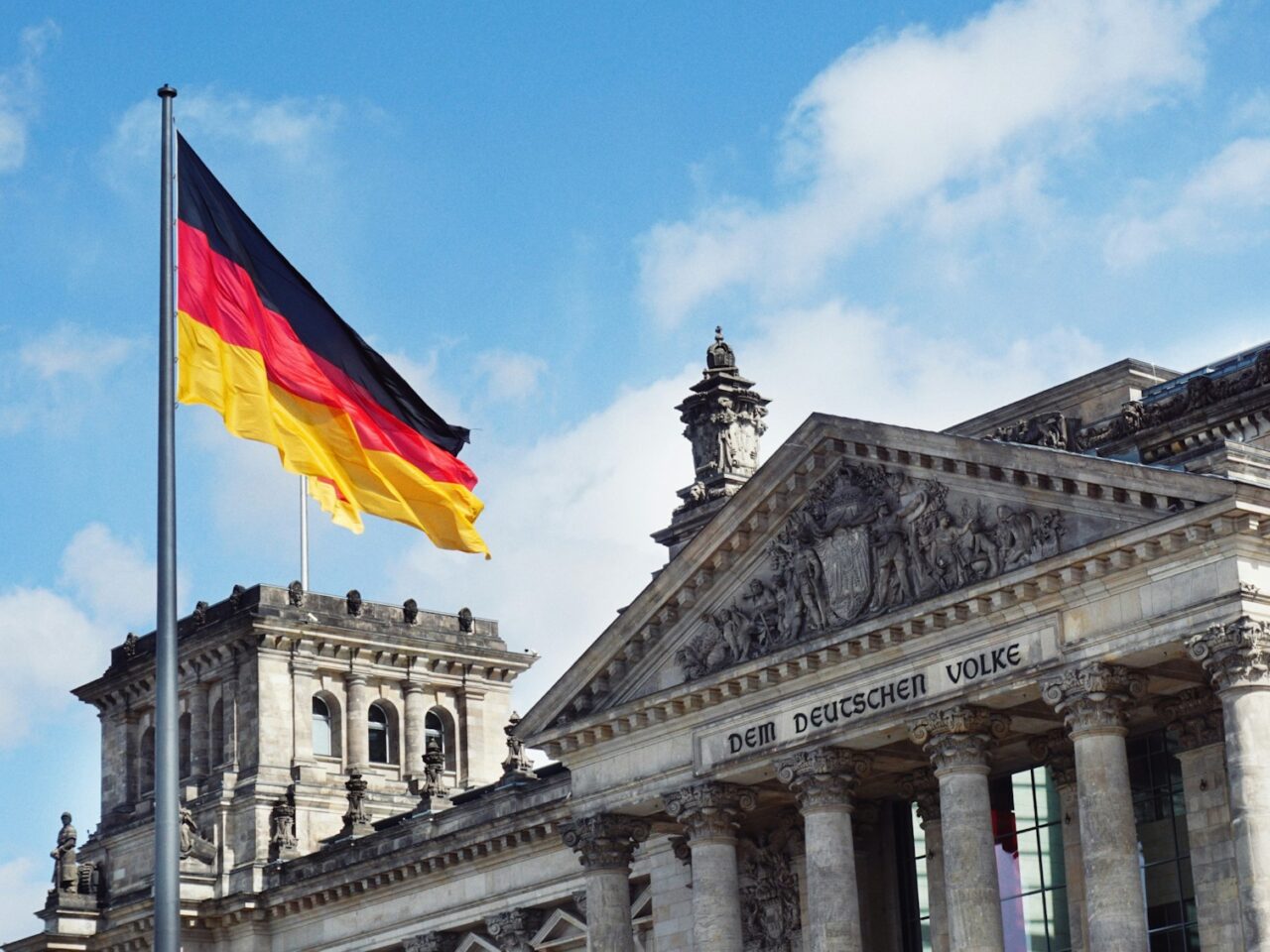
Germany is entering the AI era on its own terms—shaped not by big-tech platforms, but by engineering culture, industrial depth and a deliberate push for strategic autonomy. The country does not dominate global AI headlines, nor does it race to build frontier models. Instead, it is constructing something Europe may find far more valuable: an AI-enabled industrial backbone capable of delivering resilience in a decade defined by supply chains, energy shocks and geopolitical tension.
Read More
Tuesday, December 2, 2025

Germany’s AI ecosystem is anchored in its universities—technical institutes, research clusters and applied science centers that have produced decades of engineering excellence. Yet as AI becomes increasingly commercial, these institutions face a structural challenge: how to preserve scientific depth while accelerating translation into market-ready technologies. Universities remain strong in fundamental research, but Germany now confronts a global race in which agility, speed and capital often outweigh legacy and tradition.
Read More
Tuesday, December 2, 2025

Germany approaches deep technology not as a speculative frontier but as a long-term strategic layer that supports industrial resilience, technological sovereignty and the next era of algorithmic innovation. Quantum computing, neuromorphic chips and advanced materials are treated as foundational—technologies whose payoff may take years, but whose absence would leave Europe structurally dependent on foreign compute, platforms and intellectual property. Germany’s investments reflect this long view: build capacity now, secure autonomy later.
Read More
Tuesday, December 2, 2025

Germany’s AI ambitions are shaped as much by infrastructure as by research, industry or policy. Datacenters, energy supply and high-performance computing form the essential backbone for AI deployment, yet they also introduce constraints that influence where, how and how quickly AI capabilities can scale. Ambition alone cannot overcome the realities of electricity grids, cooling requirements and permitting processes.
Read More
Tuesday, December 2, 2025

Germany’s relationship with artificial intelligence is rarely framed as a software story; it is, fundamentally, an industrial one. While Silicon Valley speaks in models and scale, Germany speaks in production lines, logistics chains and quality assurance. The country’s economic engine—automotive clusters in Munich, precision machine builders in Baden-Württemberg and medtech research networks spanning Heidelberg to the Rhine Valley—has become the proving ground for AI integration in Europe.
Read More
Tuesday, December 2, 2025

For years, Germany has been described as Europe’s “industrial engine”, a country where engineering discipline meets long-term economic planning. As artificial intelligence accelerates globally, Germany finds itself at a crossroads: well-equipped with research depth, industrial muscle and public investment—but also challenged by the speed, capital intensity and platform dynamics that define the AI race. What emerges today is a nation trying to translate a century of industrial expertise into leadership within a technology wave dominated elsewhere by hyperscale software ecosystems.
Read More
Monday, December 1, 2025

Europe has capital—immense pools of it—but much of that money never quite finds its way into the companies that could shape the continent’s technological or industrial future. On paper, Europe should be an investor’s dream: deep pension systems, world-class sovereign wealth players and a highly educated innovation ecosystem. Yet the deployment pattern tells a different story. Institutional investors continue to favour the United States, sprinkle selective exposure across Asia and keep their European allocations safe, liquid and conservative. The root cause is not a lack of ambition. It is a system that rewards caution and punishes scale.
Read More
Monday, December 1, 2025

Europe does not lack talent. It lacks the gravitational pull to keep it. Across the continent, universities, labs and startups produce some of the world’s strongest AI researchers. Yet the same people often migrate to the U.S. or the UK, pulled by higher salaries, deeper compute access and faster-moving ecosystems. Europe cultivates brilliance, but struggles to convert it into long-term advantage.
Read More
