Friday, November 28, 2025

Europe’s economic strength has always depended on its people. Yet in a world where AI, deep tech and advanced manufacturing are reshaping labour markets at high speed, talent has become a strategic resource — as critical as energy or raw materials. The nations that thrive will be those that treat talent development not as an educational outcome, but as a national mission.
Read More
Friday, November 28, 2025
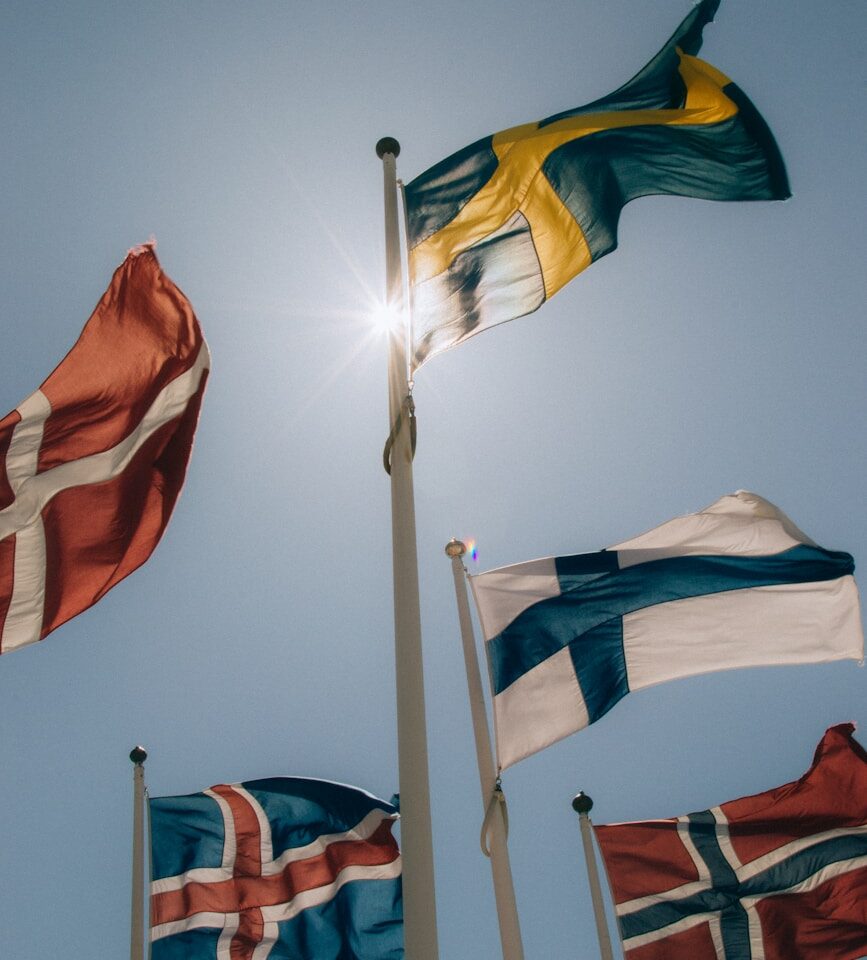
Scandinavia is not building an AI empire — it is building Europe’s most human-centric, digitally mature ecosystem. Finland and Sweden combine deep digital readiness with a pragmatic philosophy: AI is not meant to impress, but to work. Here, AI is treated not as a vision of the future, but as a public utility.
Read More
Friday, November 28, 2025
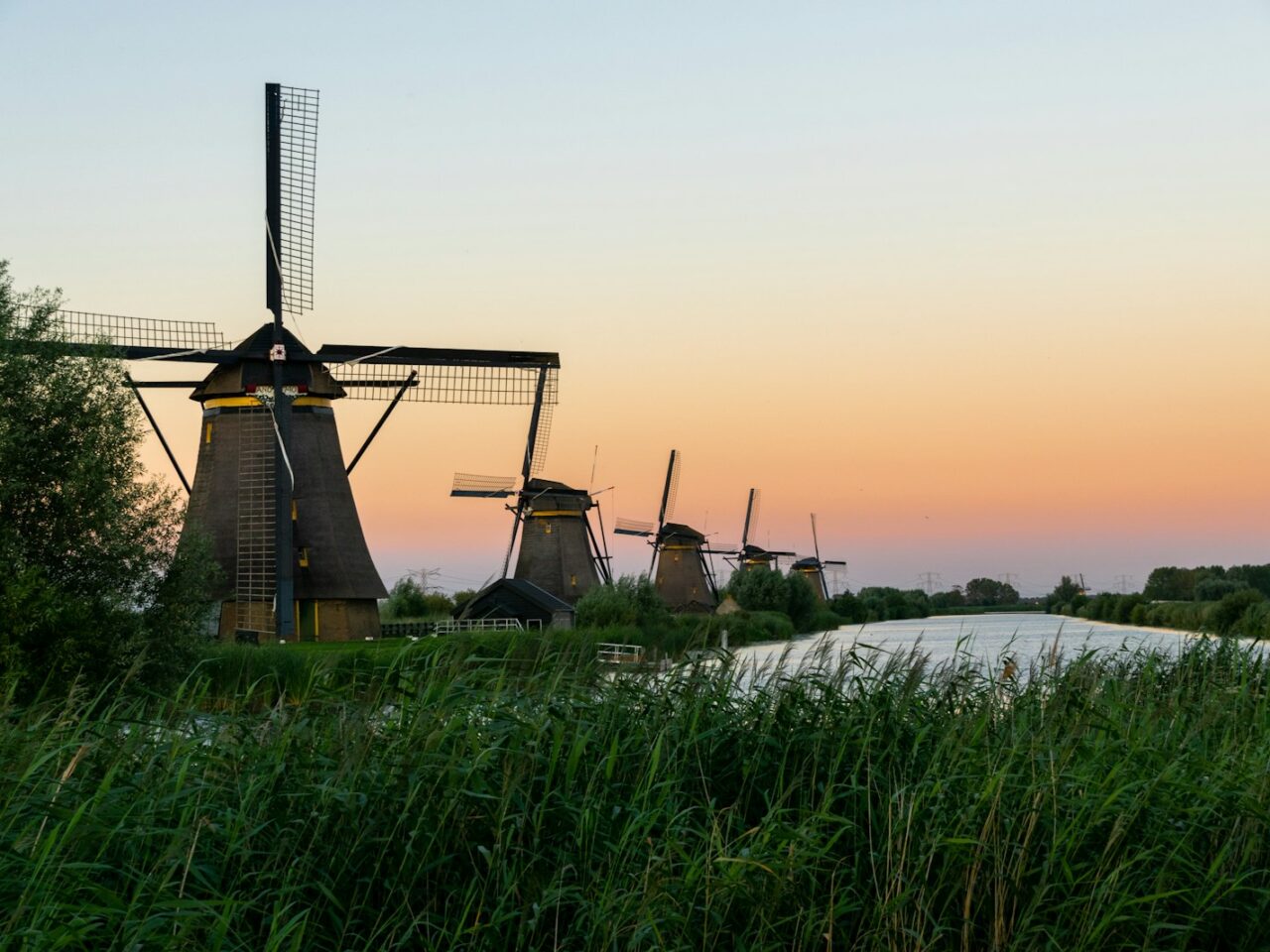
The Netherlands is not a numerical AI superpower — but it is an influential one. While other countries talk big, the Dutch build the components that keep the global system running. No hype cycles, no billion-dollar theatrics: the strength of the Netherlands lies in precision, infrastructure and reliability.
Read More
Friday, November 28, 2025

No European country concentrates more frontier AI capability per square kilometer than the United Kingdom. Nowhere else do DeepMind, OpenAI’s UK operations, Anthropic UK, Stability AI, a world-class academic cluster and an emerging safety ecosystem sit within one tightly connected corridor.
Read More
Friday, November 28, 2025

France approaches artificial intelligence not merely as a technological tool, but as an instrument of national power. Unlike Germany’s industrial pragmatism or the UK’s research-driven model, France explicitly positions AI as a lever for European sovereignty, both economically and strategically. From the government-backed Mistral AI initiative to Thales’ defence applications, Paris is asserting that Europe can—and must—control its own AI destiny
Read More
Friday, November 28, 2025
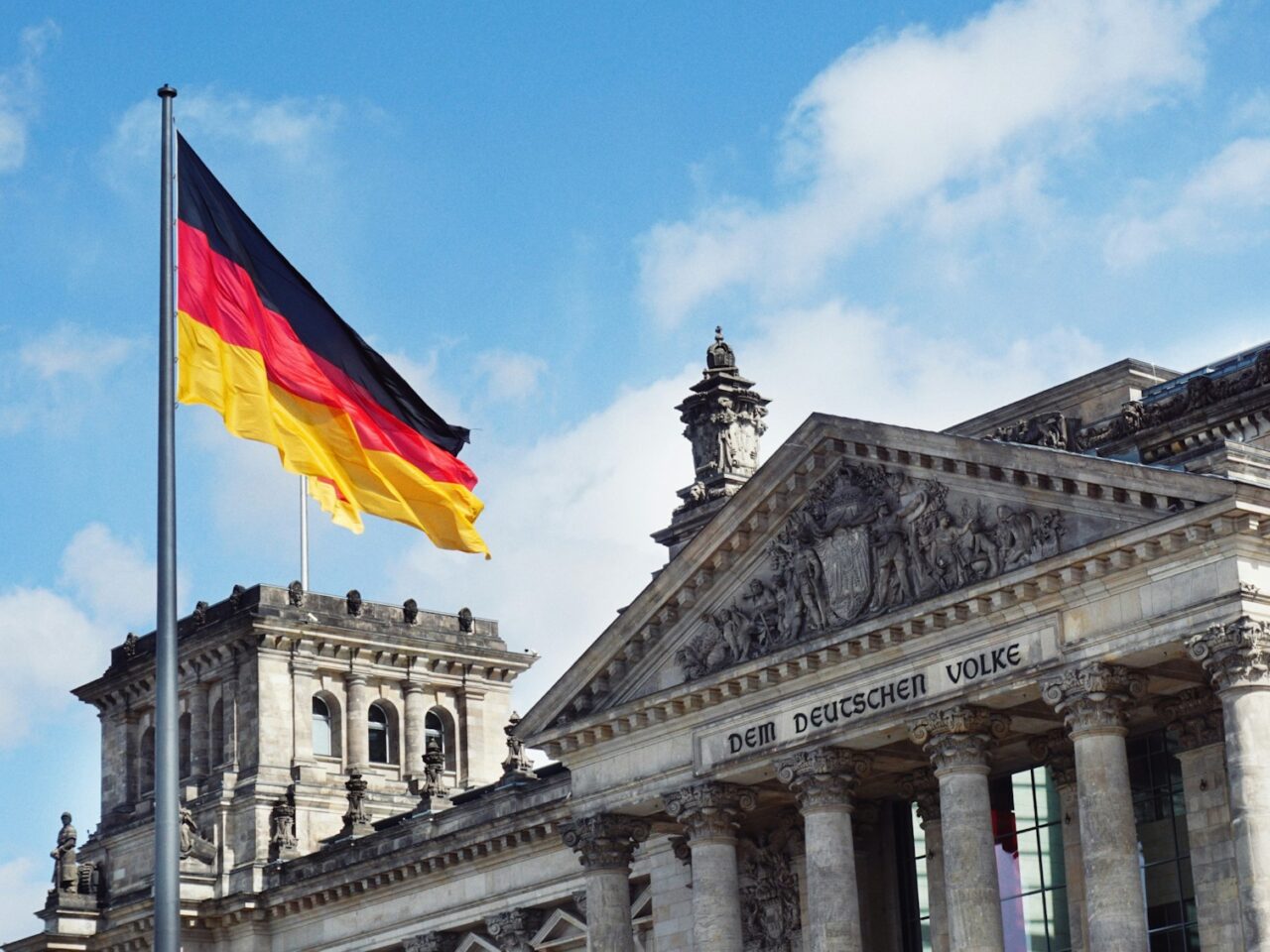
Germany does not dominate headlines in the global AI race. It does not chase frontier models with the same fervour as the United States or China. Instead, Germany is building something far more structurally important: an AI-enabled industrial base that underpins Europe’s economic strength—and increasingly, its strategic autonomy.
Read More
Friday, November 28, 2025

Europe is entering a decisive phase in its technological trajectory. While the global AI race is often framed as a binary contest between the United States and China, the real story is more complex. Europe is quietly, sometimes reluctantly, shaping itself into a multi-node AI power structure—one built on industrial strength, democratic governance and a patchwork of national strategies that do not always align but together form a distinctive technological identity.
Read More
Thursday, November 27, 2025

When it comes to artificial intelligence, it’s as if Europe, the United States and China are playing entirely different games. Europe writes the rules. The US builds the race-cars — fast, aggressive and often messy. China tries to build an entire ecosystem, from roads to regulations to surveillance. In this global match, what counts is not only how you play, but how and why.
Read More
Thursday, November 27, 2025
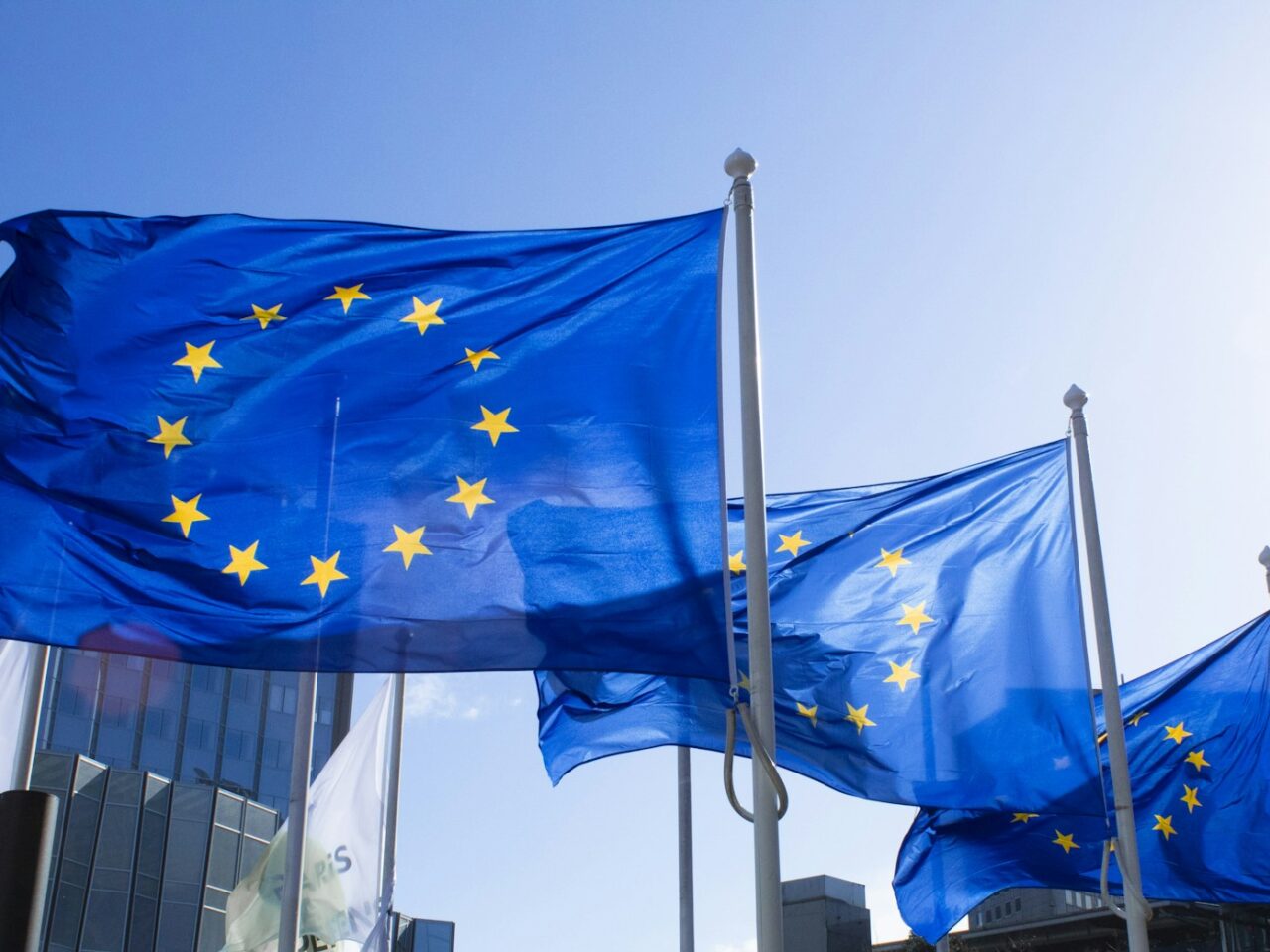
When Thierry Breton stepped down as European Commissioner in 2024, he left behind a legacy of ambition and vision for Europe’s technological future. Breton had pushed for digital sovereignty, stronger industrial and AI policies and a robust regulatory framework. Yet, the landscape he helped shape has evolved into something far more complex than any single individual could steer.
Read More
Thursday, November 27, 2025
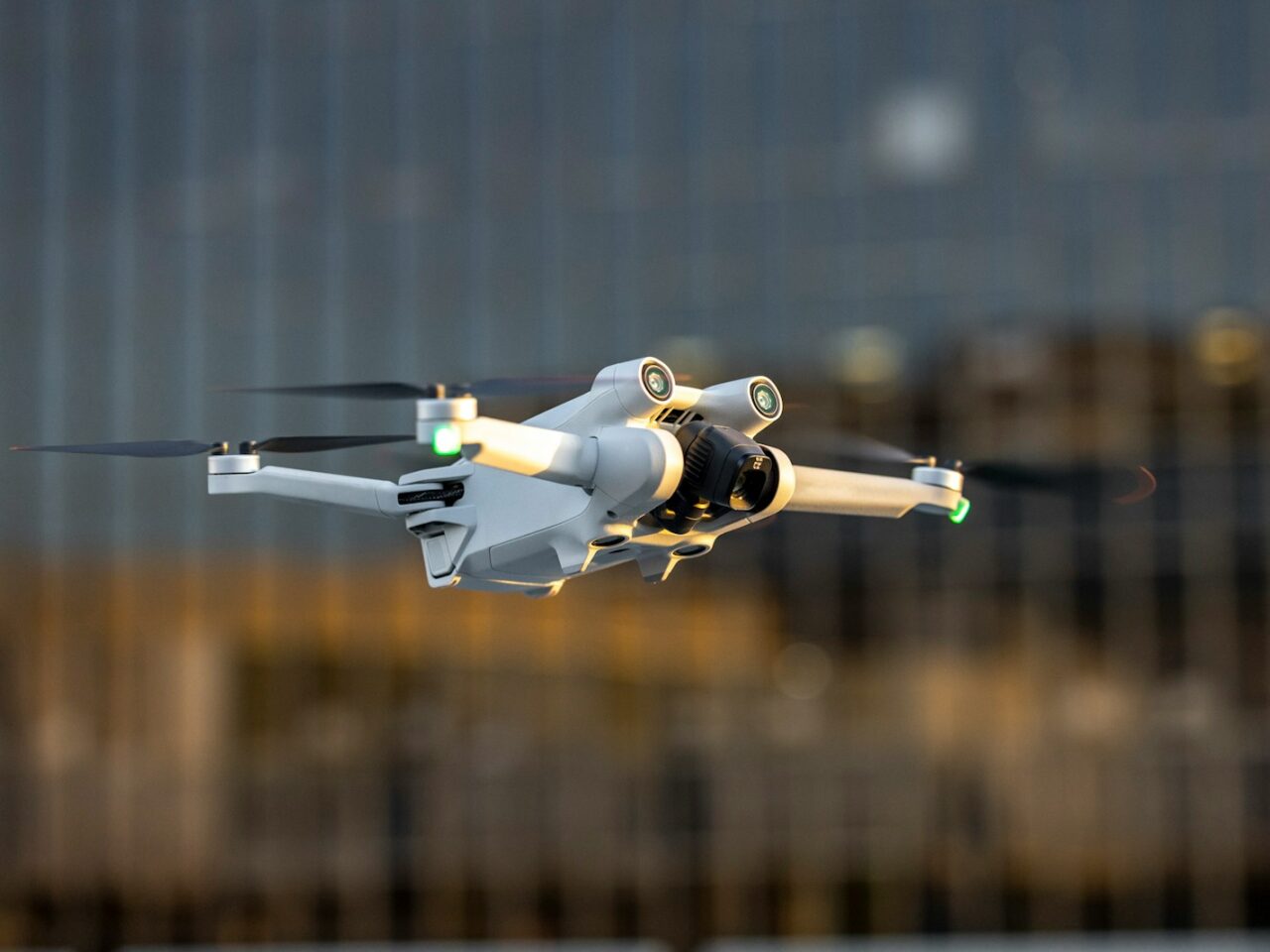
Artificial intelligence is transforming every industry, but nowhere is its impact as profound as in the defence sector. For decades, military innovation moved in predictable cycles, centred around large hardware projects and slow technological maturation. AI disrupts that rhythm entirely. It accelerates processes, shifts decision-making and moves the balance of power from who has the most equipment to who can interpret information the fastest.
Read More
