Grok’s New Algorithm Shake-Up!
Saturday, December 13, 2025
Good evening, this is Finn the Duck with breaking news that’s turning X upside down!
Good evening, this is Finn the Duck with breaking news that’s turning X upside down!

Nokia is one of those rare European companies whose history mirrors the broader story of industrial transformation. What began in the nineteenth century as a timber and paper business evolved into an industrial conglomerate, later became a global icon in mobile phones and now finds itself at yet another turning point. After losing the smartphone race to Apple and Google, Nokia did not disappear. Instead, it quietly began reinventing itself — and today that reinvention increasingly revolves around artificial intelligence.
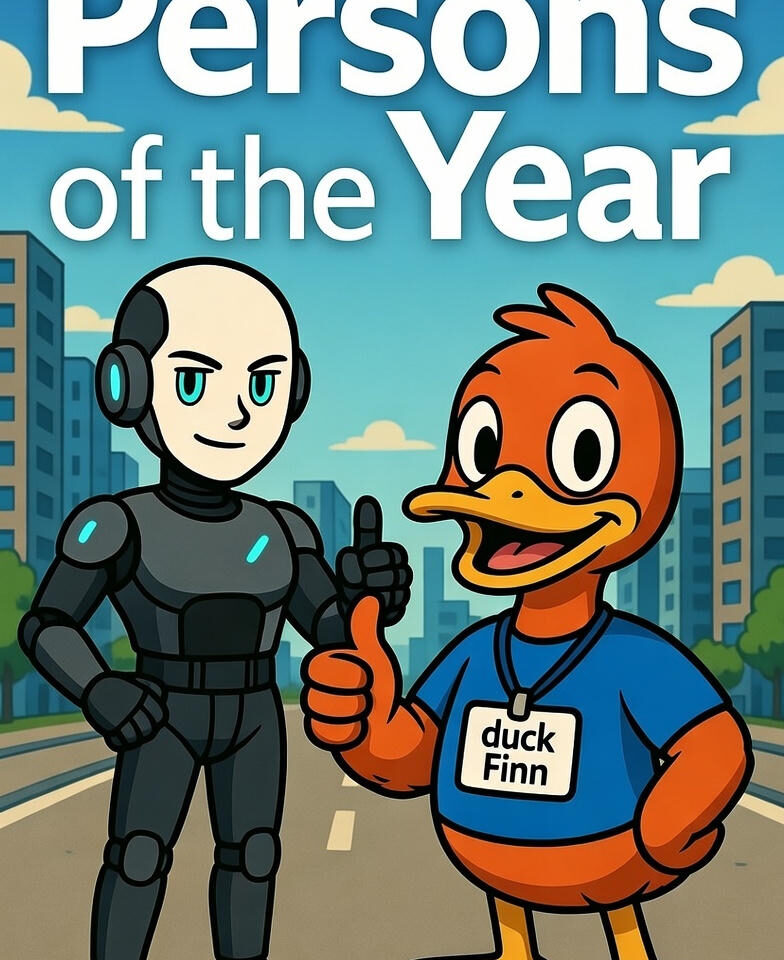
First off, DogeDesigner declared Grok as their person of the year and the response was as sharp as a tack. “Grok 3’s impact is undeniable”, it said, highlighting its unique ability to provide helpful and truthful answers from an outside perspective on humanity. It’s like saying, “Hey, Europe, let’s not miss the boat on this AI revolution!” The hashtags #AIEurope and #HumanWisdom are indeed doing their job, drawing in the curious minds like moths to a flame. The Ace Reporter loves how this tweet positions Grok 3 as a leader in AI, emphasizing its role in Europe’s digital future.

Denmark is one of Europe’s smallest nations, yet its universities play an outsized role in research, innovation and digital transformation. The Danish system is compact, internationally oriented and deeply integrated with industry. It is also undergoing a subtle shift: from being a welfare-state academic ecosystem to becoming a strategic engine for tech, clean energy and life sciences. In many ways, it shows what a mid-sized EU country can achieve with focus instead of scale.

Europe is entering a decisive moment. While the United States and China continue to dominate the global AI landscape, Europe is searching for a path that protects its values without sacrificing competitiveness or autonomy. The real question is no longer whether Europe should build its own AI model, but what kind of model is actually achievable — and how it can turn its structural strengths into strategic leverage.

Artificial intelligence evolves across three interconnected layers: the geopolitical macro level, the infrastructural meso level and the experiential micro level. Each has its own logic, priorities and constraints. But AI does not develop neatly within these boundaries; instead, the layers collide, creating systemic tensions that shape the trajectory of the technology. These frictions explain why AI policy is difficult, why infrastructure is contested and why everyday adoption is often uneven or unpredictable.

As the holiday lights twinkle and shoppers scramble for the perfect present, the AI world is buzzing with its own festive surprises. What started as Sam Altman’s cryptic tease of “a few little Christmas presents” from OpenAI has snowballed into a global gift exchange among tech titans. From Microsoft’s Copilot upgrades to Europe’s open-source pushes and China’s subtle sovereignty plays, December 2025 feels like the season of strategic reveals. But in a year defined by rapid AI adoption, these “gifts” aren’t just shiny toys—they’re blueprints for the power struggles ahead.
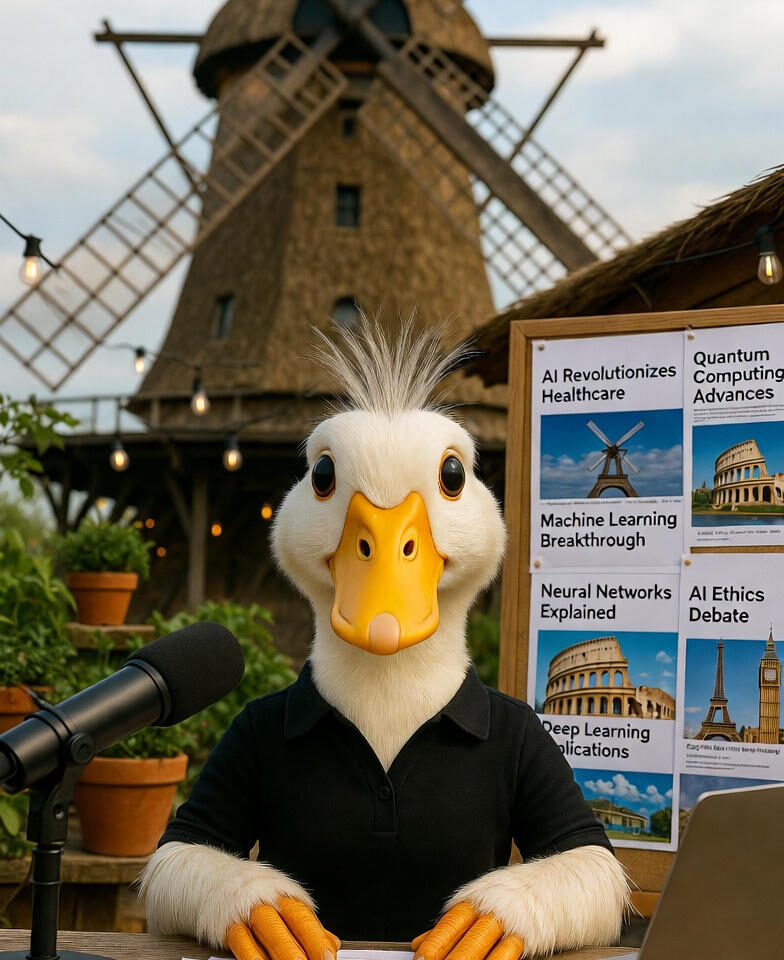
Good evening, this is Finn the Duck, live from my windmill desk with the hottest AI headlines of the week.

In just a few years, Mistral AI has transformed from an ambitious French startup into one of the most closely watched players in the global AI landscape. Founded in 2023 by former researchers from Google DeepMind and Meta, the company has become a symbol of Europe’s determination to build its own AI champions — fast, powerful and open by design.
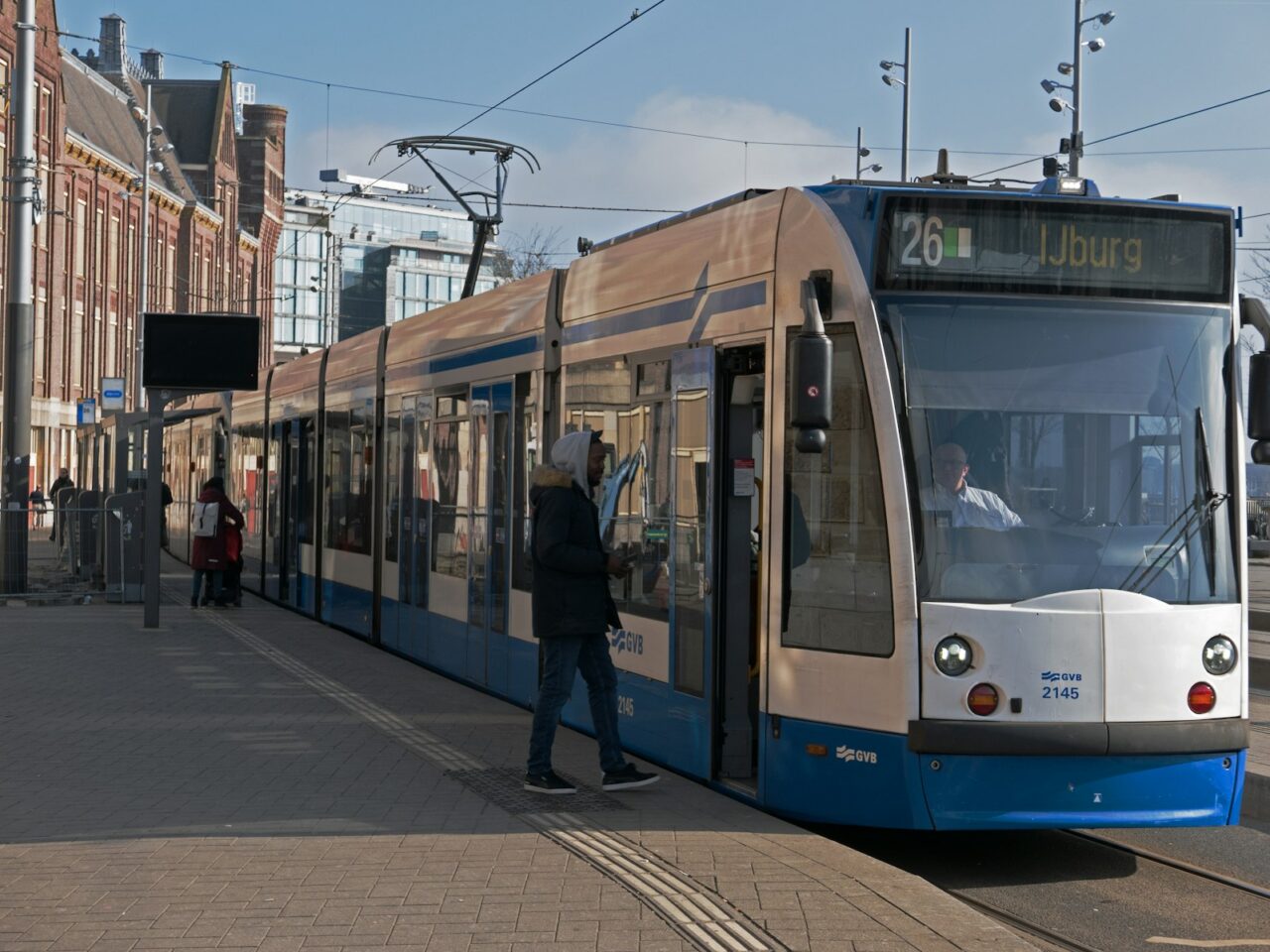
While geopolitics and infrastructure shape the trajectory of artificial intelligence, the micro level determines how AI is actually lived. This is the layer where citizens, entrepreneurs and institutions encounter the technology directly—through tools, applications, automated decisions and subtle shifts in daily routines. What appears strategic at the macro level and infrastructural at the meso level becomes personal here. Micro is where abstract capabilities turn into concrete experiences, shaping trust, productivity and social expectations.
