Thursday, June 18, 2026

Why does China invest hundreds of billions in semiconductors, artificial intelligence, batteries and high-speed rail? The answer lies in how Beijing views economic development. Many technologies are not seen as commercial sectors alone, but as strategic infrastructure that underpins future national power.
Read More
Saturday, June 6, 2026

Europe’s technology strategy is not about isolation. It is about resilience through partnership. As Europe builds its capabilities in semiconductors, cloud infrastructure and artificial intelligence, cooperation with India on talent, digital infrastructure and innovation could help shape the next era of global technology.
Read More
Tuesday, May 26, 2026
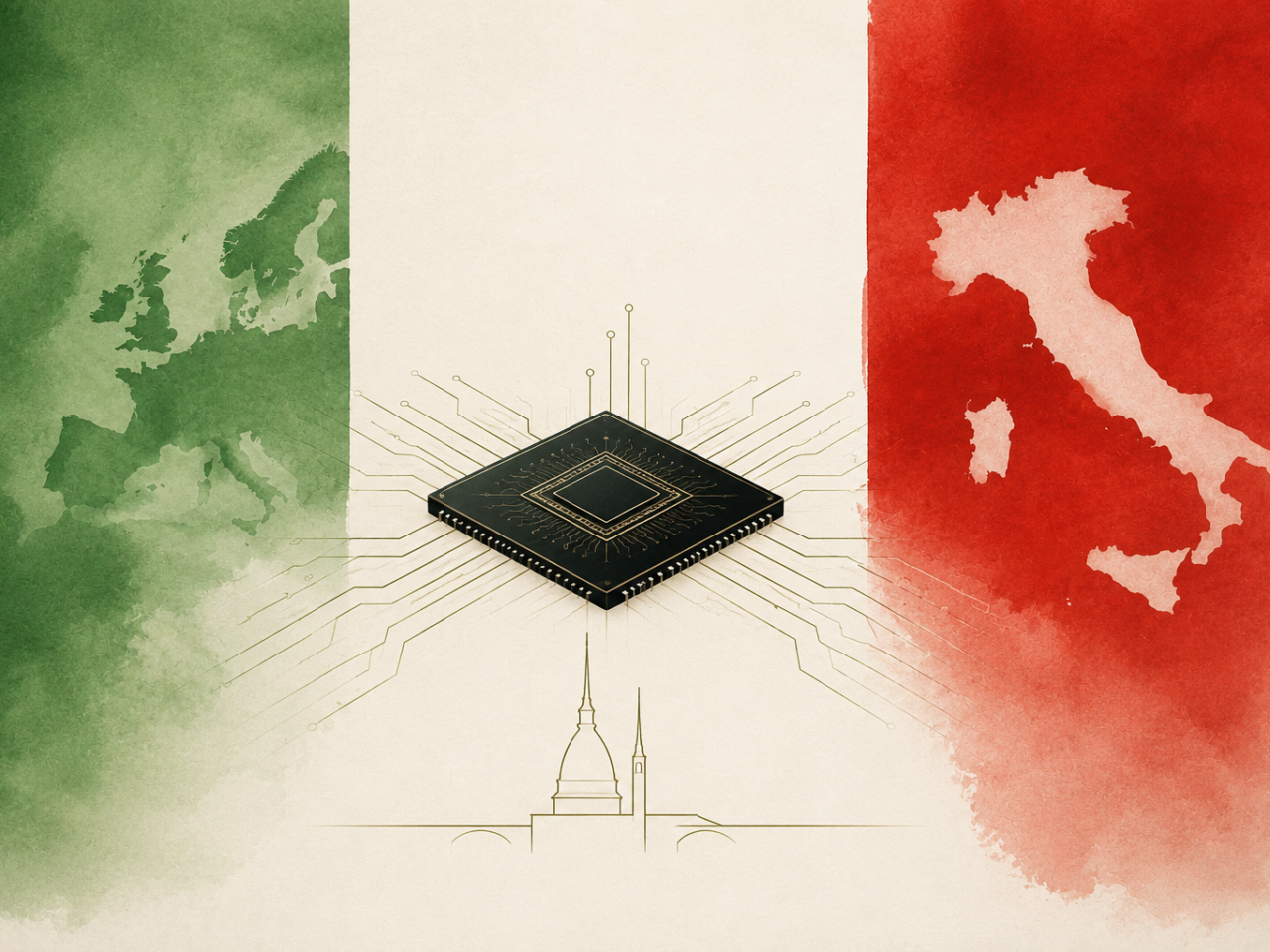
As AI infrastructure transforms the semiconductor industry, Europe is quietly shifting its strategy away from full technological autonomy and toward a model built around critical infrastructure, systems integration and technological indispensability.
Read More
Sunday, May 17, 2026
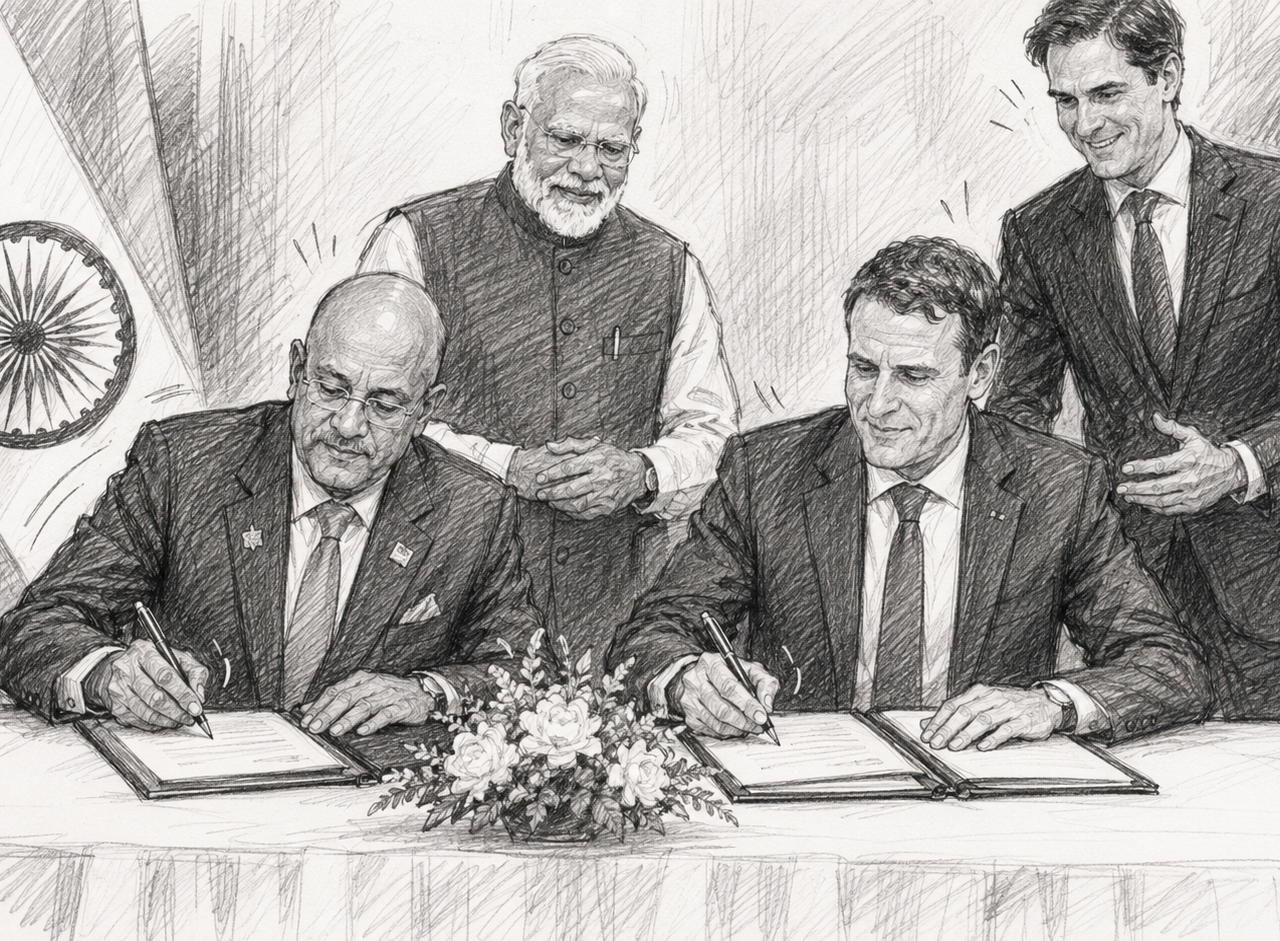
ASML and Tata Electronics have signed an agreement supporting India’s semiconductor ambitions. As India aims to build at least ten advanced chip facilities, the country is shifting from a software-focused technology economy toward strategic industrial manufacturing capacity.
Read More
Friday, May 15, 2026

Quantum computing is becoming more than a technological breakthrough. Across Asia and beyond, it is evolving into a strategic contest over infrastructure, standards, cybersecurity and control—reshaping how power is organized in an increasingly interconnected digital world.
Read More
Saturday, April 18, 2026
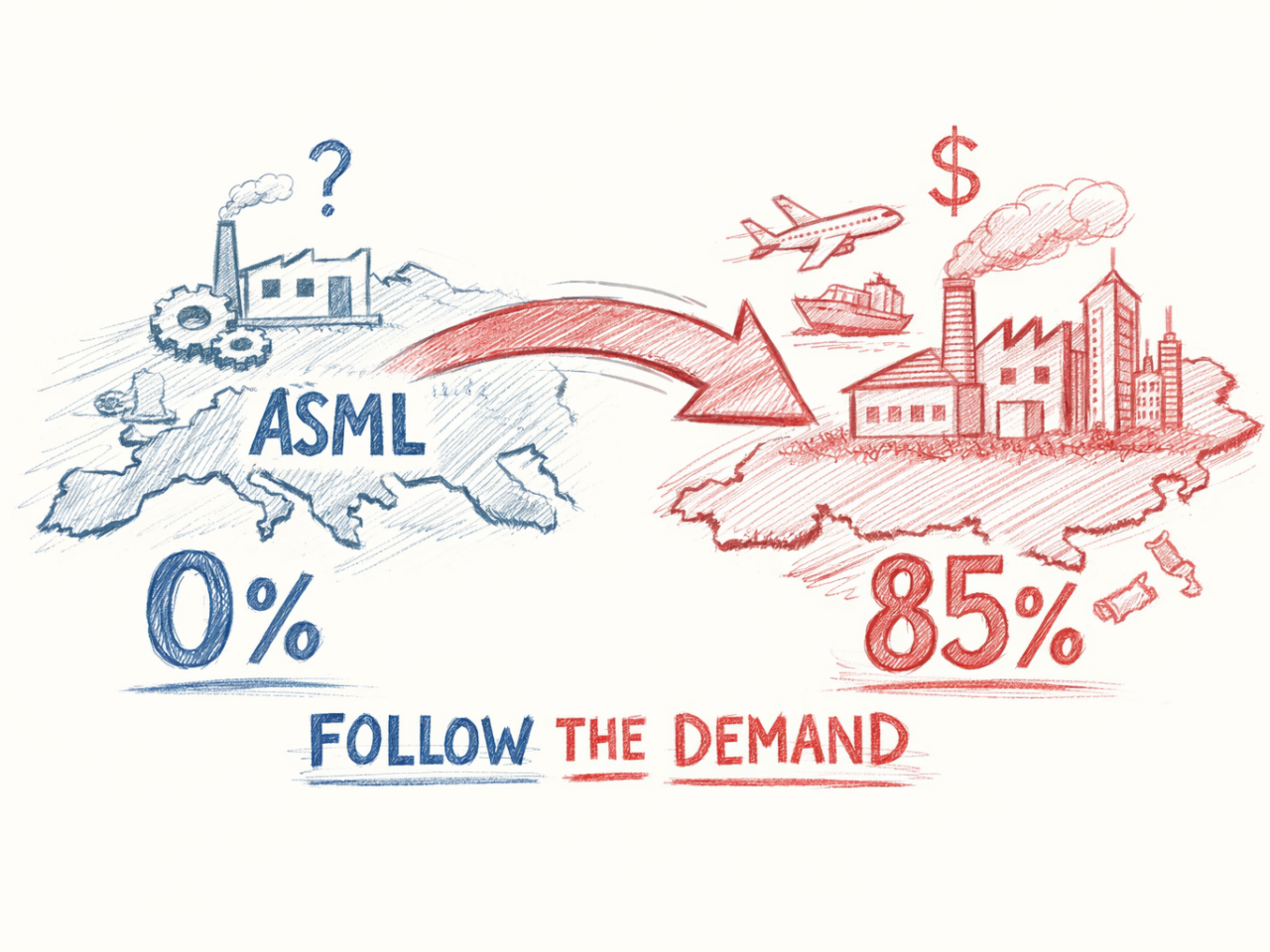
ASML’s shift toward Asia reveals a deeper transformation: innovation may remain rooted in Europe, but scale now follows demand. As Brainport faces its next phase, the question is no longer where technology is built, but where it truly grows.
Read More
Saturday, April 11, 2026

A new global competition is emerging — not for capital, but for talent. As India, China and Singapore build distinct systems to deploy human capital, the future of economic power will be defined by which model proves most resilient.
Read More
Wednesday, April 8, 2026

Huawei’s 2025 results reveal not a comeback but a transformation: from global tech vendor to architect of a sovereign digital ecosystem. Under pressure from sanctions, it has built parallel systems in chips, AI, and mobility—reshaping the geopolitical technology order.
Read More
Saturday, March 21, 2026

India’s population surge and China’s decline mark more than a demographic shift — they signal a long-term redistribution of economic gravity, labor power, and geopolitical leverage across Asia and the global system.
Read More
Wednesday, February 11, 2026

The quiet transition of Niranth Amogh from Huawei to Nokia may appear, at first glance, as an individual career decision within the global telecom industry. In reality, it signals a deeper geopolitical realignment taking shape inside the architecture of 6G. As standards become instruments of power rather than technical coordination, the Asia-Pacific region has emerged as the decisive battleground where influence is exercised not through markets or mandates, but through the control of protocols, procedures and technical language.
Read More
