Sunday, August 9, 2026

Beyond Asia’s megacities lies an immense agricultural landscape shaped by rice terraces, grain fields, plantations, irrigation and increasingly engineered farming. Understanding this geography reveals the physical system beneath Asia’s extraordinary economic and technological transformation.
Read More
Sunday, August 2, 2026

In Kuala Lumpur, shopping malls have evolved beyond retail. Shaped by climate, mobility and urban density, they increasingly function as places where people meet, work and spend time—raising a broader question about how cities organise public life in the twenty-first century.
Read More
Wednesday, July 29, 2026

Samsung Electro-Mechanics rarely appears in headlines, yet its microscopic components power the world’s most advanced technologies. From AI servers and electric vehicles to smartphones and robotics, the company demonstrates that modern innovation increasingly depends on invisible engineering rather than visible products.
Read More
Saturday, July 25, 2026

South Korea’s remarkable rise is often explained through technology and global brands. Yet its greatest achievement may be the rapid transformation of an entire society, where education, industrial policy and collective ambition reshaped one of the world’s most dynamic democracies within a single generation.
Read More
Tuesday, July 7, 2026

Samsung reported record profits and investors responded by selling. The reaction may reveal less about semiconductor demand itself and more about a changing market psychology as the AI economy moves from deployment towards productivity.
Read More
Thursday, July 2, 2026

Taiwan’s semiconductor industry is often measured in market share and production capacity. Yet its deeper significance lies elsewhere: in the concentration of expertise, institutions and industrial coordination that increasingly defines technological power in the twenty-first century.
Read More
Friday, June 19, 2026
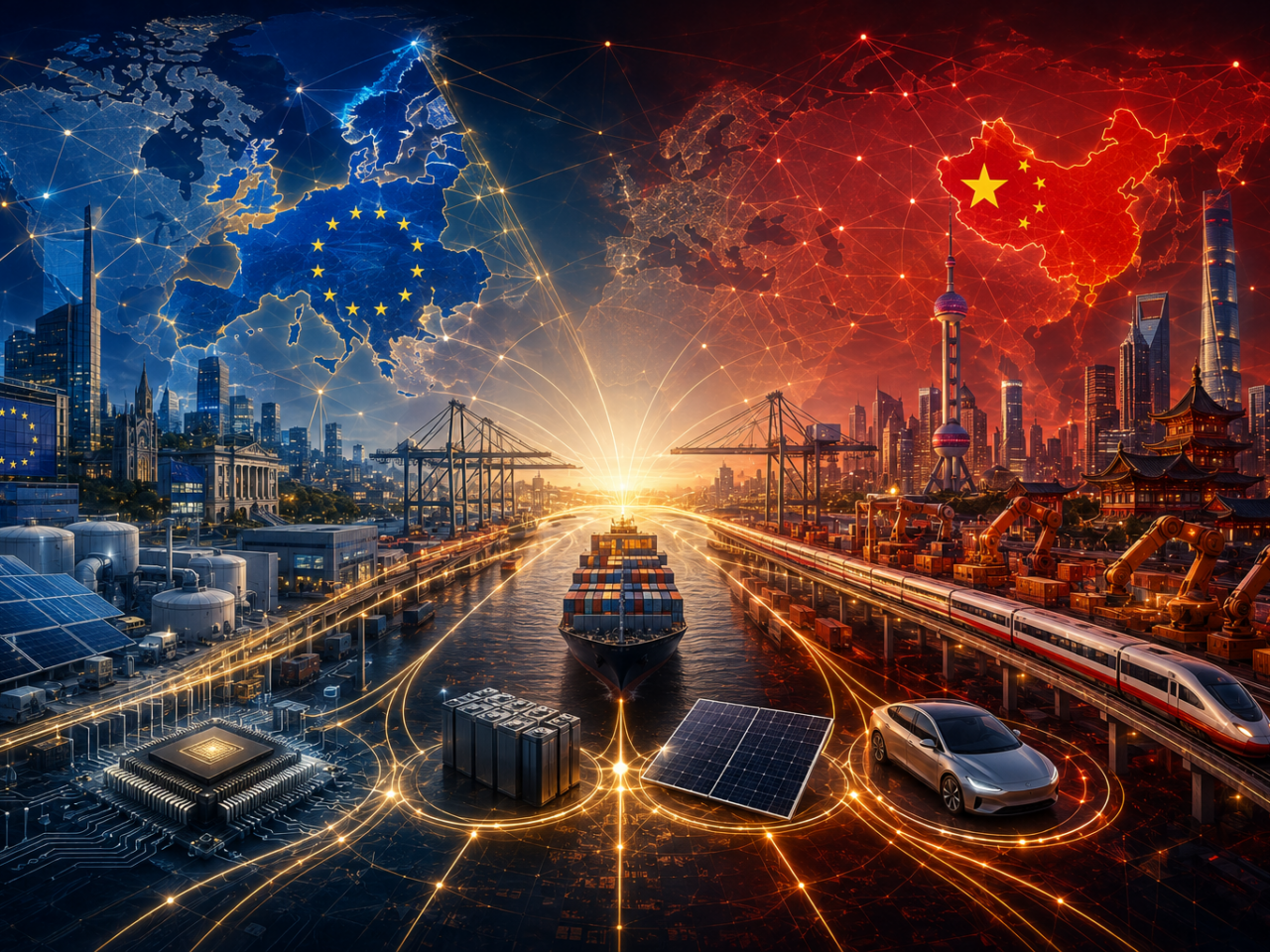
Why does Europe increasingly describe competition with China as unfair? The answer extends beyond tariffs, subsidies or trade disputes. At its core lies a deeper question: what happens when two fundamentally different economic systems compete within the same global marketplace?
Read More
Thursday, June 18, 2026
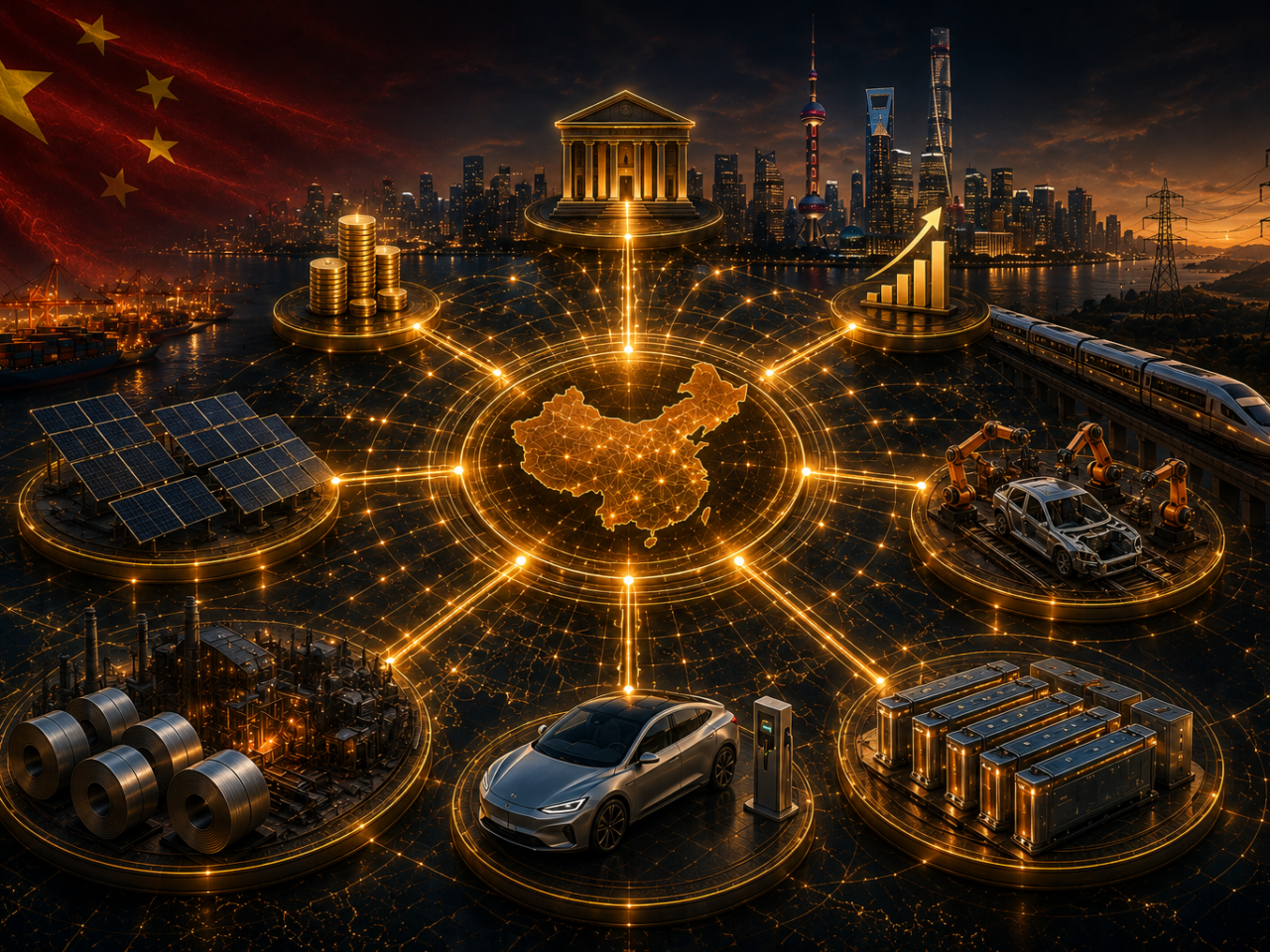
European companies and Chinese companies often compete in the same markets. Yet they frequently operate within very different economic architectures. Understanding those differences helps explain why debates about subsidies, trade and industrial policy have become increasingly central to relations between Europe and China.
Read More
Thursday, June 18, 2026

Why does China invest hundreds of billions in semiconductors, artificial intelligence, batteries and high-speed rail? The answer lies in how Beijing views economic development. Many technologies are not seen as commercial sectors alone, but as strategic infrastructure that underpins future national power.
Read More
Thursday, June 18, 2026

China is often described as communist, capitalist or something in between. Yet modern China operates through a distinctive hybrid system in which markets drive growth and innovation while the state retains the authority to guide economic development and long-term national priorities.
Read More
