Saturday, August 15, 2026

Asia does not feed the world through sheer agricultural volume alone. Its real power lies in concentrated food flows — from rice and palm oil to aquaculture, coffee and spices — that global markets cannot easily replace.
Read More
Sunday, August 9, 2026

Taiwan is more than semiconductors and geopolitics. Shaped by migration, colonial history, democratisation and technological ambition, the island has developed a distinctive society whose identity continues to evolve through the many historical layers it carries.
Read More
Friday, July 24, 2026
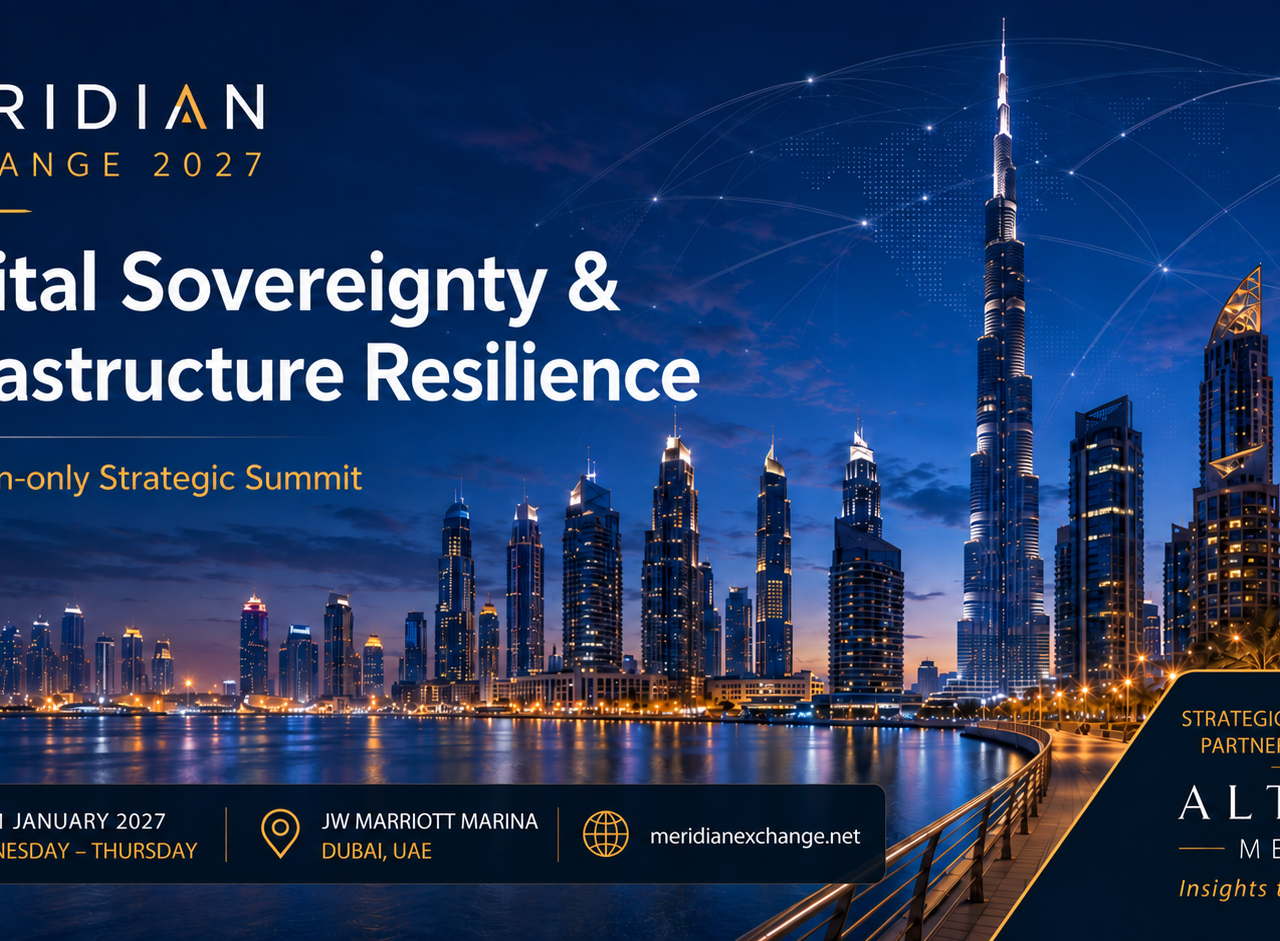
Across Asia, governments are building increasingly digital states. As cloud infrastructure, AI and digital public services become part of national governance, Meridian Exchange 2027 explores how digital sovereignty is evolving into a question of resilience, trust and long-term state capacity.
Read More
Saturday, June 20, 2026
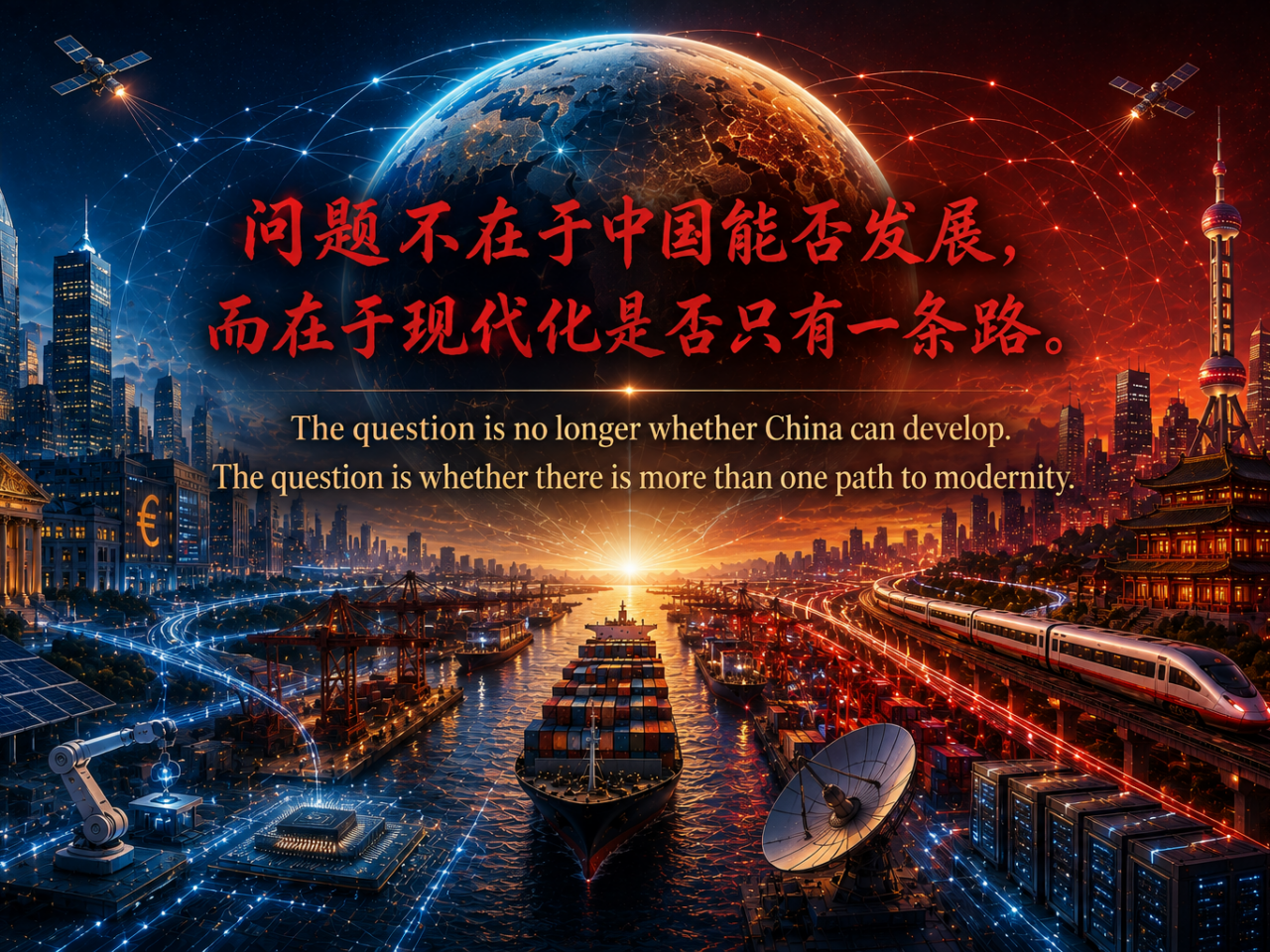
China’s rise challenges one of the most enduring assumptions of the modern era: that economic development inevitably follows a Western path. As China’s influence expands through infrastructure, technology and institutions, a deeper question is emerging. Can there be more than one path to modernity?
Read More
Friday, June 19, 2026
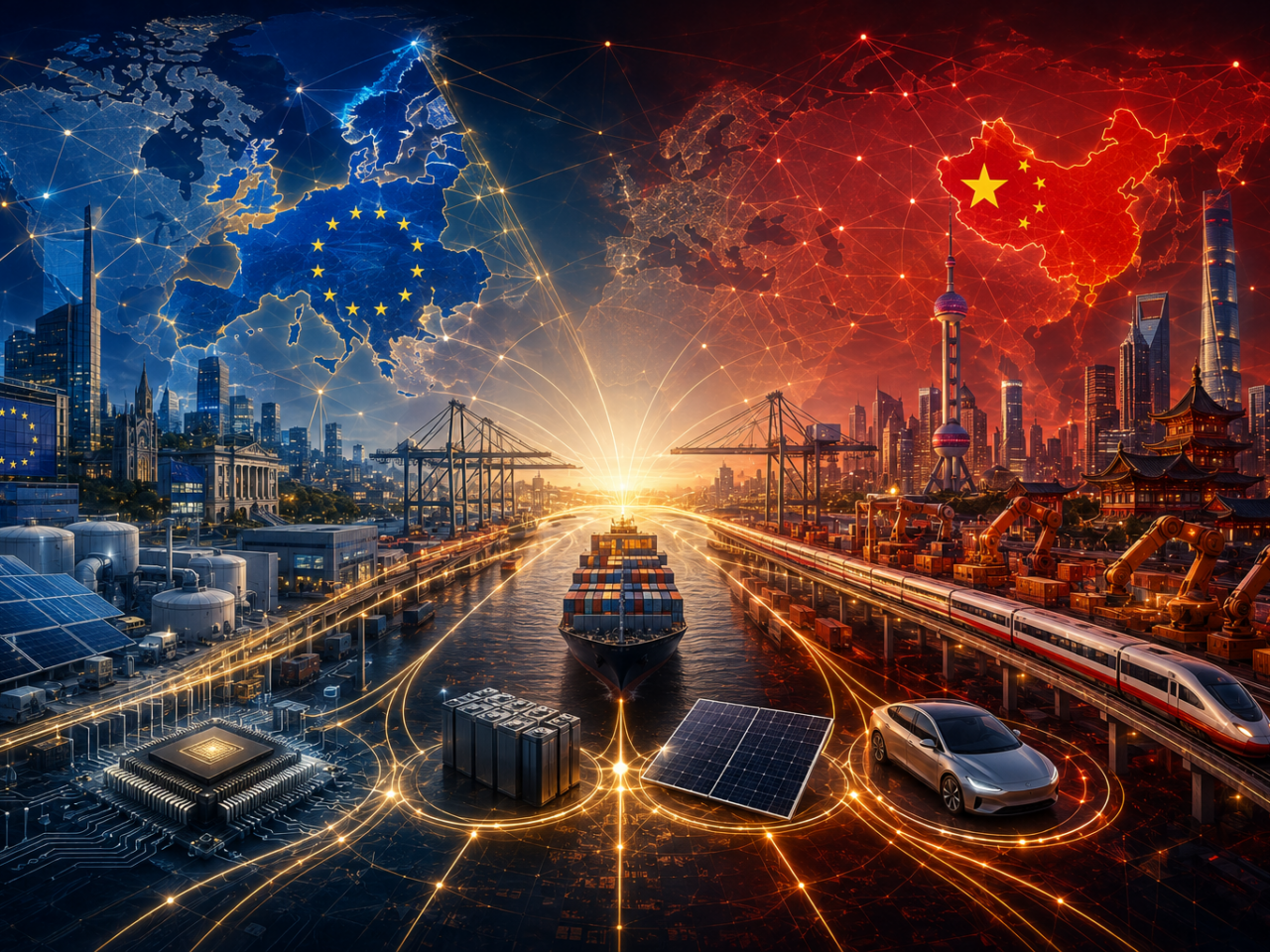
Why does Europe increasingly describe competition with China as unfair? The answer extends beyond tariffs, subsidies or trade disputes. At its core lies a deeper question: what happens when two fundamentally different economic systems compete within the same global marketplace?
Read More
Friday, June 19, 2026
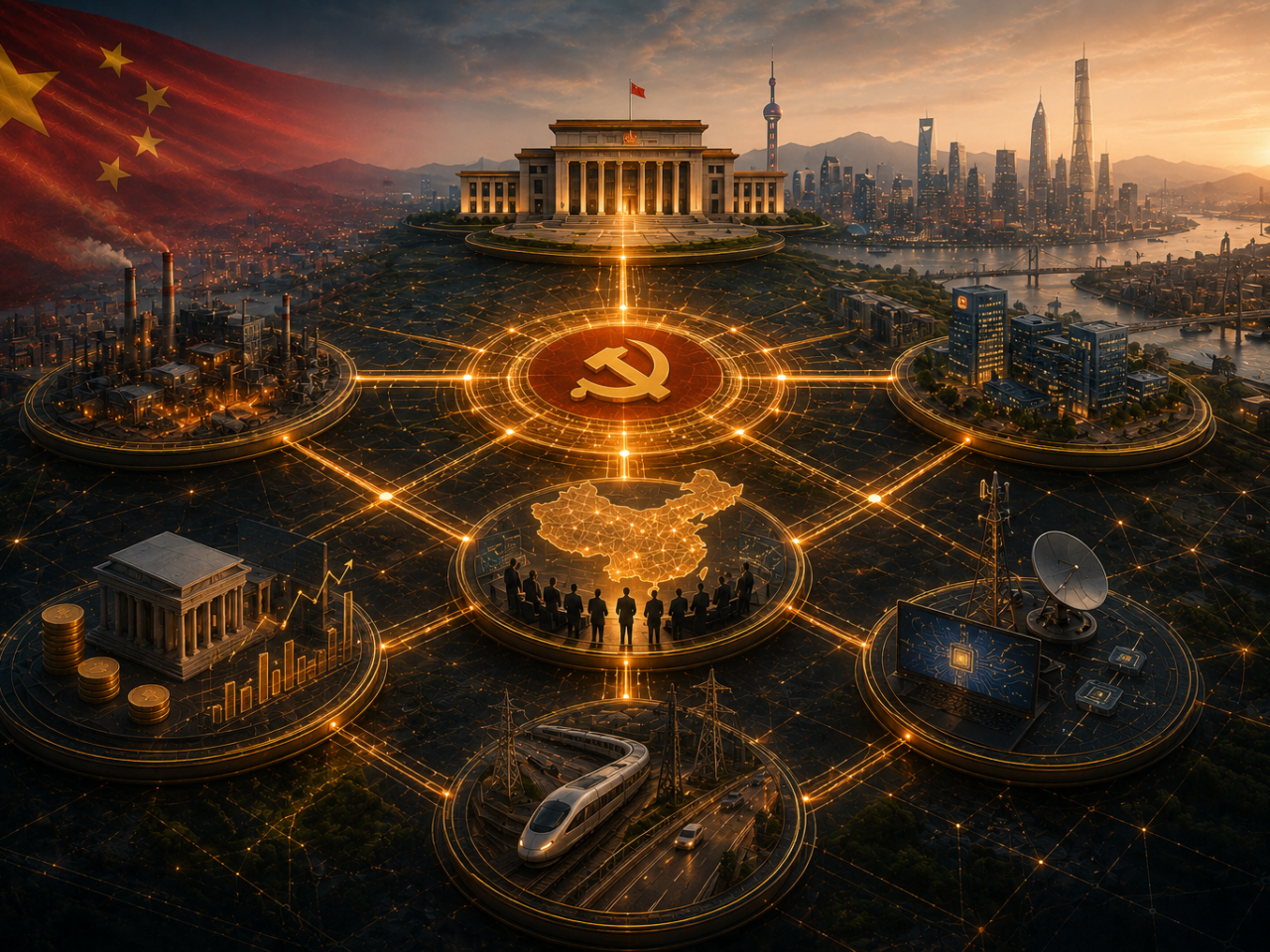
Many observers focus on China’s government or its companies. Yet understanding modern China requires examining the institution that connects them. The Communist Party functions not only as a political organisation, but also as a coordinating mechanism that links state institutions, economic development and long-term national priorities.
Read More
Thursday, June 18, 2026
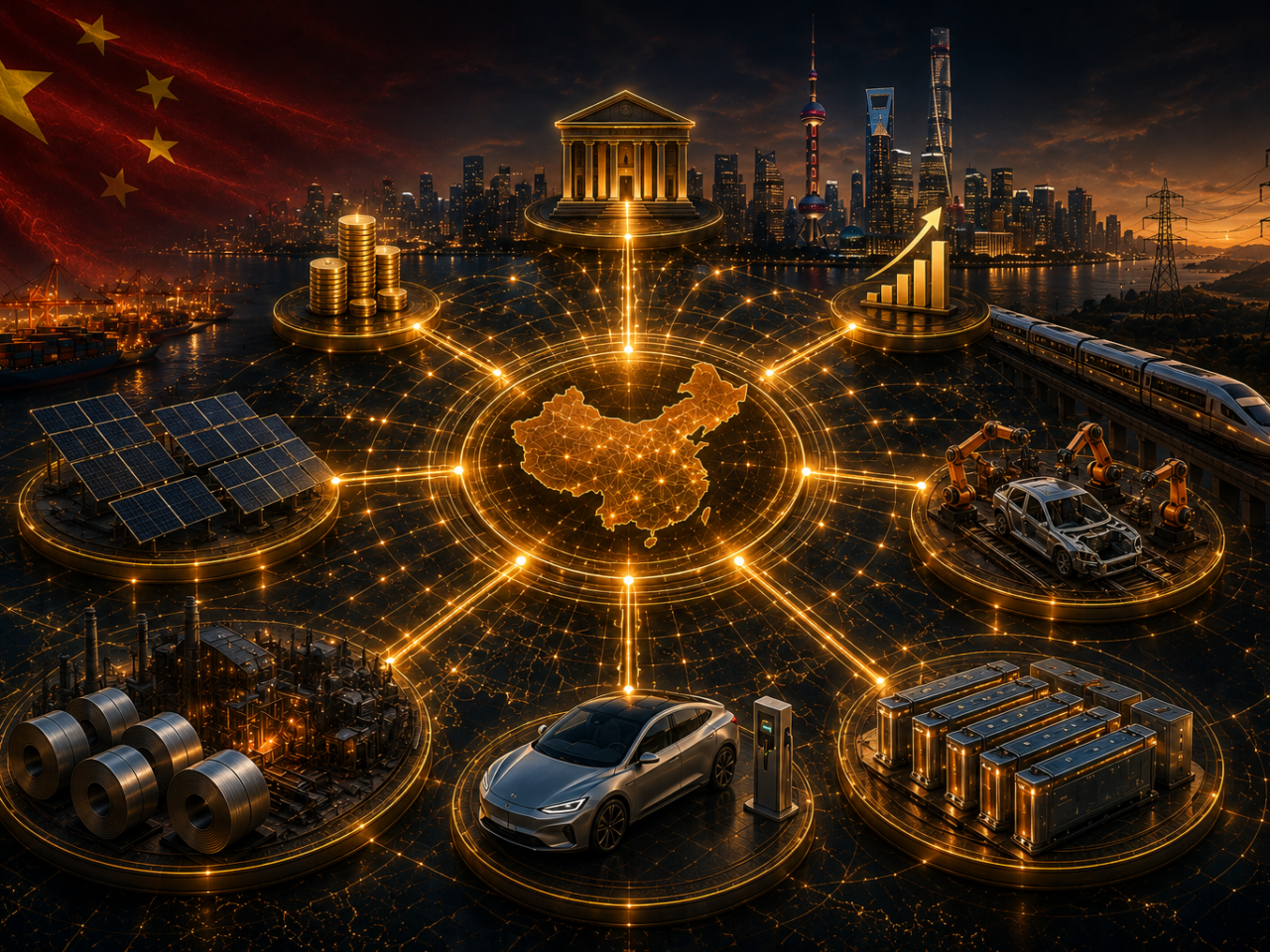
European companies and Chinese companies often compete in the same markets. Yet they frequently operate within very different economic architectures. Understanding those differences helps explain why debates about subsidies, trade and industrial policy have become increasingly central to relations between Europe and China.
Read More
Thursday, June 18, 2026

Why does China invest hundreds of billions in semiconductors, artificial intelligence, batteries and high-speed rail? The answer lies in how Beijing views economic development. Many technologies are not seen as commercial sectors alone, but as strategic infrastructure that underpins future national power.
Read More
Thursday, June 18, 2026

China is often described as communist, capitalist or something in between. Yet modern China operates through a distinctive hybrid system in which markets drive growth and innovation while the state retains the authority to guide economic development and long-term national priorities.
Read More
Saturday, June 6, 2026
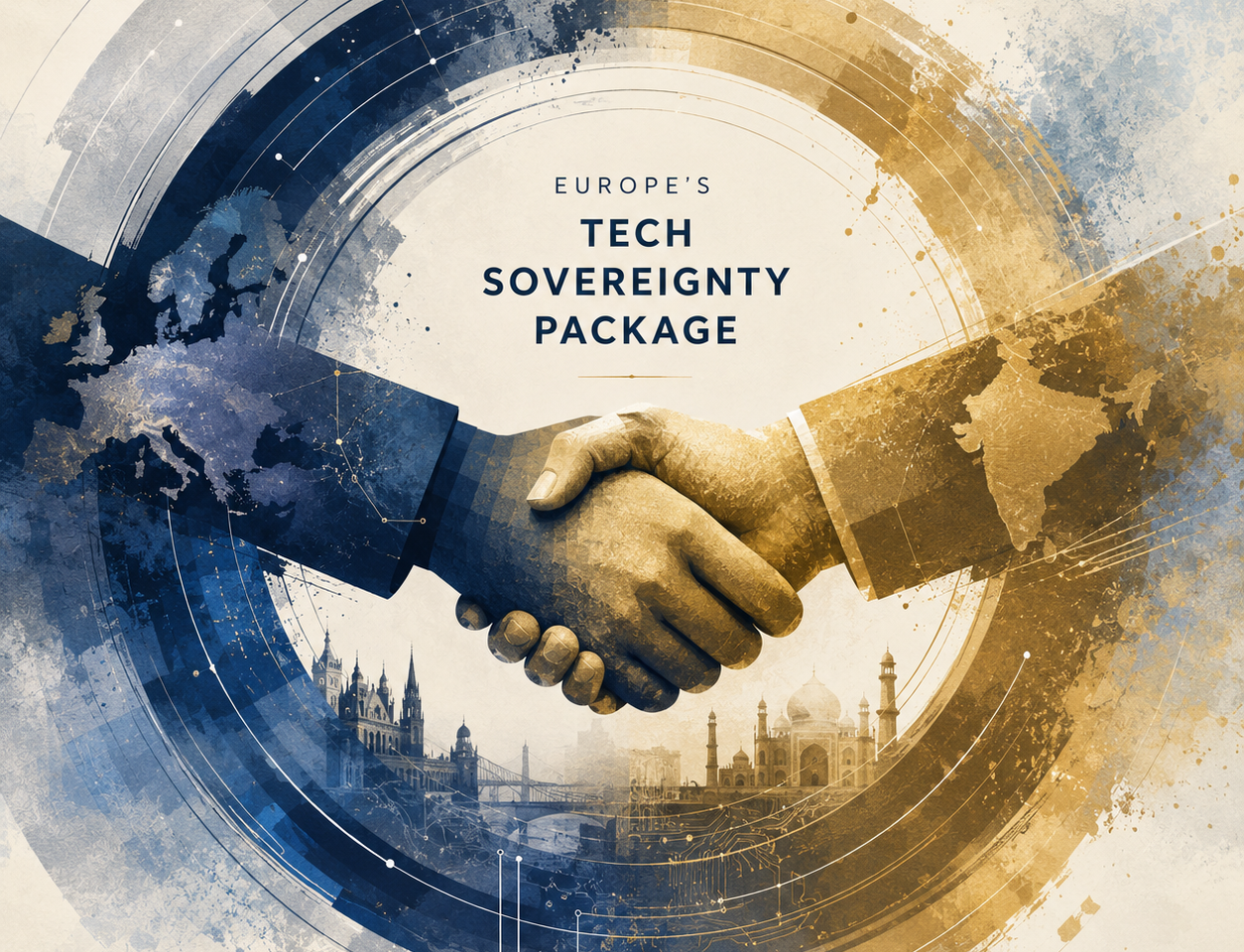
Europe’s technology strategy is not about isolation. It is about resilience through partnership. As Europe builds its capabilities in semiconductors, cloud infrastructure and artificial intelligence, cooperation with India on talent, digital infrastructure and innovation could help shape the next era of global technology.
Read More
