
As artificial intelligence reshapes global outsourcing, the Philippines faces a defining test: can the world’s call-centre capital reinvent itself as an AI-driven tech hub while navigating US–China rivalry, energy constraints and the urgent need to reskill millions of workers?
Analysis
Research-driven articles and expert perspectives examining the deeper structures behind current events, with a focus on the strategic, economic and societal forces shaping Asia’s evolving role in the world.
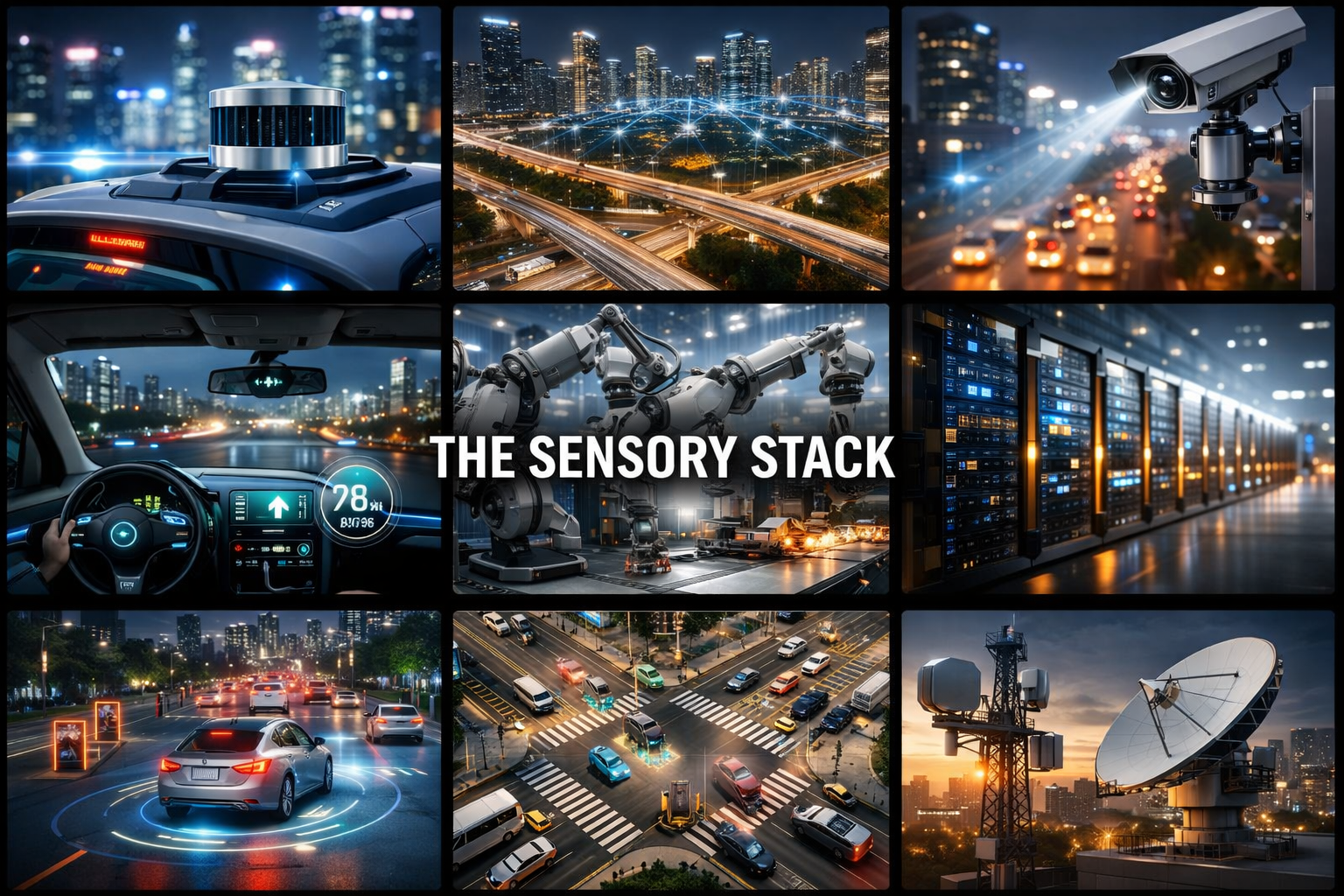
Artificial intelligence is moving beyond compute and into perception. From lidar and AR interfaces to robotic vision and sensorized cities, photonics is becoming the infrastructure that allows machines to see — and in doing so, reshapes mobility, industry and geopolitical power.

Singapore has transformed from maritime chokepoint to digital switching hub. By aligning policy, capital and advanced photonics infrastructure, the city-state positions itself as a neutral node in a fragmented world — where connectivity, density and trust increasingly define geopolitical power.

In 2026, Asia’s telecommunications landscape has shifted dramatically. The conversation is no longer about who can deploy the most 5G towers, but about who controls the “brains” of the network. Autonomous AI-driven systems, massive data flows and the need for sovereign infrastructure have redefined the competitive arena. Governments and operators are not merely investing in connectivity; they are investing in control, resilience and intelligence at the edge.

When networks become intelligent infrastructure, strategy can no longer follow technology. The Deep Reflection Report explores how AI-native telecom networks are redefining power, governance and long-term decision-making — before the transition to 6G becomes irreversible.
