
Southeast Asia sits at the center of intensifying U.S.–China rivalry, navigating a fragile balance between security and economic dependence. Through strategic autonomy and hedging, regional states resist alignment—yet rising tensions threaten to narrow the space that makes this delicate equilibrium possible.
Regional Relations
Regional relations define Asia’s geopolitical landscape through alliances, partnerships and strategic competition.
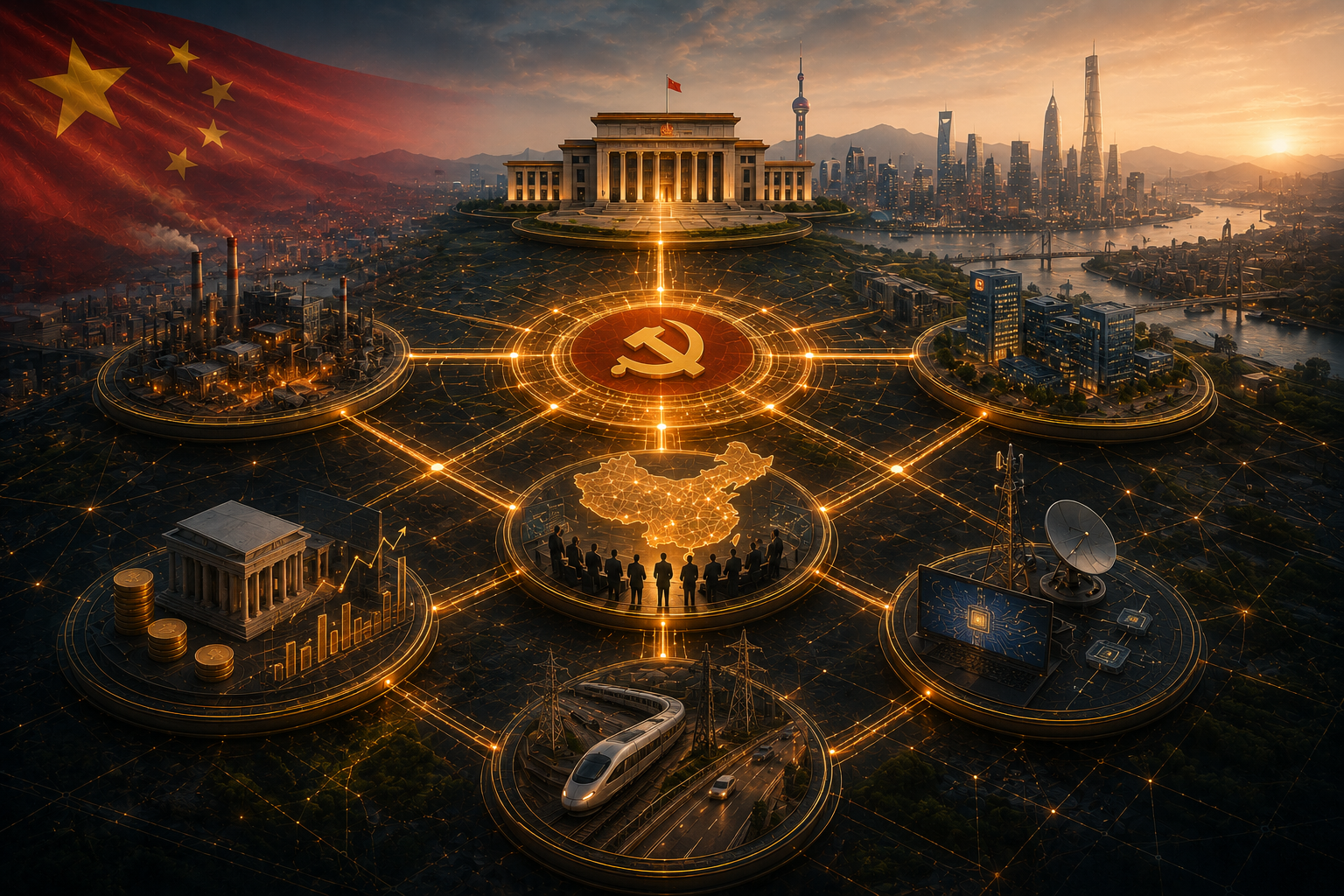
Many observers focus on China’s government or its companies. Yet understanding modern China requires examining the institution that connects them. The Communist Party functions not only as a political organisation, but also as a coordinating mechanism that links state institutions, economic development and long-term national priorities.

Macau is far more than a casino economy. Centuries of encounter between Chinese society and Portuguese institutions created a distinctive culture whose architecture, food, language and traditions still shape this small territory at the edge of southern China.

Singapore’s plan to import up to 1.3 GW of electricity via a corridor linking Vietnam, Malaysia and Singapore puts the ASEAN Power Grid to a commercial test. Who will sign long-term contracts for power expected from 2035, who will carry the risk of delays and shortfalls, and can other buyers eventually use the same connection?

As Singapore and Malaysia expand their AI cloud capacity, the Megaspeed investigation puts cross-border GPU rental under scrutiny. When computing time is resold, who verifies the end user and who bears the loss if access is suspended?
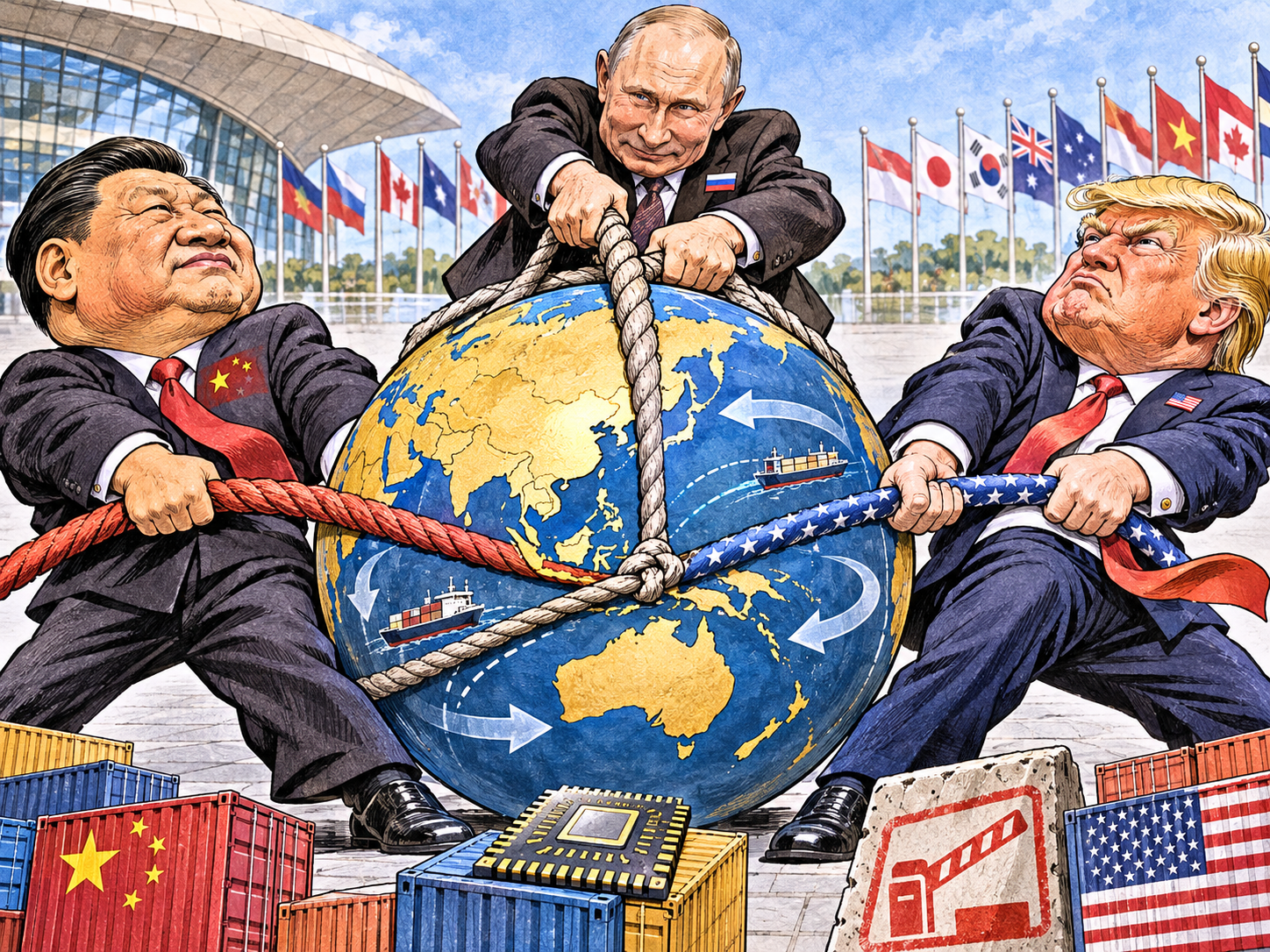
As world leaders gather in Shenzhen, the struggle for control over technology, trade and critical resources exposes a fundamental contradiction. Asia-Pacific economies depend on integration, yet Washington and Beijing increasingly determine the conditions under which others can participate. Can regional cooperation survive the politics of economic power?
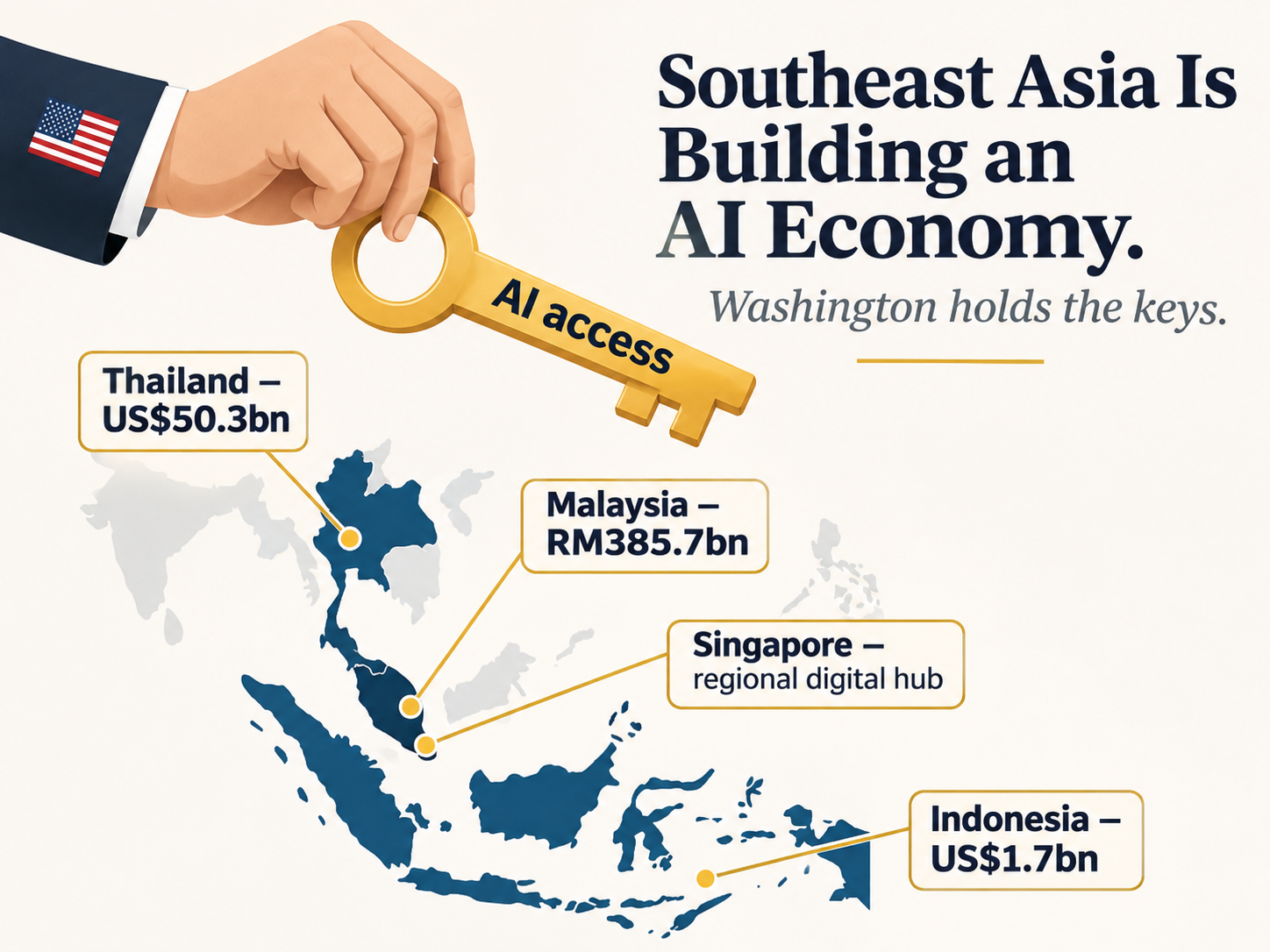
Southeast Asia is investing billions in its AI and digital infrastructure. But new US semiconductor export controls expose a strategic vulnerability: who ultimately controls access to the technology on which the region’s economic ambitions depend?
