Saturday, July 25, 2026

South Korea’s remarkable rise is often explained through technology and global brands. Yet its greatest achievement may be the rapid transformation of an entire society, where education, industrial policy and collective ambition reshaped one of the world’s most dynamic democracies within a single generation.
Read More
Saturday, July 18, 2026

Japan and South Korea combine deep cultural traditions with advanced industrial societies. This series explores how history, social values, demographic change and economic ambition continue to shape two of Northeast Asia’s most influential nations.
Read More
Friday, June 19, 2026
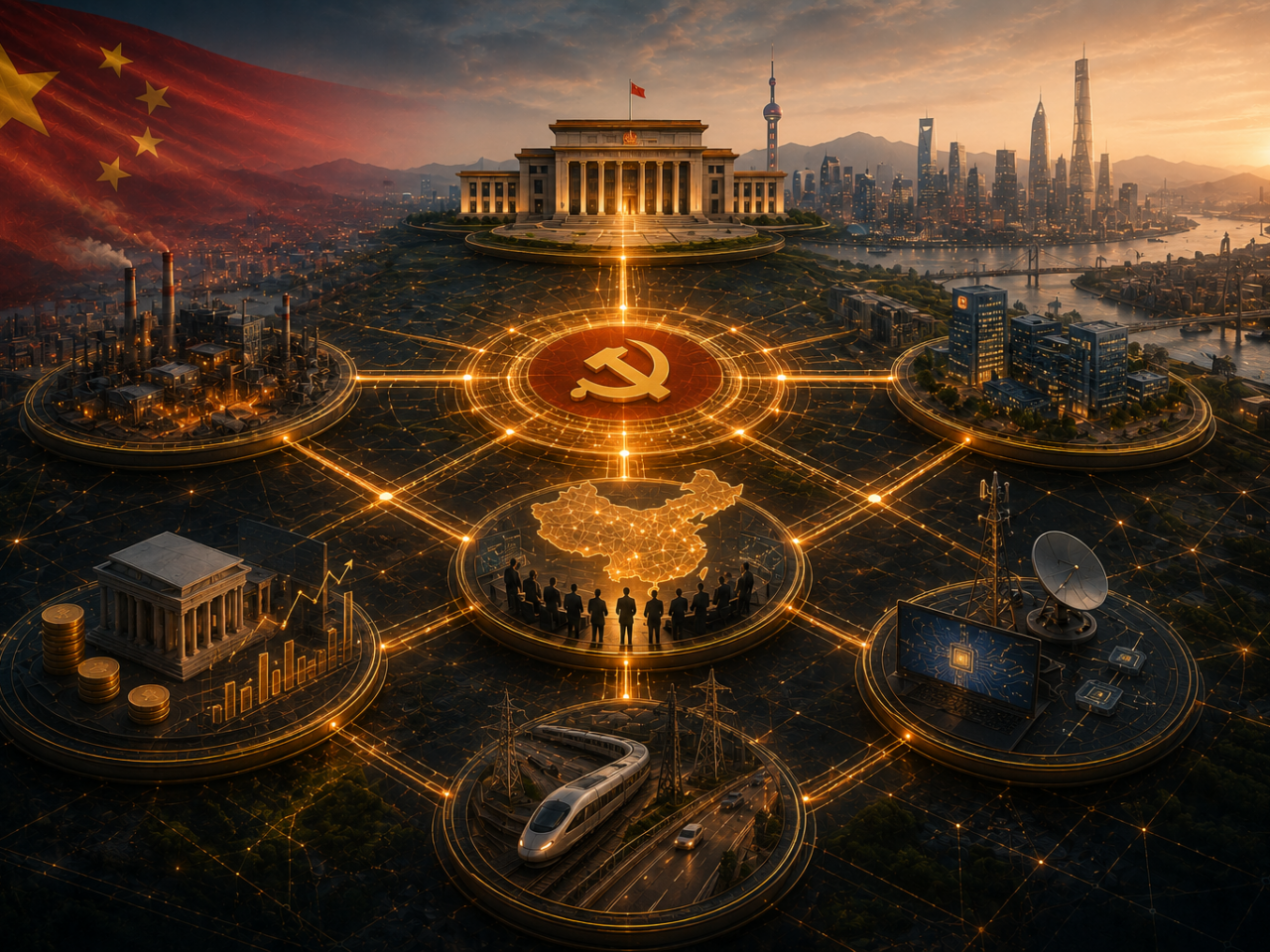
Many observers focus on China’s government or its companies. Yet understanding modern China requires examining the institution that connects them. The Communist Party functions not only as a political organisation, but also as a coordinating mechanism that links state institutions, economic development and long-term national priorities.
Read More
Thursday, June 18, 2026

Why does China invest hundreds of billions in semiconductors, artificial intelligence, batteries and high-speed rail? The answer lies in how Beijing views economic development. Many technologies are not seen as commercial sectors alone, but as strategic infrastructure that underpins future national power.
Read More
Thursday, June 18, 2026

China is often described as communist, capitalist or something in between. Yet modern China operates through a distinctive hybrid system in which markets drive growth and innovation while the state retains the authority to guide economic development and long-term national priorities.
Read More
Wednesday, June 17, 2026

China’s economic rise is often viewed through the lens of growth, technology and geopolitics. This series explores the institutional architecture behind that rise and examines how state coordination, industrial policy and strategic planning shape economic power in the twenty-first century.
Read More
Monday, June 1, 2026

India’s semiconductor ambitions are often described as a technology story. Increasingly, they look like something deeper: a shift from software to industrial capability, from talent to ecosystems, and from participation in global supply chains to becoming indispensable within them.
Read More
