
In Asia, the race for faster AI, smarter chips and next-generation networks is relentless. Governments and companies alike are pushing for more computational power, faster edge devices and instant connectivity. Yet, in the scramble for speed, one question is rarely asked: are we fully utilizing what we already have? Sometimes, the smartest move is not to accelerate—but to pause, reflect and realign.
Society & Culture

For decades, artificial intelligence was defined by Silicon Valley: large models, venture capital, global hype. But the next phase of AI is different. The challenge is no longer invention alone—it is execution at scale, across diverse societies and infrastructures. Increasingly, the answer points to Bengaluru. Once India’s outsourcing hub, today it is where AI moves from laboratory experiments to operational systems with real-world impact.
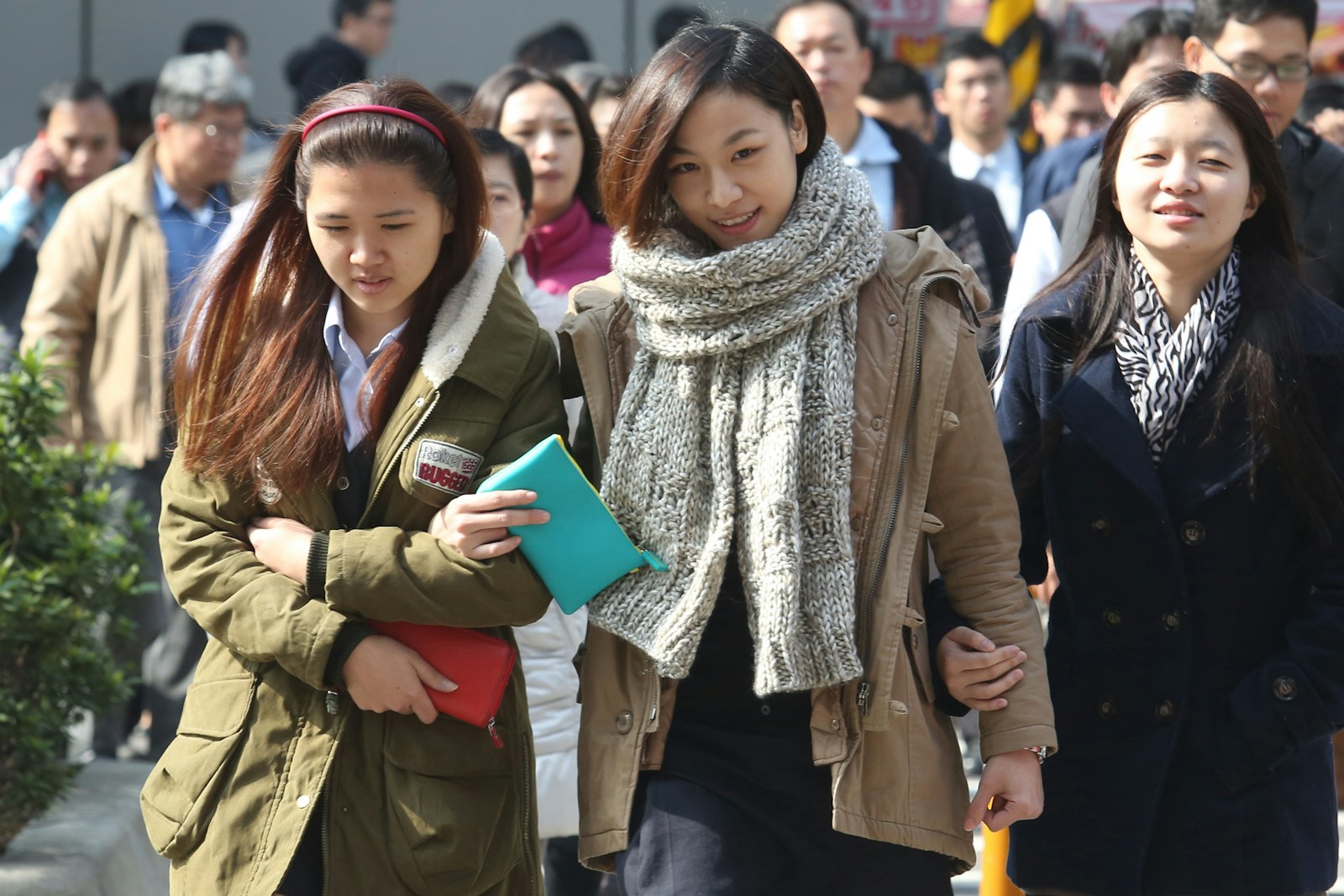
In the current geopolitical landscape, universities are no longer peripheral institutions devoted solely to education and abstract research. They have become strategic assets. Nowhere is this more visible than in Asia, where technology, state power and long-term national strategy are deeply intertwined. Rather than converging on a single model of excellence, Asia’s leading universities have specialised. Each reflects a different answer to the same underlying question: how should knowledge production serve national power, economic resilience and global positioning?

In the shadow of Asia’s rapid digitalization, a silent revolution is unfolding. Cybercrime has evolved far beyond the domain of individual hackers into a sophisticated, AI-powered industry. As companies in cities like Singapore, Ho Chi Minh City and Mumbai expand their digital infrastructures, a pressing question emerges: are our defenses capable of keeping pace with adversaries that learn, adapt and operate faster than we do?

Asia has emerged as a global hub for technological advancement, where universities are not just centers of learning but pivotal engines of national strategy. Institutions such as Tsinghua University (China), National University of Singapore (NUS) and the University of Tokyo (Japan) exemplify how academia can shape industries, influence policy and drive innovation at an unprecedented scale.
