
Singapore has transformed from maritime chokepoint to digital switching hub. By aligning policy, capital and advanced photonics infrastructure, the city-state positions itself as a neutral node in a fragmented world — where connectivity, density and trust increasingly define geopolitical power.
Latest Articles
Stay up to date with the latest reporting, analysis and commentary shaping Asia and the wider Indo-Pacific..

What appeared to be a conventional industry expo in Singapore revealed something far more consequential: a region aligning industry, capital and state power around photonics — the physical backbone of artificial intelligence, data infrastructure and future economic competitiveness in the emerging global order.

Artificial intelligence is usually discussed as software. Faster models. Bigger datasets. Smarter algorithms. But what if the real shift is not in the code — but in the physics?
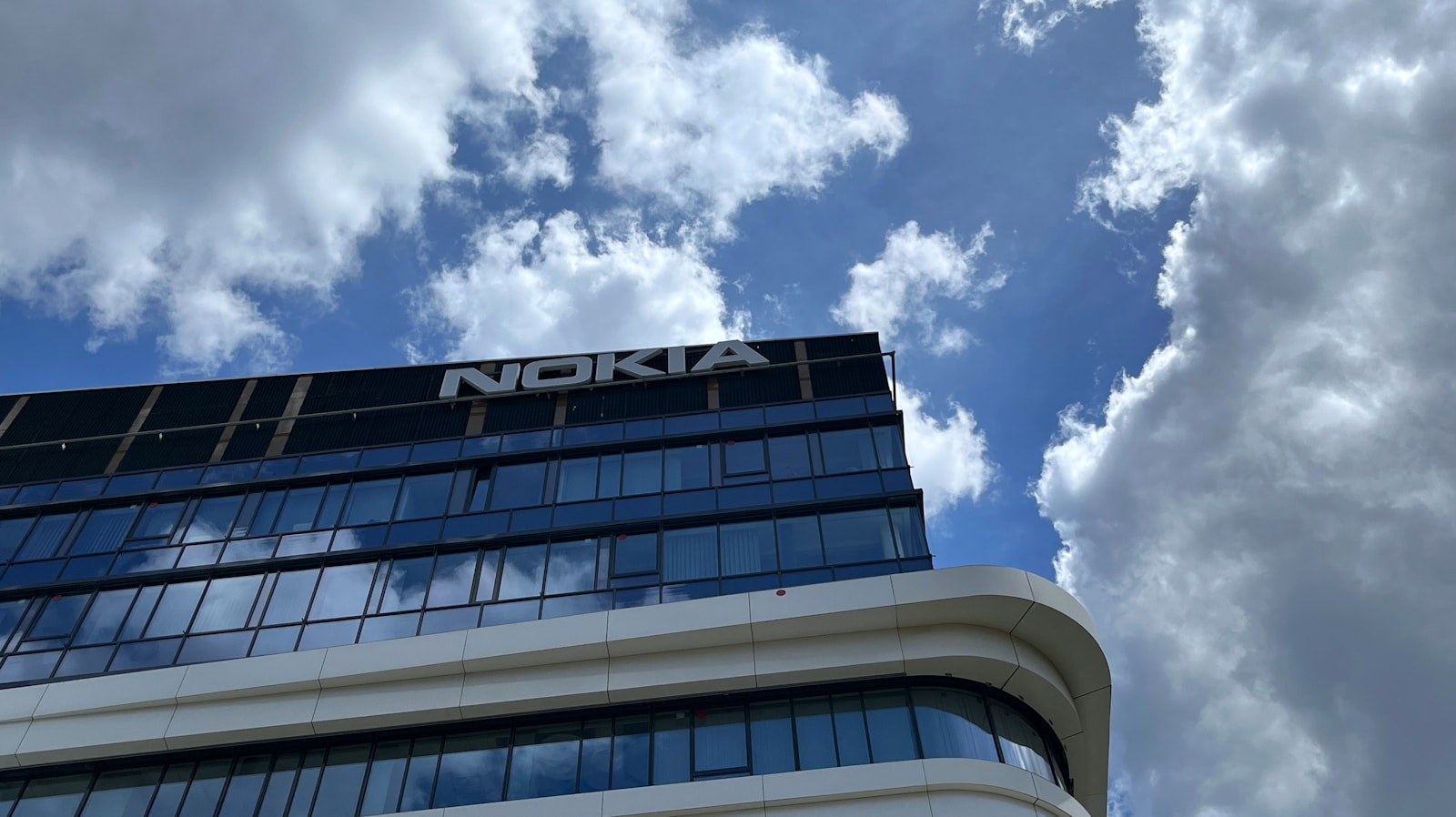
The quiet transition of Niranth Amogh from Huawei to Nokia may appear, at first glance, as an individual career decision within the global telecom industry. In reality, it signals a deeper geopolitical realignment taking shape inside the architecture of 6G. As standards become instruments of power rather than technical coordination, the Asia-Pacific region has emerged as the decisive battleground where influence is exercised not through markets or mandates, but through the control of protocols, procedures and technical language.

In 2026, Asia’s telecommunications landscape has shifted dramatically. The conversation is no longer about who can deploy the most 5G towers, but about who controls the “brains” of the network. Autonomous AI-driven systems, massive data flows and the need for sovereign infrastructure have redefined the competitive arena. Governments and operators are not merely investing in connectivity; they are investing in control, resilience and intelligence at the edge.

The air is thick with humidity and the smell of two-stroke engines. Scooters spill into intersections long before the light turns green. Street vendors push their kaki lima carts toward familiar corners, claiming the same few square meters they have occupied for years. A sudden rain darkens the asphalt. Nothing stops. Everything adapts.
