Thursday, October 1, 2026
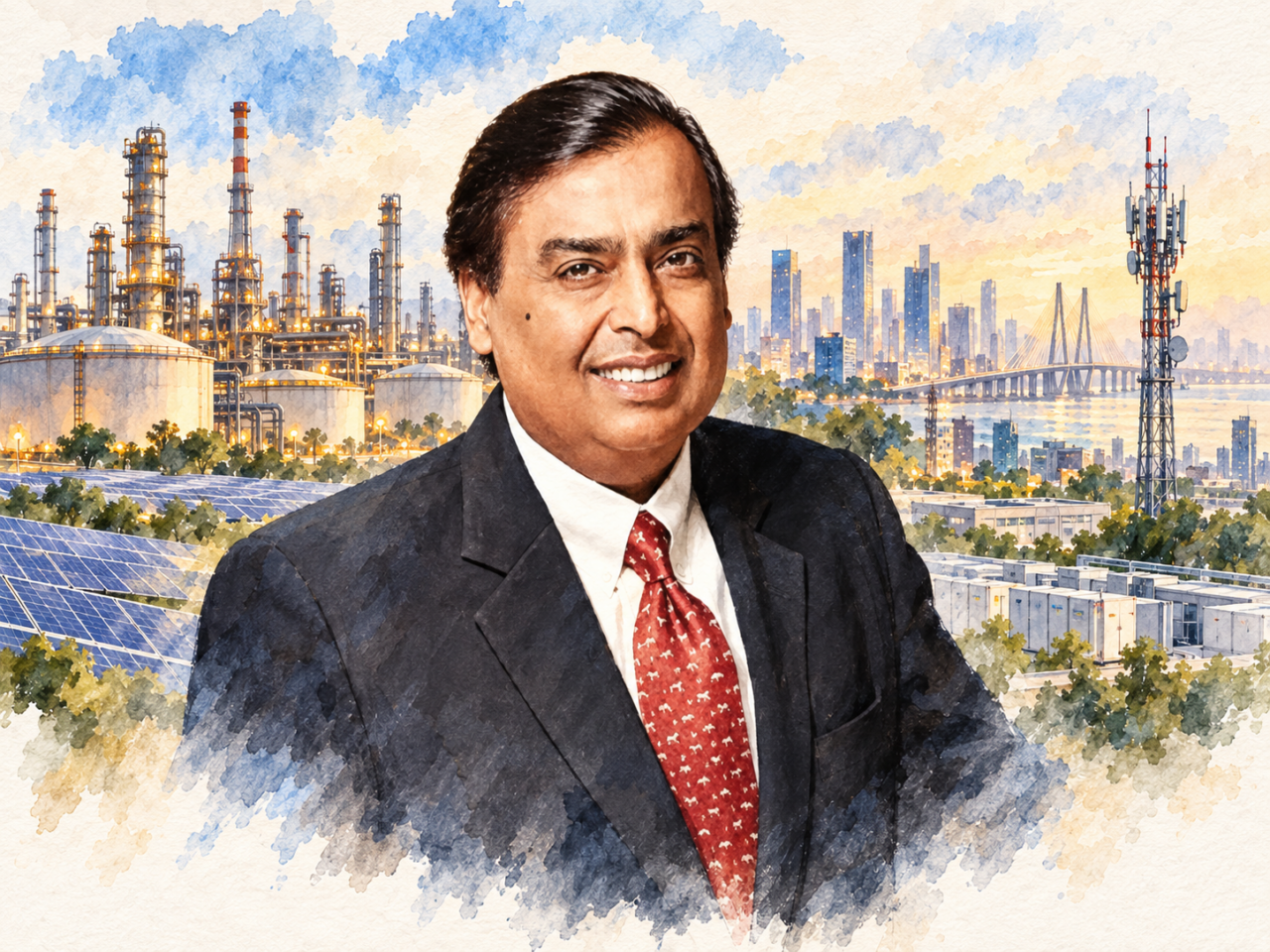
Mukesh Ambani’s real power lies not only in the size of Reliance, but in how he uses its balance sheet. Profits from mature businesses can finance new industries long before public markets are ready to price them.
Read More
Wednesday, April 8, 2026

Huawei’s 2025 results reveal not a comeback but a transformation: from global tech vendor to architect of a sovereign digital ecosystem. Under pressure from sanctions, it has built parallel systems in chips, AI, and mobility—reshaping the geopolitical technology order.
Read More
Friday, March 20, 2026

China is no longer trying to revive demand-driven growth. Instead, policy is shifting toward strategic industries that strengthen technological control and export capacity, signaling a deeper transition from cyclical stimulus to a production-focused economic model built for long-term resilience.
Read More
Wednesday, March 18, 2026

Diplomacy is being reshaped by code, data and digital infrastructure. Across Asia, states compete not only through negotiations, but by controlling the systems that define connectivity, influence and sovereignty in an increasingly fragmented technological order.
Read More
Tuesday, March 17, 2026

Minilateral alliances are reshaping the Indo-Pacific, offering speed and flexibility in an era of strategic rivalry. As traditional institutions struggle with consensus, smaller coalitions redefine how power, cooperation and security are organised across an increasingly fragmented global order.
Read More
Sunday, March 15, 2026

Global supply chains are not collapsing but being rewired. As companies diversify production beyond China, a new manufacturing geography is emerging across Asia, linking Southeast Asia, India and East Asia into a more complex and resilient network of trade.
Read More
Friday, February 27, 2026

As artificial intelligence reshapes global outsourcing, the Philippines faces a defining test: can the world’s call-centre capital reinvent itself as an AI-driven tech hub while navigating US–China rivalry, energy constraints and the urgent need to reskill millions of workers?
Read More
Saturday, February 21, 2026

Artificial intelligence is moving beyond compute and into perception. From lidar and AR interfaces to robotic vision and sensorized cities, photonics is becoming the infrastructure that allows machines to see — and in doing so, reshapes mobility, industry and geopolitical power.
Read More
Monday, February 16, 2026
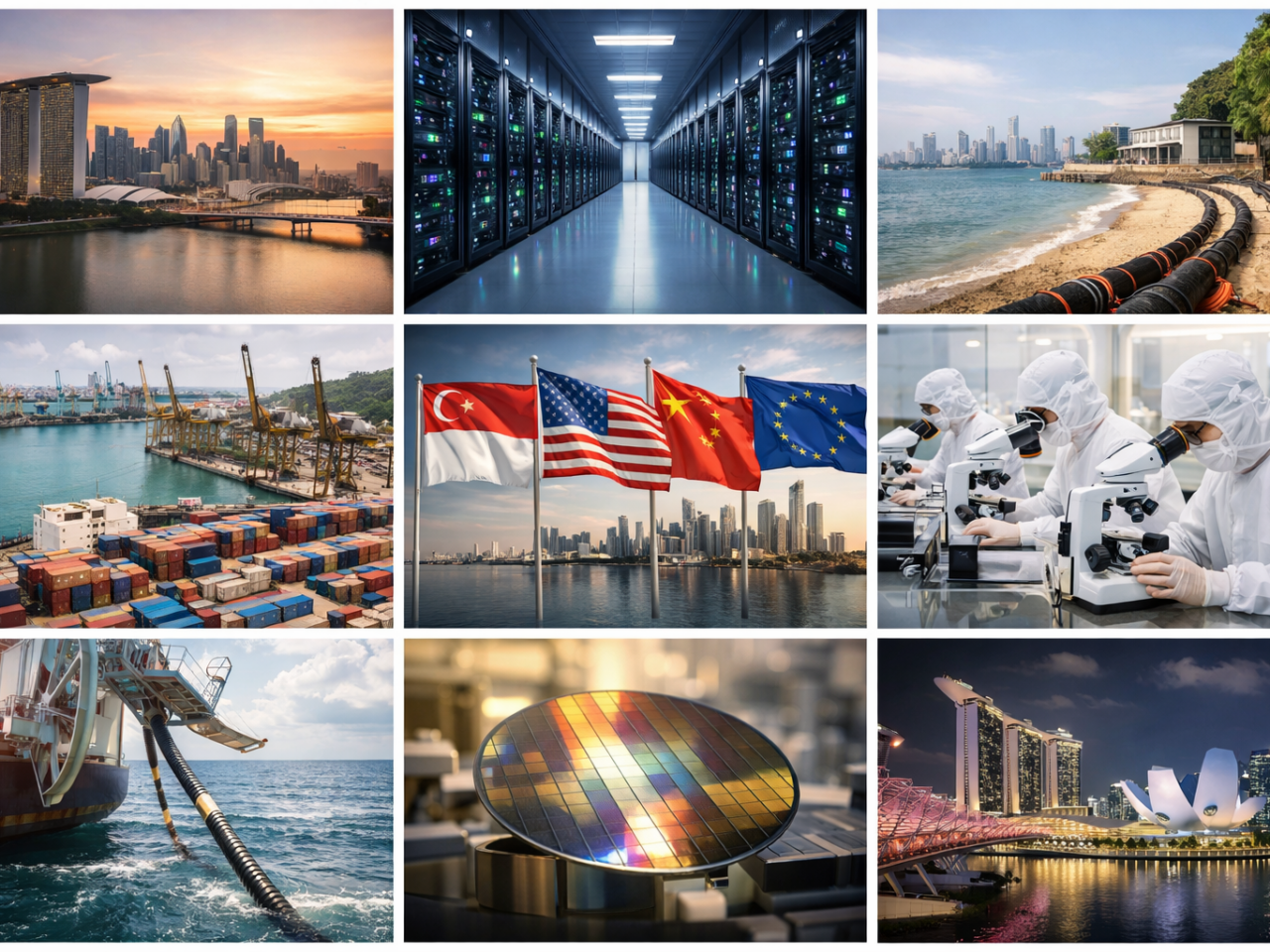
Singapore has transformed from maritime chokepoint to digital switching hub. By aligning policy, capital and advanced photonics infrastructure, the city-state positions itself as a neutral node in a fragmented world — where connectivity, density and trust increasingly define geopolitical power.
Read More
Friday, January 30, 2026

In 2026, Asia’s telecommunications landscape has shifted dramatically. The conversation is no longer about who can deploy the most 5G towers, but about who controls the “brains” of the network. Autonomous AI-driven systems, massive data flows and the need for sovereign infrastructure have redefined the competitive arena. Governments and operators are not merely investing in connectivity; they are investing in control, resilience and intelligence at the edge.
Read More
