Thursday, June 18, 2026
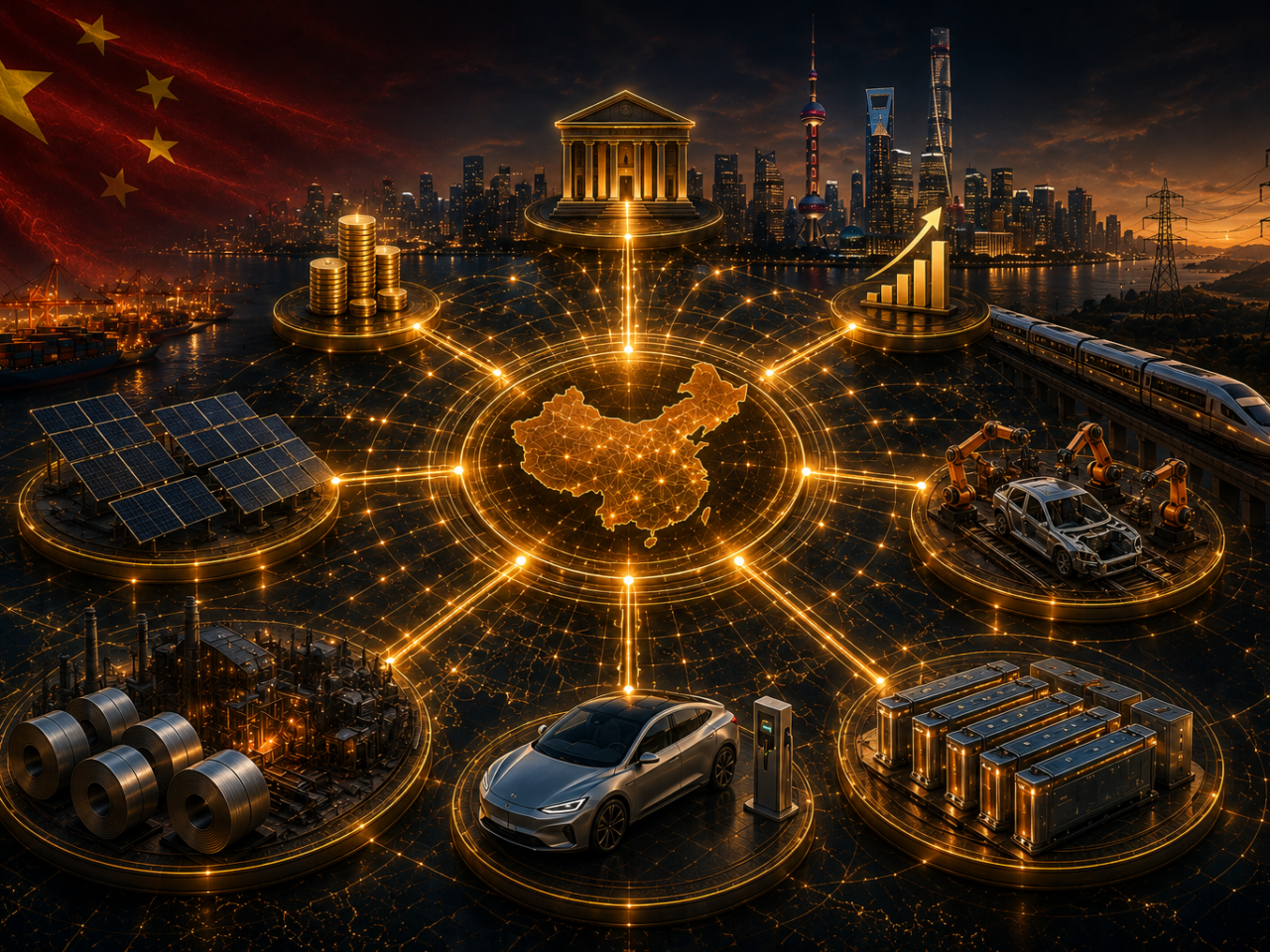
European companies and Chinese companies often compete in the same markets. Yet they frequently operate within very different economic architectures. Understanding those differences helps explain why debates about subsidies, trade and industrial policy have become increasingly central to relations between Europe and China.
Read More
Thursday, June 18, 2026

Why does China invest hundreds of billions in semiconductors, artificial intelligence, batteries and high-speed rail? The answer lies in how Beijing views economic development. Many technologies are not seen as commercial sectors alone, but as strategic infrastructure that underpins future national power.
Read More
Monday, June 1, 2026

India’s semiconductor ambitions are often described as a technology story. Increasingly, they look like something deeper: a shift from software to industrial capability, from talent to ecosystems, and from participation in global supply chains to becoming indispensable within them.
Read More
Tuesday, May 26, 2026
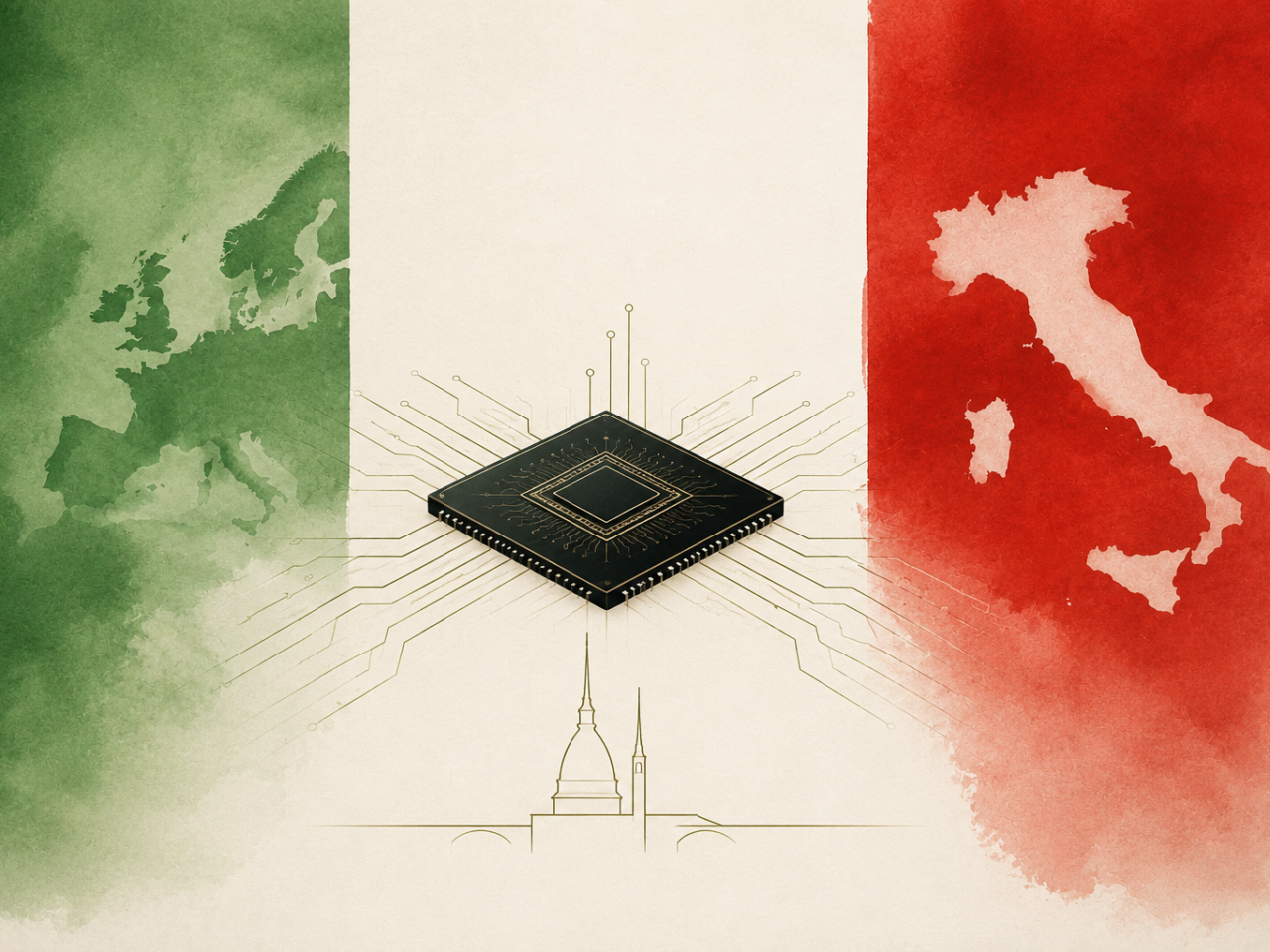
As AI infrastructure transforms the semiconductor industry, Europe is quietly shifting its strategy away from full technological autonomy and toward a model built around critical infrastructure, systems integration and technological indispensability.
Read More
Monday, January 5, 2026

In discussions about Europe’s digital future, attention often gravitates toward regulation, artificial intelligence breakthroughs or geopolitical competition. Less visible, but equally influential, are the organisations that operate in the space between industry, institutions and long-term strategy. DIGITALEUROPE is one of those actors — not a technology company, not a political body, but a connective force shaping how Europe’s digital transformation is framed and governed.
Read More
Saturday, January 3, 2026

For much of the past decade, the global technology debate has been framed around a misleading opposition: innovation versus regulation. In the United States, platforms scaled first and negotiated governance later. In China, innovation advanced within systems of state command. Europe, meanwhile, has often tried to civilise markets only after they had already reshaped society. Singapore never fully accepted this framing.
Read More
