Who Will Buy the Power That Connects Southeast Asia?
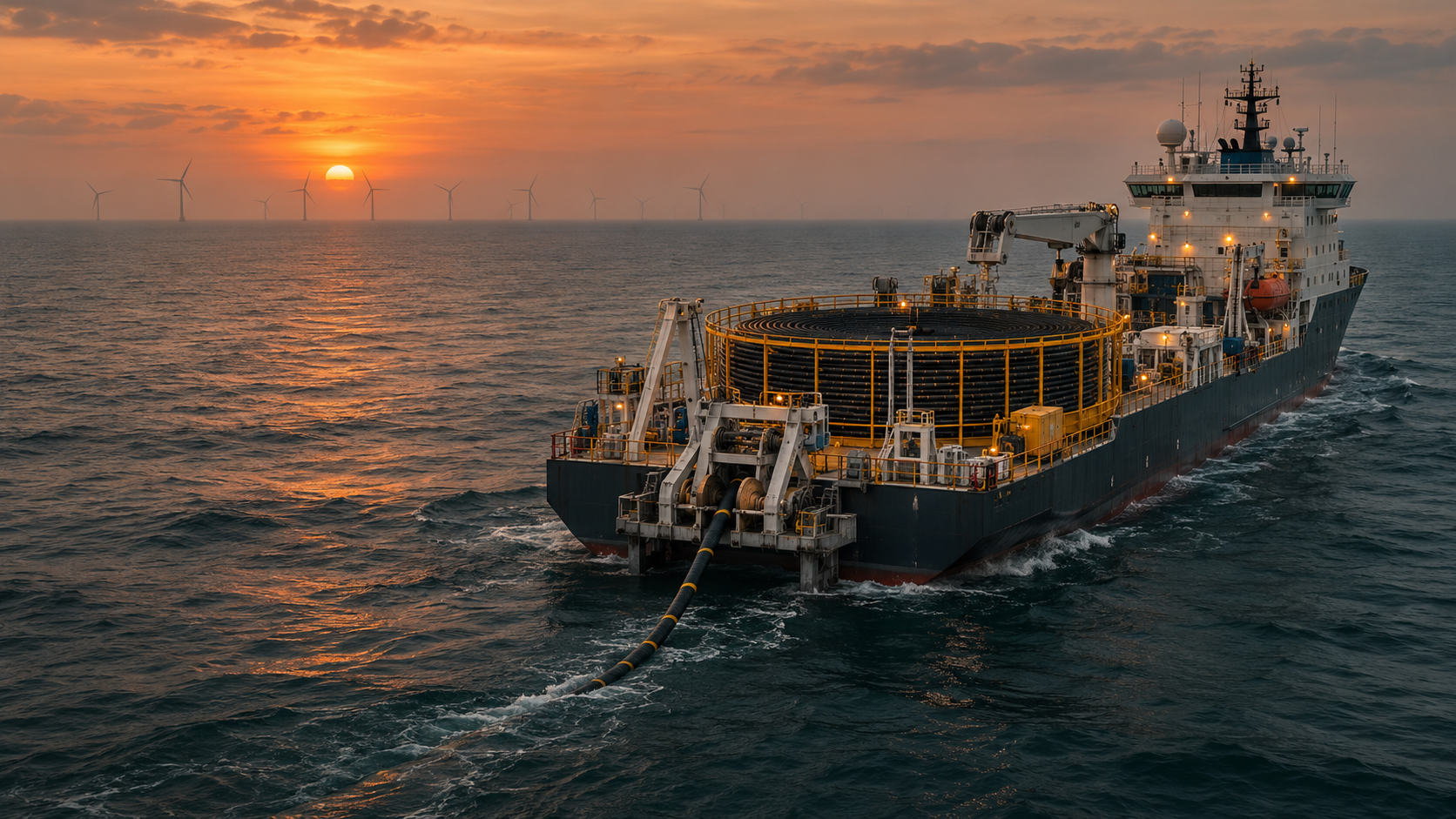
Singapore’s 1.3 GW import plan tests the commercial foundations of the ASEAN Power Grid.
On 26 October, Singapore’s Energy Market Authority granted Sembcorp conditional approval to import up to 1.3 gigawatts of electricity through a corridor linking Vietnam, Malaysia and Singapore. The consortium is targeting 2035 for first deliveries. It still needs permits, power purchase agreements and financing, while Singapore is already moving to allocate more capacity for data centres.
The project would combine Vietnamese offshore wind with Malaysian solar power and battery storage. Malaysia would both receive electricity and carry it onward to Singapore. That arrangement puts three questions at the centre of the project. Who commits to buy the power, who carries the delivery risk and who else could eventually use the connection?
🟧 Who will sign for electricity that may arrive in 2035?
Singapore’s conditional approval names Sembcorp as the importer. The consortium still has to secure power purchase agreements with buyers. For lenders, the value of those agreements will depend on who signs, what they commit to buy and what remedies they have if delivery starts late. www.ema.gov.sg
A buyer wants a credible delivery date before signing. The developers need credible buyers before they can secure financing. A contract can bridge that gap through milestones and conditions, but the parties still have to decide who carries the cost if a milestone slips.
🟧 Can data centres anchor a project on a different timetable?
Singapore’s second data centre allocation aims to make at least 200 MW of data centre capacity available. The corridor is targeting first imports in 2035, and the project announcement names no data centre operator as a buyer. The two plans expose a timing problem. An operator opening earlier has to secure power from the day it starts running. www.imda.gov.sg
A hyperscaler could help finance the corridor with a long-term purchase commitment. But if it has already secured supply for its first facilities, the corridor may be competing for the operator’s next expansion or a future contract renewal. Rising demand helps the investment case once a buyer can commit to a volume and a delivery date.
🟧 How much power can Singapore count on in a tight hour?
The 1.3 GW is the proposed import ceiling. The amount of firm capacity a buyer can contract depends on what the supplier can guarantee when wind or solar output falls, batteries run down or part of the transmission route is unavailable. The announced mix of wind, solar and storage gives the consortium several ways to shape deliveries. The commercial terms will determine how far that flexibility goes.
An annual renewable electricity purchase and a guarantee of delivery during a tight evening peak are different products. The latter requires someone to provide storage, backup or replacement power and bear the cost when it is needed most.
🟧 Who carries the risk of a late cable or a delayed permit?
The developers have proposed a new subsea cable and transmission through the Peninsular Malaysian grid. The published proposal establishes the corridor’s concept. The precise cable alignment and its permits still matter to the investment decision. For the South China Sea leg, the route will determine which authorities must clear surveys, cable laying and landfall. A delay can change the construction schedule and financing terms well before it affects electricity deliveries.
If the wind farm is ready before the cable, the generator may have to find another buyer or wait for export revenue. If the cable is ready first, its owner could carry financing costs while it sits underused. Each side has an incentive to make its own investment conditional on progress elsewhere in the corridor.
🟧 What does Malaysia get for carrying the power?
Sembcorp describes Malaysia as both a recipient and a transit country. Under the proposed arrangement, Vietnamese electricity would supply buyers in Malaysia and Singapore, with the Peninsular Malaysian grid carrying power onward. That gives Malaysia a direct stake in how capacity is allocated and how network use is priced.
A wheeling charge would affect both the delivered price in Singapore and the return Malaysia receives for use of its grid. Access has a value of its own. If Malaysian industrial demand rises or the network becomes constrained, can the onward flow to Singapore be curtailed? A Singapore buyer’s willingness to pay will depend in part on the answer and on who covers the cost of replacement power.
🟧 Can other buyers use the corridor once it is built?
ASEAN already has a precedent for trading power across several borders. The Laos–Thailand–Malaysia–Singapore project started with imports of up to 100 MW over existing interconnectors. Its second phase raised the trading ceiling to 200 MW. The Vietnam–Malaysia–Singapore project brings a different test. It would develop new infrastructure around a specific supply arrangement.
The first buyers may need reserved capacity to justify signing long-term contracts. A regional market needs rules for releasing unused capacity, pricing access and deciding whose deliveries take priority when the network is constrained. Those rules will determine whether later buyers can trade through the corridor on terms they can price.
Signal
The next commercial milestone is a signed power purchase agreement. Who buys, what can they count on receiving and who pays if delivery falls short? The answers will show how much of the proposed 1.3 GW can support an investment decision.
Sources and context
- Singapore Energy Market Authority on the 1.3 GW conditional approval
- Sembcorp on the proposed corridor and Malaysia’s role
- Sembcorp on the subsea cable and use of the Peninsular Malaysian grid
- IMDA on Singapore’s second data centre capacity allocation
- Singapore Energy Market Authority on the Laos–Thailand–Malaysia–Singapore trading precedent
Caption
A cable-laying vessel near an offshore wind farm illustrates the proposed electricity corridor that would carry power from Vietnam through Malaysia to Singapore.
Image credit
Altair Media Asia / AI-generated editorial illustration (OpenAI)
