Thursday, December 11, 2025

In just a few years, Mistral AI has transformed from an ambitious French startup into one of the most closely watched players in the global AI landscape. Founded in 2023 by former researchers from Google DeepMind and Meta, the company has become a symbol of Europe’s determination to build its own AI champions — fast, powerful and open by design.
Read More
Wednesday, December 3, 2025

Poland is not always the first country mentioned when discussing Europe’s AI landscape. Yet beneath the surface, the country is building momentum with surprising speed. What started as scattered research initiatives has grown into a coordinated national strategy — supported by government funding, major infrastructure projects, expanding academic programs and a growing private-sector footprint.
Read More
Tuesday, December 2, 2025

When most people think of Greece, images of the Acropolis, sun-drenched islands and ancient philosophers come to mind. But in labs tucked away across Athens and other cities, a different kind of innovation is quietly taking shape — artificial intelligence. Greek universities are carving out a space for the country in Europe’s fast-evolving AI ecosystem, blending tradition with cutting-edge technology.
Read More
Sunday, November 30, 2025

AI is not a technological upgrade but a structural rupture. For the first time in two centuries, a technology wave is not merely reorganizing labor but actively absorbing cognitive work at scale. Tasks that once required teams of analysts, developers, legal staff or financial specialists can now be executed in minutes. This is not automation as we knew it; it is capability displacement in its purest form.
Read More
Saturday, November 29, 2025

Europe wants to protect its citizens and lead the world in responsible innovation. Yet the digital economy increasingly demands something regulators never anticipated: algorithms that grow stronger by consuming vast volumes of data. This tension has created what many now call the data trap — a space where innovators hesitate, policymakers tighten their grip and both sides wonder whether the rules that once defined Europe’s digital identity can still carry its ambitions forward.
Read More
Friday, November 28, 2025

Europe’s economic strength has always depended on its people. Yet in a world where AI, deep tech and advanced manufacturing are reshaping labour markets at high speed, talent has become a strategic resource — as critical as energy or raw materials. The nations that thrive will be those that treat talent development not as an educational outcome, but as a national mission.
Read More
Friday, November 28, 2025

France approaches artificial intelligence not merely as a technological tool, but as an instrument of national power. Unlike Germany’s industrial pragmatism or the UK’s research-driven model, France explicitly positions AI as a lever for European sovereignty, both economically and strategically. From the government-backed Mistral AI initiative to Thales’ defence applications, Paris is asserting that Europe can—and must—control its own AI destiny
Read More
Friday, November 28, 2025
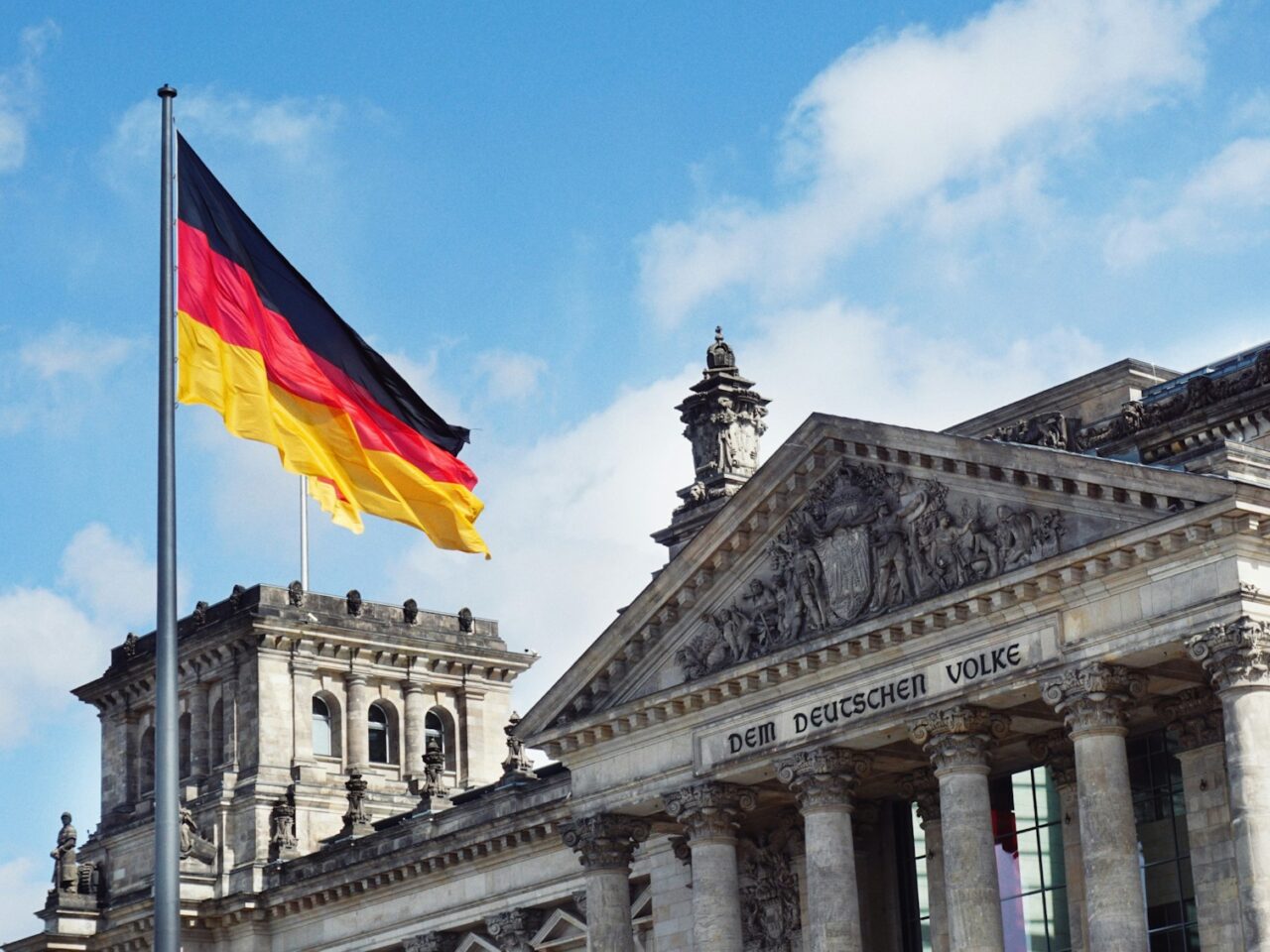
Germany does not dominate headlines in the global AI race. It does not chase frontier models with the same fervour as the United States or China. Instead, Germany is building something far more structurally important: an AI-enabled industrial base that underpins Europe’s economic strength—and increasingly, its strategic autonomy.
Read More
Friday, November 28, 2025

Europe is entering a decisive phase in its technological trajectory. While the global AI race is often framed as a binary contest between the United States and China, the real story is more complex. Europe is quietly, sometimes reluctantly, shaping itself into a multi-node AI power structure—one built on industrial strength, democratic governance and a patchwork of national strategies that do not always align but together form a distinctive technological identity.
Read More
Thursday, November 27, 2025
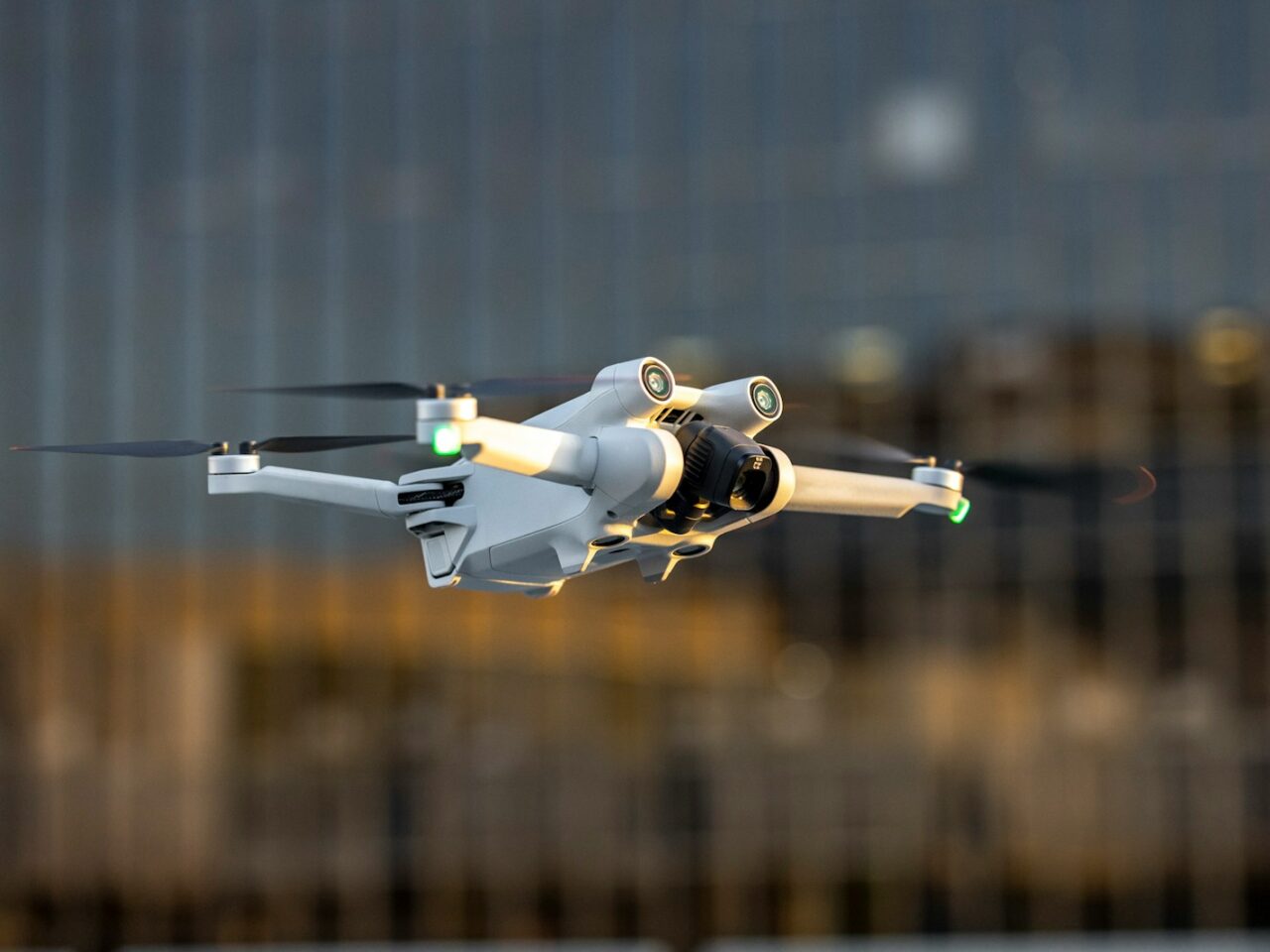
Artificial intelligence is transforming every industry, but nowhere is its impact as profound as in the defence sector. For decades, military innovation moved in predictable cycles, centred around large hardware projects and slow technological maturation. AI disrupts that rhythm entirely. It accelerates processes, shifts decision-making and moves the balance of power from who has the most equipment to who can interpret information the fastest.
Read More
