Saturday, December 6, 2025

Imagine the world of artificial intelligence as a grand theater production, where the curtain rises on three distinct acts. In the blinding spotlights of center stage stand the Magnificent Seven – a cadre of American tech titans whose combined market capitalization hit $20.8 trillion by late 2025, eclipsing the European Union’s entire GDP of $19.4 trillion. These companies – Apple, Amazon, Alphabet, Meta, Microsoft, Nvidia, and Tesla – don’t just perform; they rewrite the script, dictating the pace of innovation with a charisma that’s impossible to ignore.
Read More
Friday, December 5, 2025

Yesterday Geoffrey Hinton, the man who taught machines to dream, gave his verdict: Google will win the AI race. Not maybe. Not probably. Will.
Read More
Friday, November 28, 2025

Europe is entering a decisive phase in its technological trajectory. While the global AI race is often framed as a binary contest between the United States and China, the real story is more complex. Europe is quietly, sometimes reluctantly, shaping itself into a multi-node AI power structure—one built on industrial strength, democratic governance and a patchwork of national strategies that do not always align but together form a distinctive technological identity.
Read More
Thursday, November 27, 2025
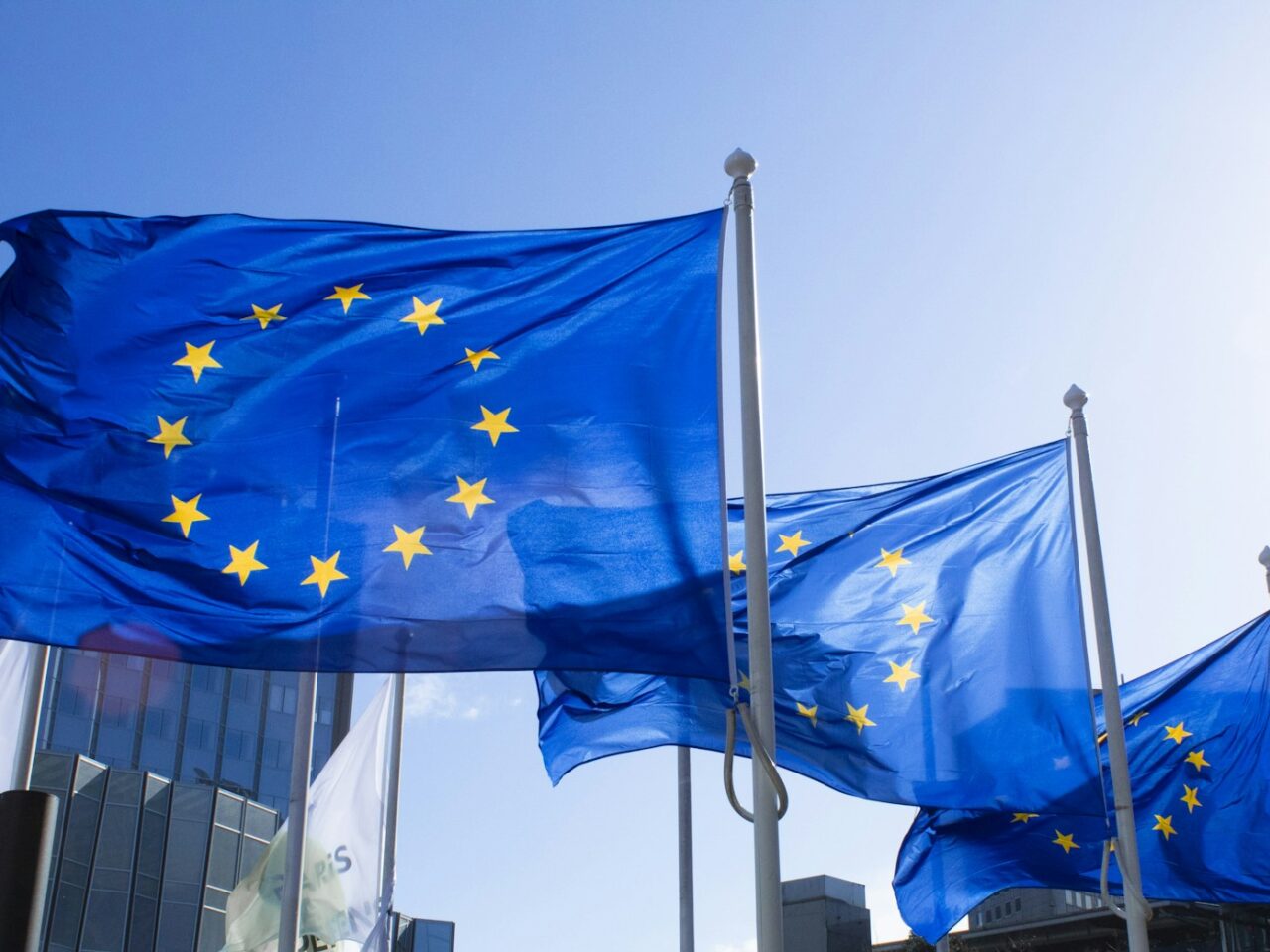
When Thierry Breton stepped down as European Commissioner in 2024, he left behind a legacy of ambition and vision for Europe’s technological future. Breton had pushed for digital sovereignty, stronger industrial and AI policies and a robust regulatory framework. Yet, the landscape he helped shape has evolved into something far more complex than any single individual could steer.
Read More
Monday, November 24, 2025

Europe has spent the last decade defining itself through rules. From data protection to online platforms and now artificial intelligence, the continent has become the world’s most assertive regulatory power. It is a role Europe embraces proudly: the guardian of ethics, human rights and democratic values in a digital age often dominated by commercial or authoritarian interests.
Read More
