Saturday, November 29, 2025

Quantum computing is not just the next step in computing: it is a fundamentally different paradigm. Unlike traditional computers, which use bits that are either 0 or 1, a quantum computer uses quantum bits — qubits. These qubits can exist in superposition (both 0 and 1 simultaneously) and can become entangled with one another, meaning their states become deeply linked even when separated.
Read More
Saturday, November 29, 2025
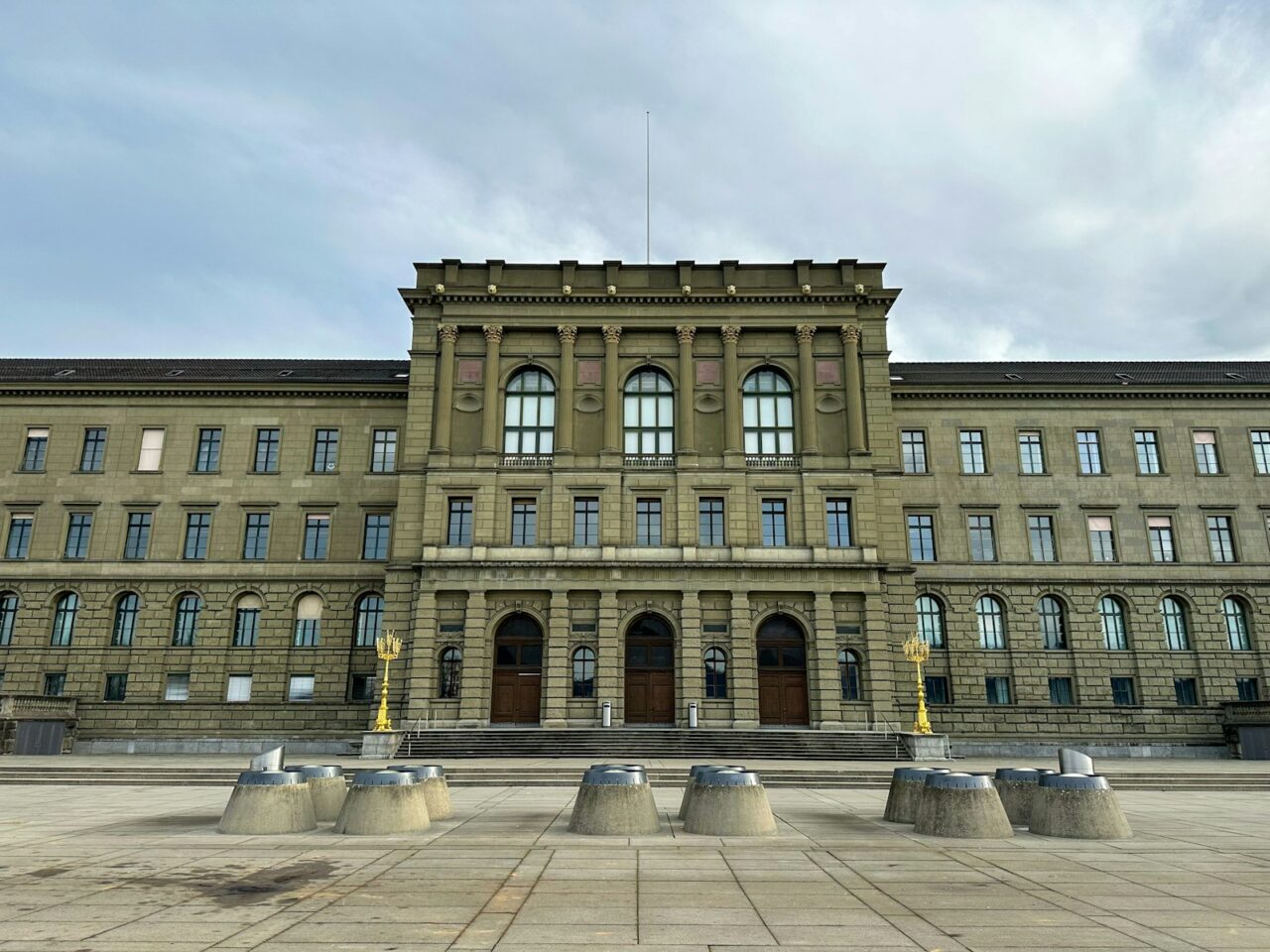
Europe is home to some of the world’s most prestigious AI faculties. Institutions like ETH Zürich, the Technical University of Munich, EPFL, Oxford and Cambridge consistently produce research that ranks among the very best globally. Their professors are leaders in fields such as robotics, neuro-symbolic AI and trustworthy AI, attracting top PhD students and forming vibrant hubs of expertise. With such talent and intellectual firepower, Europe should, on paper, be a major force in the AI landscape.
Read More
Friday, November 28, 2025
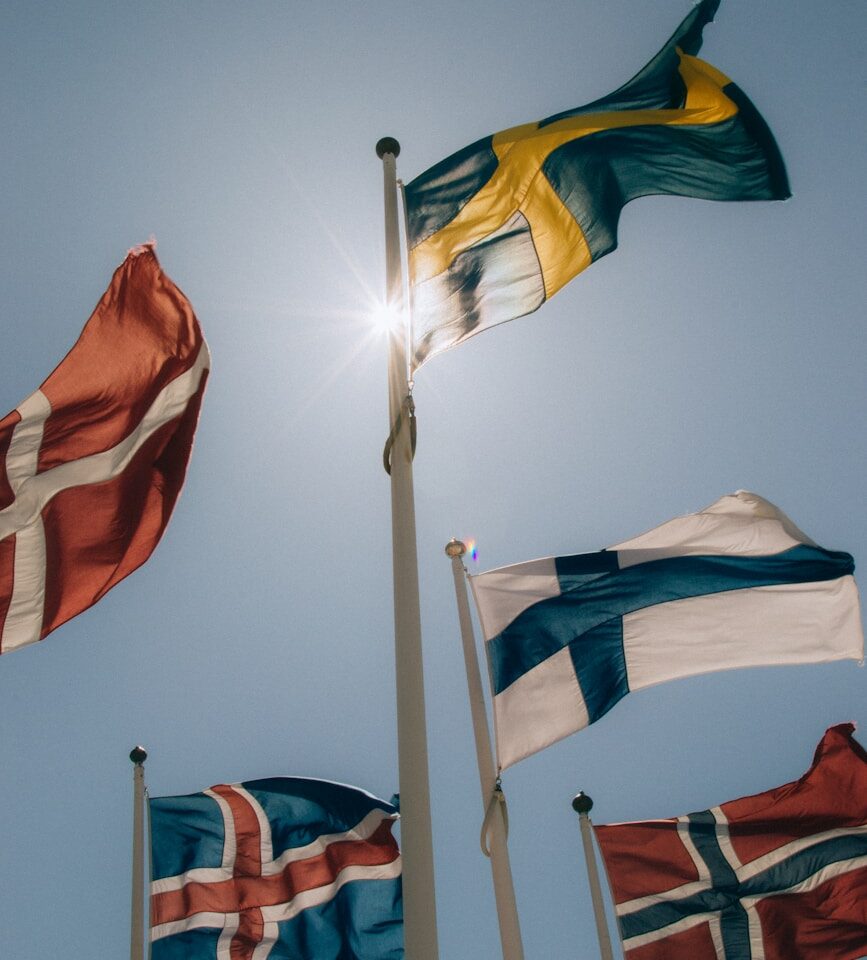
Scandinavia is not building an AI empire — it is building Europe’s most human-centric, digitally mature ecosystem. Finland and Sweden combine deep digital readiness with a pragmatic philosophy: AI is not meant to impress, but to work. Here, AI is treated not as a vision of the future, but as a public utility.
Read More
Friday, November 28, 2025

France approaches artificial intelligence not merely as a technological tool, but as an instrument of national power. Unlike Germany’s industrial pragmatism or the UK’s research-driven model, France explicitly positions AI as a lever for European sovereignty, both economically and strategically. From the government-backed Mistral AI initiative to Thales’ defence applications, Paris is asserting that Europe can—and must—control its own AI destiny
Read More
Friday, November 28, 2025
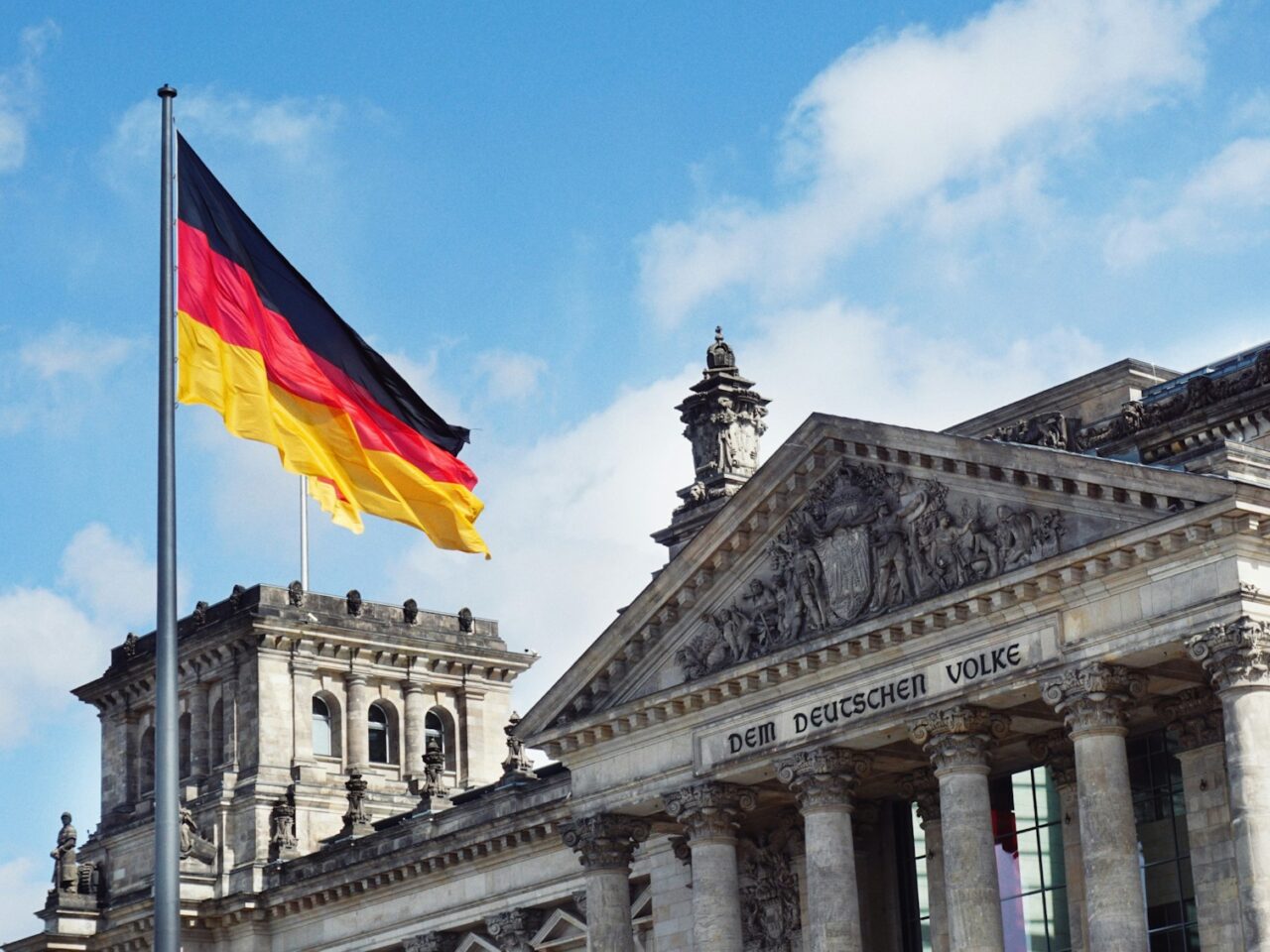
Germany does not dominate headlines in the global AI race. It does not chase frontier models with the same fervour as the United States or China. Instead, Germany is building something far more structurally important: an AI-enabled industrial base that underpins Europe’s economic strength—and increasingly, its strategic autonomy.
Read More
Friday, November 28, 2025

Europe is entering a decisive phase in its technological trajectory. While the global AI race is often framed as a binary contest between the United States and China, the real story is more complex. Europe is quietly, sometimes reluctantly, shaping itself into a multi-node AI power structure—one built on industrial strength, democratic governance and a patchwork of national strategies that do not always align but together form a distinctive technological identity.
Read More
Thursday, November 20, 2025

If AI conversations feel like alphabet soup — AGI here, RAG there, open models, transformers, embeddings — you’re not alone. The technology is moving faster than our ability to name it. Yet understanding the language of AI is no longer optional. It’s the new literacy of the intelligence economy.
Read More
Thursday, November 13, 2025

Europe’s digital frontlines are no longer hypothetical. From hospitals to energy grids, cyberattacks are testing the continent’s resilience every day. As digital threats escalate, the European Union is quietly building one of the world’s most coordinated cyber defense networks — but can it move fast enough to protect its citizens, businesses and critical infrastructure?
Read More
