
Singapore has transformed from maritime chokepoint to digital switching hub. By aligning policy, capital and advanced photonics infrastructure, the city-state positions itself as a neutral node in a fragmented world — where connectivity, density and trust increasingly define geopolitical power.
Culture
Exploring how culture, craft and creativity shape Asia’s evolving relationship with technology and modernity.
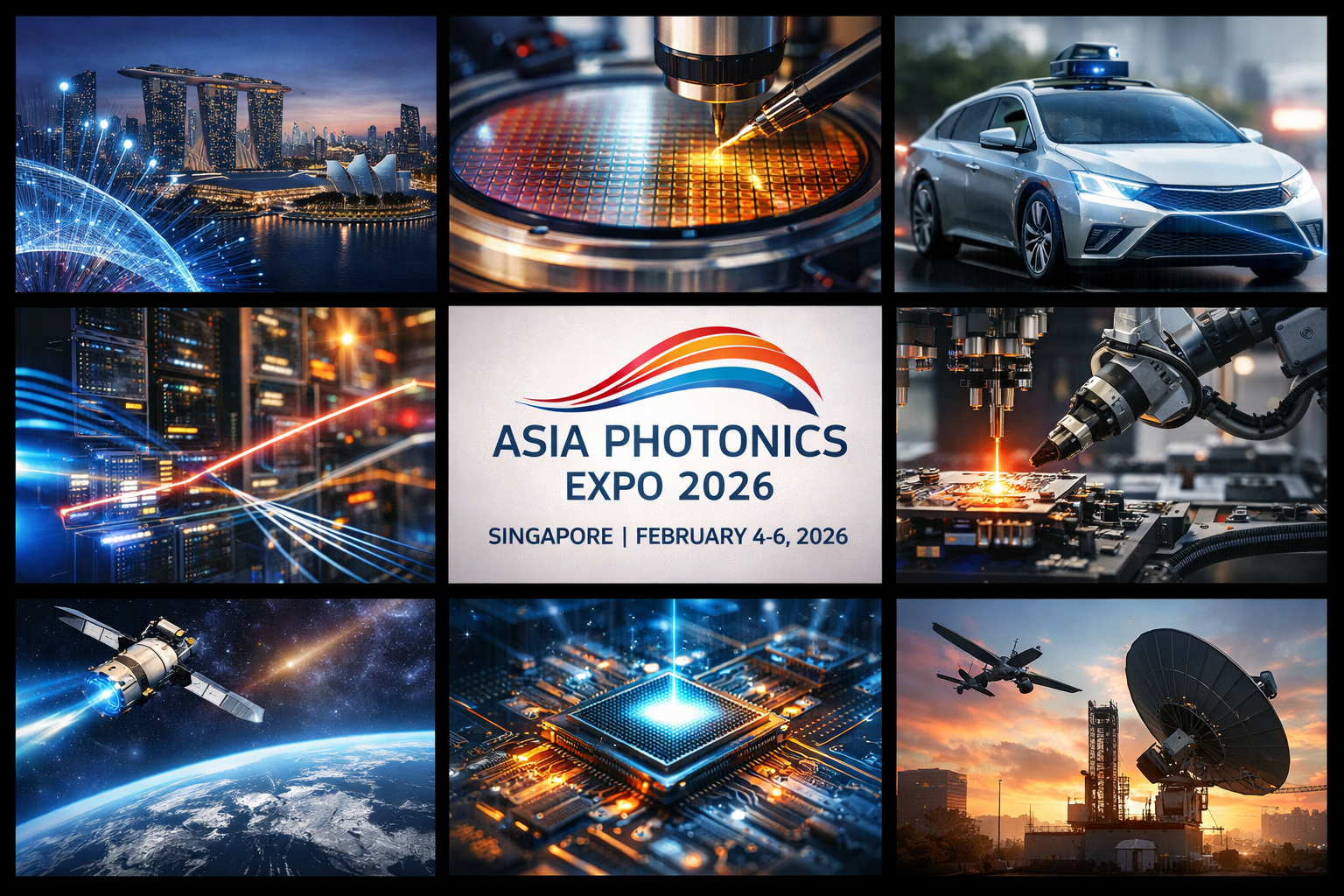
What appeared to be a conventional industry expo in Singapore revealed something far more consequential: a region aligning industry, capital and state power around photonics — the physical backbone of artificial intelligence, data infrastructure and future economic competitiveness in the emerging global order.
The quiet transition of Niranth Amogh from Huawei to Nokia may appear, at first glance, as an individual career decision within the global telecom industry. In reality, it signals a deeper geopolitical realignment taking shape inside the architecture of 6G. As standards become instruments of power rather than technical coordination, the Asia-Pacific region has emerged as the decisive battleground where influence is exercised not through markets or mandates, but through the control of protocols, procedures and technical language.

In 2026, Asia’s telecommunications landscape has shifted dramatically. The conversation is no longer about who can deploy the most 5G towers, but about who controls the “brains” of the network. Autonomous AI-driven systems, massive data flows and the need for sovereign infrastructure have redefined the competitive arena. Governments and operators are not merely investing in connectivity; they are investing in control, resilience and intelligence at the edge.

At sunrise, the fields are quiet. In the countryside outside Chengdu, a thin layer of mist still clings to the soil. A farmer kneels beside the rice paddies, rubbing the earth between his fingers. He does this every morning, as his father did and his grandfather before him. The soil tells him things no screen ever could — how much water it holds, how tired it feels, how ready it is.
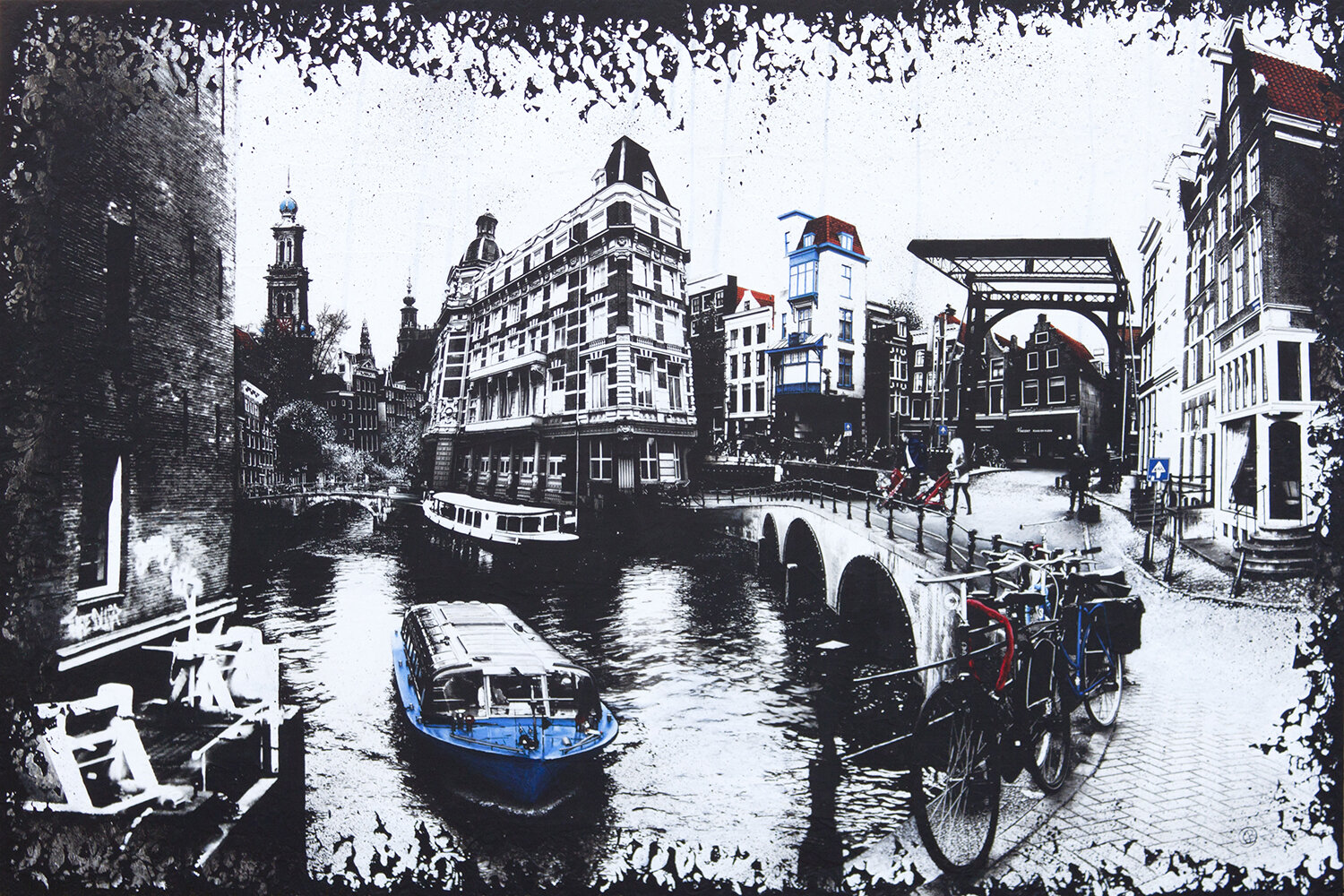
Altair Media usually examines Europe through its systems: universities, research institutes, industrial policy, regulation and emerging technologies. Culture tends to appear only at the margins, often treated as commentary rather than infrastructure. Yet Europe’s cultural institutions — art academies, ateliers, museums and individual artistic practices — have long functioned as slow but essential systems of reflection, shaping how societies understand change before it becomes measurable.
